Introduction
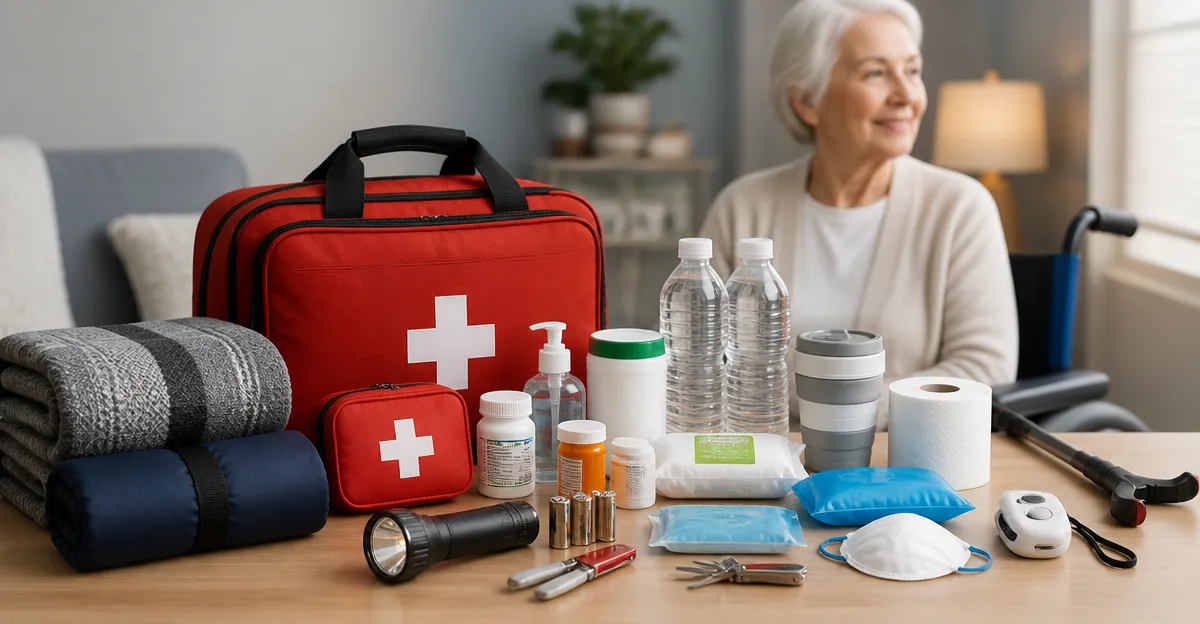
As people age, the ability to respond quickly to unexpected injuries can become more challenging, especially for seniors who experience limited mobility. Preparing a well‑thought‑out emergency kit empowers older adults to maintain independence while reducing reliance on external assistance during a crisis. The items selected for this checklist address common hazards such as cuts, burns, falls, and environmental exposure, and they are chosen for ease of use, clear labeling, and lightweight design. By incorporating these essential supplies, families and caregivers can provide a safety net that promotes confidence and peace of mind.
Emergency preparedness is not solely about having a collection of supplies; it also involves selecting tools that are simple to access, understand, and replenish. Seniors often benefit from compartmentalized designs, reflective markings for low‑light situations, and durable materials that withstand accidental drops. The products highlighted below have been evaluated based on these criteria, as well as on user feedback and professional standards. This article presents a practical, twelve‑point checklist that balances comprehensive coverage with the specific needs of older adults.
12 Essential Items for a Senior‑Friendly Emergency Kit
-
1. Comprehensive First‑Aid Kit with Organized Compartments
A well‑organized kit reduces the time required to locate bandages, antiseptics, or splints during an emergency. The GEVOKE Professional 500 Piece First Aid Kit offers a large capacity of 500 pieces, labeled compartments, and a durable 1680D polyester exterior that resists tears and water. Its MOLLE system enables attachment to backpacks, vehicle seats, or a wheelchair, while reflective strips improve visibility in dim conditions. The double‑zippered design also allows the kit to be refilled easily, ensuring that supplies remain up‑to‑date without replacing the entire container.
-
2. Compact Backup Kit for Daily Carry
While a large kit is valuable at home, a smaller version can be carried in a purse, glove box, or on a walker for immediate access. The Swiss Safe 2‑in‑1 First Aid Kit includes a bonus mini‑kit containing 32 essential items, such as adhesive strips, gauze pads, and antiseptic wipes. Priced at $35.99 and boasting a 4.7‑star rating from over twenty‑one thousand reviews, this kit demonstrates reliable performance in real‑world scenarios. Its hard‑case construction protects supplies from impact, and the dual‑access front and back openings allow rapid retrieval without having to remove the entire case.
-
3. Waterproof Emergency Blanket
Hypothermia is a serious risk for seniors who may become immobilized outdoors or experience a power outage at home. The emergency blanket included in the YIDERBO Car First Aid Kit is made of reflective material that retains body heat while shielding against rain, snow, and wind. Its lightweight, foldable design allows it to be stored in a vehicle trunk or a bedside drawer without adding bulk. When deployed, the blanket can reduce the risk of shock by maintaining a stable core temperature.
-
4. Instant Cold Pack for Swelling and Bruising
Falls are a common cause of bruising and swelling among seniors, and immediate cold therapy can limit tissue damage. The YIDERBO kit includes an instant ice pack that activates upon exposure to air, eliminating the need for a freezer. This feature is especially useful for individuals with limited mobility who may not be able to retrieve ice quickly. The pack is sealed in a puncture‑resistant pouch to prevent leaks onto furniture or clothing.
-
5. Burn Dressing and Sterile Gauze Pads
Kitchen accidents and hot water spills can result in minor burns that require prompt treatment to prevent infection. Both the GEVOKE and Swiss Safe kits provide burn dressings and sterile gauze pads that are individually wrapped for hygiene. The burn dressing is designed to cool the wound while protecting it from contaminants, and the gauze pads can be layered to absorb exudate. Clear labeling on the compartments ensures that seniors can identify these items without confusion.
-
6. Scissors and Safety Pins for Quick Adjustments
In an emergency, the ability to cut tape, clothing, or bandages is indispensable. The Swiss Safe kit includes a pair of stainless‑steel scissors with a rounded tip to reduce the risk of accidental cuts. Additionally, safety pins are supplied in all three kits, allowing users to secure bandages or close a torn garment. These tools are stored in dedicated slots that are easy to reach, even for individuals with limited hand strength.
-
7. Antiseptic Wipes and Alcohol Prep Pads
Preventing infection is a primary concern when treating cuts or abrasions. The GEVOKE kit contains antiseptic wipes that are pre‑moistened with a gentle disinfectant, while the Swiss Safe kit offers alcohol prep pads for rapid sterilization. Both products are individually sealed, ensuring that they remain effective over time. Their compact packaging allows seniors to use a single wipe without contaminating the remaining supply.
-
8. Adhesive Bandage Variety Pack
Minor cuts and blisters are frequent among older adults, especially during gardening or walking activities. A variety pack of adhesive bandages in different sizes accommodates wounds on fingers, toes, or larger skin areas. The GEVOKE kit includes an extensive assortment of bandages, and the Swiss Safe kit complements this with waterproof options for use during showers or rainy conditions. The clear labeling of bandage compartments helps users select the appropriate size quickly.
-
9. Elastic Bandage for Sprains
Sprains of the ankle or wrist can occur when seniors navigate uneven terrain or experience a sudden loss of balance. An elastic bandage provides compression and support, reducing swelling and promoting faster recovery. Both the GEVOKE and YIDERBO kits feature a reusable elastic wrap that can be adjusted with a simple Velcro closure, making it accessible for individuals with reduced dexterity.
-
10. Flashlight with Reflective Strips
Power outages or low‑light environments can exacerbate the difficulty of locating medical supplies. The GEVOKE kit incorporates reflective strips on its exterior, and the Swiss Safe hard case includes a built‑in flashlight that activates with a single press. A bright, LED light source illuminates the interior compartments, allowing seniors to find the required item without fumbling in the dark. The flashlight is powered by replaceable AA batteries, which are easy to store within the kit.
-
11. Medication Organizer
Many seniors manage multiple prescriptions, and an accidental missed dose can have serious consequences. While not a traditional first‑aid component, a small, compartmentalized medication organizer fits neatly into the larger kits and helps keep daily pills sorted. The organizer can be placed in the top compartment of the GEVOKE kit or the side pocket of the Swiss Safe case, ensuring that it is always within reach during an emergency.
-
12. Instruction Card with Simple First‑Aid Steps
Clear, step‑by‑step instructions empower seniors to act confidently when help is not immediately available. Each of the three kits includes a printed guide that outlines basic procedures for bleeding control, burn treatment, and fracture stabilization. The cards use large fonts and pictograms to accommodate visual impairments. By keeping the guide in a visible pocket, seniors can reference it without having to search through the entire kit.
Comparison Table
| Feature | GEVOKE Professional 500 Piece Kit | Swiss Safe 2‑in‑1 Kit | YIDERBO Car First Aid Kit |
|---|---|---|---|
| Number of Items | 500 | 348 + 32‑item Mini Kit | 275 |
| Hard Case | Soft, water‑resistant polyester | Impact‑absorbing hard case | EVA water‑resistant bag |
| Reflective Markings | Yes | No | No |
| Dual Access Design | No | Front and back opening | No |
| Price (USD) | Not listed | $35.99 | Not listed |
| Average Rating | Not listed | 4.7/5 (21,138 reviews) | Not listed |
Conclusion
Preparing a senior‑friendly emergency kit requires careful consideration of accessibility, durability, and comprehensive coverage of common injuries. The twelve items outlined above address the most frequent hazards faced by older adults while offering solutions that are easy to locate, use, and restock. By selecting a primary kit such as the GEVOKE Professional 500 Piece First Aid Kit and supplementing it with a compact backup like the Swiss Safe 2‑in‑1 First Aid Kit, seniors can achieve a balance between thorough preparedness and manageable size. Regularly reviewing and replenishing supplies ensures that the kit remains effective over time, providing lasting peace of mind for both seniors and their caregivers.
Products Mentioned in This Article
Frequently Asked Questions
What are the 12 must‑have items for a senior emergency kit?
The list includes a lightweight first‑aid kit, pre‑filled medication organizer, high‑visibility blanket, easy‑open water bottles, grab‑bars, a whistle, flashlight with reflective markings, extra socks, a multi‑tool, a copy of medical info, a phone charger, and a portable seat.
How can a senior with limited mobility keep emergency supplies accessible?
Use compartmentalized pouches with large labels, place the kit at waist‑height, and attach reflective Velcro strips for quick location in low light.
Why are reflective markings important in a senior emergency kit?
Reflective markings help seniors and rescuers locate the kit in dark or smoky conditions, reducing panic and response time.
What features should a senior‑friendly first‑aid kit have?
It should have pre‑opened gauze, easy‑tear packaging, clear pictograms, and lightweight, durable containers that can be opened with one hand.
How often should a senior’s emergency kit be checked and replenished?
Inspect the kit every three months, replace expired medications, restock used items, and verify that batteries and chargers are functional.