Introduction
This guide explains how bathroom color‑contrast strips can improve safety for seniors with low vision. Readers will discover the underlying visual challenges, learn how to select appropriate strips, and receive step‑by‑step installation instructions. The article also recommends complementary accessories that enhance readability in the bathroom environment. By the end of the guide, one will be equipped to create a more accessible bathroom that reduces falls and supports independent living.
Background and Context
Low vision describes a permanent reduction in visual acuity that cannot be fully corrected with glasses. Common causes include macular degeneration, glaucoma, and diabetic retinopathy. In a bathroom, reduced contrast between fixtures, tiles, and walls can make edges indistinguishable, increasing the risk of slips and trips.
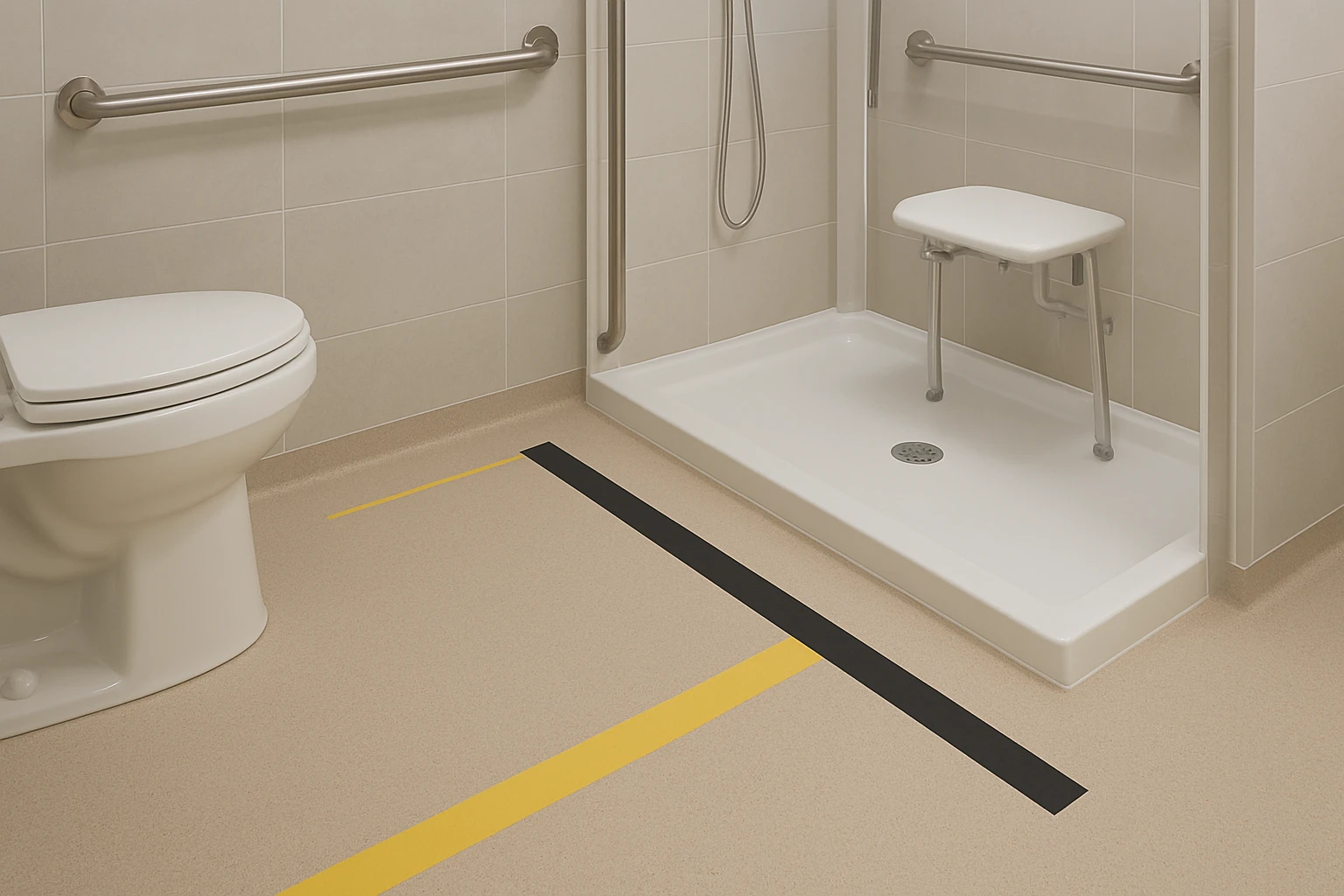
Color‑contrast strips are thin, colored overlays that create a visual boundary between a surface and its surrounding area. By selecting high‑contrast hues—such as bright yellow on white porcelain—one can draw attention to bathtub edges, toilet rims, and grab‑bar locations. The principle relies on the human eye’s ability to detect differences in luminance and hue, even when fine detail is lost.
In addition to visual aids, tactile cues and adequate lighting are essential components of a senior‑friendly bathroom. Combining these elements yields a layered safety system that accommodates a range of visual impairments.
Key Concepts and Strategies
When planning bathroom modifications, consider the following concepts:
- Contrast Ratio: Aim for a contrast ratio of at least 70 % between the strip and the underlying surface. Bright, saturated colors provide the greatest contrast.
- Placement: Install strips on high‑risk zones such as bathtub edges, shower thresholds, toilet seats, and grab‑bar bases.
- Durability: Choose moisture‑resistant, non‑slip materials that can withstand frequent cleaning.
- Complementary Tools: Use reading aids to label medication bottles or shampoo containers.
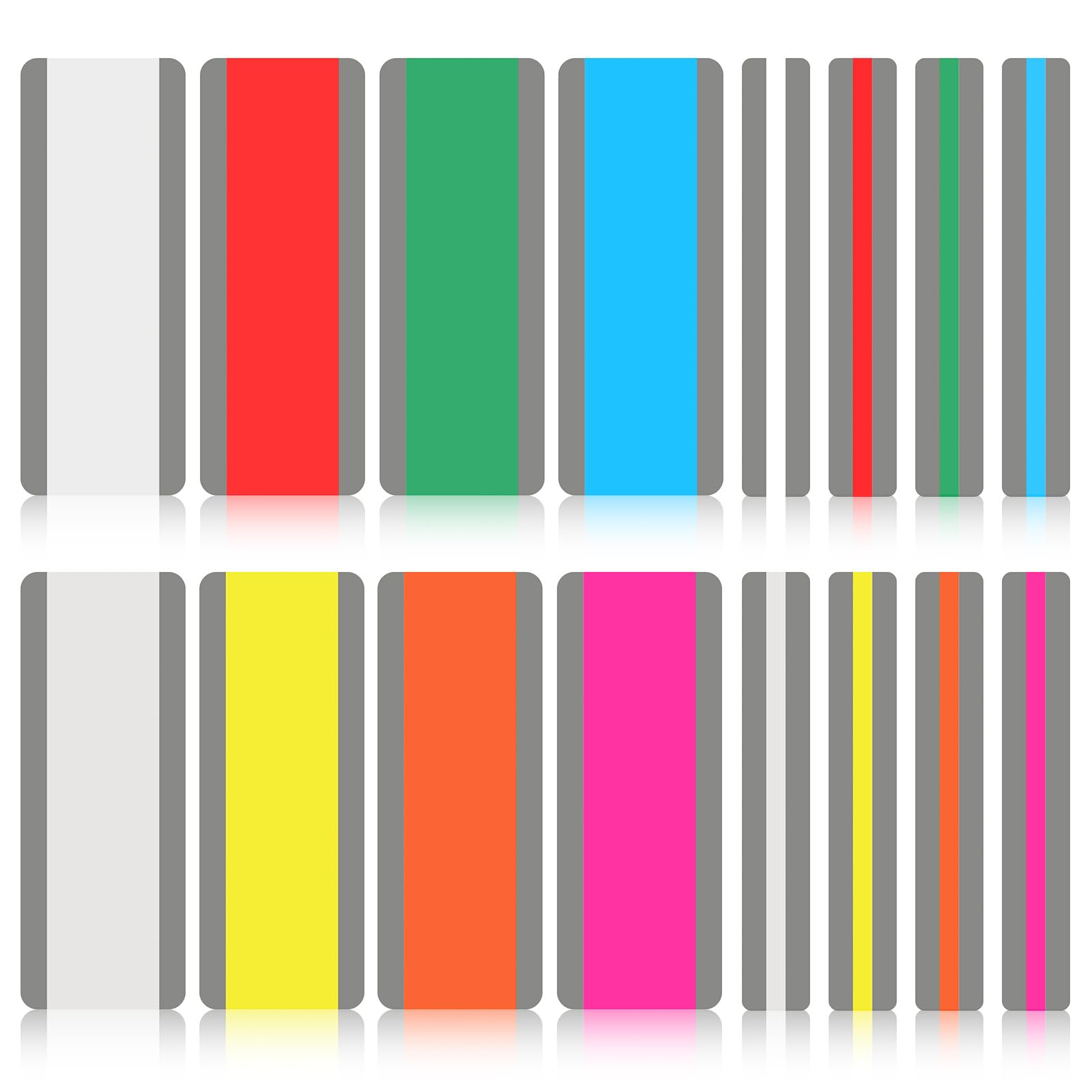
For labeling, the CNDNO Guided Reading Strips provide colored overlays that can be applied to printed labels, making them easier to read for seniors with dyslexia or low vision. The strips are made of high‑quality PVC, are moisture‑resistant, and come in two sizes, allowing both single‑line and multi‑line highlighting.
When additional magnification is required, the GABORISH LED Magnifying Glass offers 10×, 20×, and 45× magnification with 37 adjustable LED lights. Its rechargeable design ensures reliable use without the need for disposable batteries, making it ideal for reading medication instructions in low‑light bathroom settings.
Product Recommendations
Below are two accessories that complement bathroom color‑contrast strips:
- CNDNO Guided Reading Strips (16‑Pack)
- Price: $6.99
- Rating: 4.5/5.0 (79 reviews)
- Features: Two size options, vibrant colors, PVC material, moisture‑resistant, non‑toxic.
- Use case: Apply to medication labels, soap dispensers, or instructional signs to increase readability.
- GABORISH LED Magnifying Glass
- Price: $21.24
- Rating: Not listed (product description emphasizes quality)
- Features: 5.2‑inch crystal‑clear lens, 37 LEDs, three magnification levels, 1000 mAh rechargeable battery.
- Use case: Examine small print on cleaning product labels or read instructions on shower controls.
How to Choose the Right Color‑Contrast Strips
Follow this decision‑making framework to select the most suitable strips for a specific bathroom:
| Criteria | Consideration | Recommended Action |
|---|---|---|
| Surface Material | Tile, porcelain, acrylic, or metal. | Choose strips with adhesive backing rated for the material’s porosity. |
| Moisture Exposure | Areas near showers or sinks. | Select waterproof PVC strips that will not peel when wet. |
| Color Preference | High‑contrast colors such as yellow, orange, or neon green. | Test a sample strip against the surface under bathroom lighting. |
| Width Required | Edge highlighting vs. full‑width coverage. | Use the larger 19 × 7 cm strips for bathtub edges; smaller 19 × 3.2 cm strips for toilet rims. |
By evaluating each criterion, one can avoid common pitfalls such as selecting a color that blends with grout or using a material that degrades with cleaning agents.
Installation Guide
Installation can be completed in under an hour with basic tools. Follow these numbered steps:
- Clean the target surface with a mild, non‑abrasive cleaner and dry thoroughly.
- Measure the area and cut the strip to the desired length using scissors.
- Peel off the protective film on the adhesive side; this enhances transparency and adhesion.
- Apply the strip firmly, starting at one end and smoothing out air bubbles with a soft cloth.
- Press the strip for at least 30 seconds to ensure a secure bond.
- Repeat for all high‑risk zones, ensuring consistent color usage for visual continuity.
For surfaces that experience frequent water exposure, consider using a clear sealant over the strip to prolong adhesion. The sealant should be compatible with PVC and safe for skin contact.
Comparison/Selection Guide
The table below contrasts the two featured accessories, highlighting how each supports bathroom safety:
| Feature | CNDNO Guided Reading Strips | GABORISH LED Magnifying Glass |
|---|---|---|
| Primary Function | Color overlay for label readability | Magnification with illumination |
| Material | PVC, moisture‑resistant | Shatter‑proof optical glass |
| Size Options | 19 × 3.2 cm and 19 × 7 cm | 5.2‑inch lens, 10×/20×/45× |
| Power Source | None (passive) | Rechargeable 1000 mAh battery |
| Price | $6.99 | $21.24 |
| Rating | 4.5/5 (79 reviews) | Not listed |
When the primary need is to make printed information legible, the guided reading strips are the most cost‑effective solution. When detailed inspection of small print or texture is required, the LED magnifying glass provides superior magnification and illumination.
Best Practices & Tips
- Combine high‑contrast strips with tactile grab bars for multimodal safety.
- Periodically check adhesive integrity; replace strips that show peeling.
- Use the LED magnifying glass to verify that strip placement aligns with the intended edge.
- Maintain consistent lighting by installing LED vanity lights that complement the magnifier’s brightness levels.
- Label all bathroom products with the guided reading strips, ensuring that medication bottles, cleaning supplies, and emergency contacts are easily readable.
Frequently Asked Questions
- Can color‑contrast strips be used on painted walls?
- Yes, provided the paint is fully cured and the surface is smooth. Test a small area first to ensure the adhesive does not damage the finish.
- How often should the strips be replaced?
- Replacement is recommended every 12‑18 months, or sooner if the adhesive begins to lift or the colors fade due to cleaning chemicals.
- Are the guided reading strips safe for children?
- They are made of non‑toxic PVC and are moisture‑resistant, making them safe for household use, including by children.
- Does the LED magnifying glass require special batteries?
- No, it includes a USB‑C rechargeable battery that provides up to five hours of maximum brightness after a two‑hour charge.
- What is the optimal brightness level for bathroom use?
- Medium brightness typically offers sufficient illumination without causing glare. Adjust the LEDs to the level that provides clear visibility of labels without overwhelming the eyes.
Conclusion
Implementing bathroom color‑contrast strips significantly reduces the risk of accidents for seniors with low vision. By understanding contrast ratios, selecting durable, moisture‑resistant materials, and complementing them with reading aids such as the CNDNO Guided Reading Strips and the GABORISH LED Magnifying Glass, one creates an environment that supports independence and safety.
Regular maintenance, combined with proper lighting and tactile cues, ensures that the safety system remains effective over time. The strategies outlined in this guide empower caregivers and seniors alike to make informed decisions that enhance daily living.
Products Featured in This Guide

CNDNO Guided Reading Strips
Price: $6.99 | Rating: 4.5/5 (79 reviews)
Featured because the strips provide high‑contrast color overlays that improve label readability, a crucial complement to bathroom contrast strips.

GABORISH LED Magnifying Glass
Price: $21.24
Featured because its magnification and illumination capabilities aid seniors in reading small print on bathroom products, enhancing overall safety when used alongside color‑contrast strips.
