Introduction
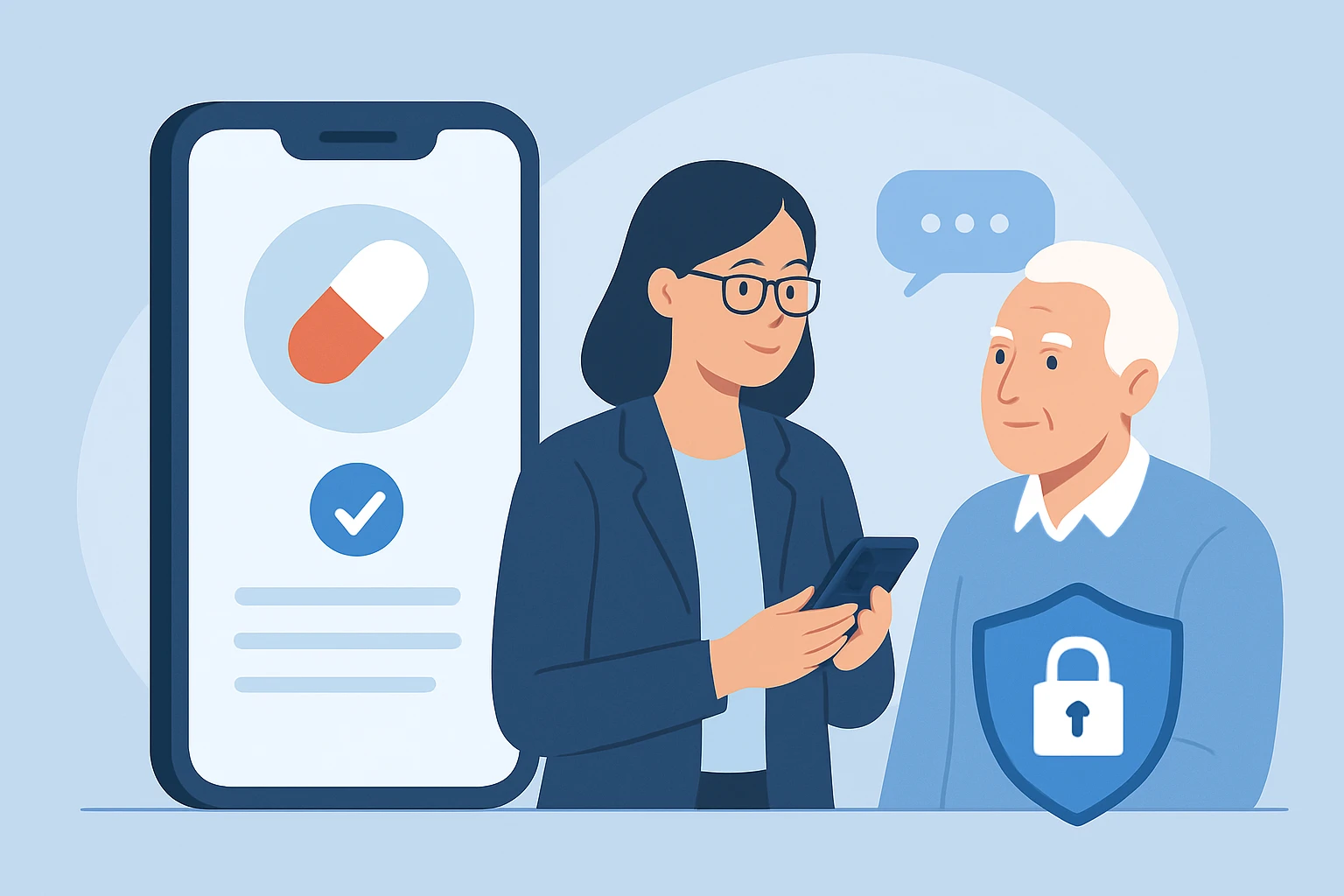
Medication adherence remains a critical component of chronic disease management, and technology now offers powerful solutions. This guide explores the most reliable medication reminder apps that share data with caregivers, while also reviewing complementary physical devices. Readers will learn essential terminology, privacy safeguards, and a systematic method for selecting the ideal tool. By the end of the article, one will possess a clear roadmap for improving adherence and fostering collaborative care.
Background and Context
Adherence rates for prescribed regimens fall below fifty percent in many populations, leading to preventable hospitalizations and increased costs. Digital reminders address forgetfulness, complex dosing schedules, and the need for real‑time monitoring by family members or health professionals. The evolution from simple alarm clocks to cloud‑based platforms has introduced features such as dosage tracking, analytics, and secure data exchange. Understanding these capabilities is essential before evaluating specific products.
Understanding Medication Reminder Apps
Modern reminder apps combine three core functions: scheduling, notification, and data sharing. Scheduling allows users to input multiple medications with varying frequencies, while notifications can be visual, auditory, or haptic. Data sharing transmits adherence logs to designated caregivers through encrypted channels, enabling timely interventions. The following categories illustrate how apps differ.
- Basic Alarm Apps: Provide simple alerts without logging or sharing capabilities.
- Smart Tracking Apps: Record each dose, generate compliance reports, and allow caregiver access.
- Integrated Ecosystem Apps: Sync with wearable devices, electronic pill dispensers, and electronic health records.
For users who prefer a tangible record, the Medication Log Book offers a printable, 52‑week planner that complements digital solutions. Its high rating of 4.5 stars from 85 reviews reflects satisfaction among individuals managing multiple prescriptions.
Data Sharing with Caregivers
Effective caregiver collaboration depends on reliable, real‑time data transmission. Most reputable apps employ end‑to‑end encryption and comply with HIPAA or GDPR standards. Caregivers receive daily summaries, missed‑dose alerts, and trend charts that highlight adherence patterns. When selecting an app, verify that it supports multiple caregiver accounts and customizable notification thresholds.
Physical devices such as the TabTime Pill Reminder can augment app data by providing eight independent alarms that sync with companion software. Although some users report initial setup challenges, the device’s 4‑star rating from 2,876 reviews indicates overall reliability.
Privacy and Security Considerations
Privacy concerns arise whenever health data traverses the internet. Users should prioritize apps that disclose clear privacy policies, limit data retention, and avoid selling information to third parties. Look for features such as biometric login, two‑factor authentication, and the ability to revoke caregiver access at any time.
The Betife Automatic Pill Dispenser exemplifies a device that integrates secure Bluetooth communication with an app that stores logs locally on the phone before optional cloud backup. Its 4.8‑star rating from nine reviews underscores both performance and user confidence in data handling.
Integrating Physical Reminder Tools
While apps excel at data analytics, physical reminder tools address tactile preferences and accessibility needs. The Daviky Smart Pill Organizer combines a weekly compartment layout with Bluetooth alerts, making it suitable for seniors who value visual cues. Despite a mixed review about app synchronization, its 4.1‑star rating from 279 reviewers reflects overall usefulness.
For families seeking a comprehensive monthly solution, the Medcenter Monthly Pill System pairs a 31‑day organizer with a talking alarm clock, delivering audible reminders and a clear date‑based system. Its 4.5‑star rating from 2,056 reviews highlights durability and ease of use.
Comparison and Selection Guide
Choosing the right combination of app and device requires matching features to user needs. The table below summarizes key attributes of the five products discussed.
| Product | Primary Function | Alarms | Digital Integration | Price | Rating |
|---|---|---|---|---|---|
| Medication Log Book | Paper planner for manual tracking | None (paper based) | Can be paired with any app for backup | $12.00 | 4.5/5 |
| TabTime Pill Reminder | Portable electronic alarm | 8 independent alarms | Companion app for schedule sync | $18.99 | 4/5 |
| Betife Automatic Pill Dispenser | 28‑day smart dispenser | 6 alarms + light | Bluetooth app with logs | $129.98 | 4.8/5 |
| Daviky Smart Pill Organizer | Weekly Bluetooth organizer | Multiple reminders via app | App sync for caregiver view | $25.98 | 4.1/5 |
| Medcenter Monthly Pill System | 31‑day plastic organizer with talking clock | Audible voice alerts | Standalone; optional manual logging | $94.95 | 4.5/5 |
When prioritizing data sharing, the Betife dispenser and Daviky organizer provide the most seamless caregiver access. For users on a limited budget, the Medication Log Book combined with a free smartphone app offers a cost‑effective hybrid solution. Those who require audible reminders for hearing‑impaired individuals may prefer the Medcenter system.
Best Practices & Tips
- Start with a comprehensive medication list, including dosage, timing, and special instructions.
- Choose an app that supports multiple caregiver accounts and offers customizable alert thresholds.
- Pair digital tools with a physical reminder (e.g., a paper log or weekly organizer) to create redundancy.
- Regularly review adherence reports with health professionals to adjust therapy as needed.
- Secure the device with a PIN, biometric lock, or fingerprint sensor to prevent accidental overdosing.
Implementing these practices reduces the risk of missed doses and enhances communication between patients, families, and clinicians. Consistency in logging and reviewing data is more important than the sophistication of any single device.
Frequently Asked Questions
- 1. Do medication reminder apps require an internet connection?
- Most apps function offline for alarm scheduling, but data synchronization with caregivers typically requires Wi‑Fi or cellular access.
- 2. Can I share adherence data with multiple caregivers?
- Yes, reputable platforms allow the user to invite several caregivers, each with independent login credentials.
- 3. Are these devices compatible with Apple Health and Google Fit?
- Many smart dispensers, such as the Betife model, offer integration with major health ecosystems; verify compatibility before purchase.
- 4. How is personal health information protected?
- Look for end‑to‑end encryption, HIPAA compliance statements, and the ability to delete data on demand.
- 5. What should I do if a device’s app crashes frequently?
- Check for firmware updates, reinstall the app, and contact the manufacturer’s support team; consider a backup paper log during troubleshooting.
Conclusion
Medication reminder technology has matured to the point where reliable data sharing with caregivers is standard rather than exceptional. By evaluating privacy safeguards, integration capabilities, and user feedback, one can select a solution that aligns with personal habits and clinical requirements. Whether the preference is a low‑cost paper planner, a pocket‑sized alarm, or a sophisticated Bluetooth dispenser, the tools described in this guide empower users to achieve higher adherence and better health outcomes.
Products Featured in This Guide
Medication Log Book
Price: $12.00 | Rating: 4.5/5 (85 reviews)
Featured because it provides a low‑cost, printable solution for users who appreciate a tangible record alongside digital apps.
TabTime Pill Reminder
Price: $18.99 | Rating: 4/5 (2,876 reviews)
Featured for its eight independent alarms and affordable price, making it suitable for users with multiple daily doses.
Betife Automatic Pill Dispenser
Price: $129.98 | Rating: 4.8/5 (9 reviews)
Featured for its comprehensive Bluetooth integration, secure fingerprint lock, and robust adherence logging.
Daviky Smart Pill Organizer
Price: $25.98 | Rating: 4.1/5 (279 reviews)
Featured because it blends a weekly compartment design with Bluetooth alerts, catering to seniors who need visual and audible cues.
Medcenter Monthly Pill System
Price: $94.95 | Rating: 4.5/5 (2,056 reviews)
Featured for its 31‑day organizer paired with a talking alarm clock, offering an all‑in‑one solution for families caring for elderly relatives.