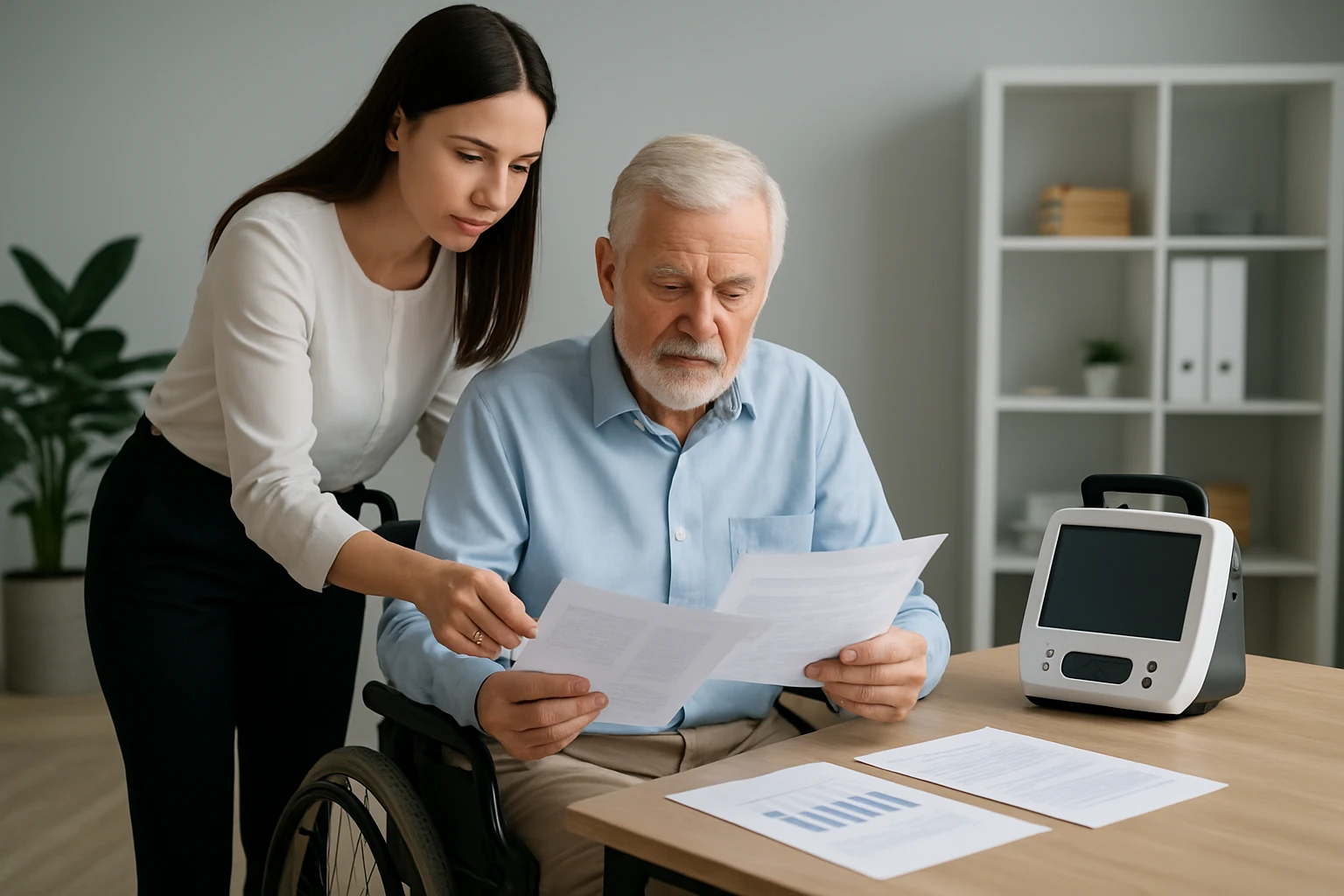
The Complete Guide to Financial Assistance & Grants for Senior Assistive Devices
Introduction
Access to assistive devices can dramatically improve the quality of life for seniors, yet the cost often presents a significant barrier. This guide explains the landscape of financial assistance, outlines practical strategies for securing grants, and highlights two highly rated products that exemplify value and safety. Readers will learn how to navigate federal and state programs, leverage insurance benefits, and make informed purchasing decisions. By the end of the guide, one will possess a clear roadmap for funding mobility aids, positioning pads, and related equipment.
Background and Context
Assistive technology for seniors encompasses a broad range of items, from simple grab bars to complex lift systems. The aging population in the United States is projected to reach 73 million by 2030, increasing demand for affordable solutions. Many seniors qualify for programs such as Medicare Part B, Medicaid, and Veterans Affairs benefits, each with distinct eligibility criteria. Understanding these programs is essential because they often cover a portion of the device cost, reducing out‑of‑pocket expenses.
In addition to government programs, private insurers may reimburse certain medically necessary devices when a physician provides a prescription. Non‑profit organizations and charitable foundations also award grants for home‑care equipment, especially for low‑income households. Finally, flexible spending accounts (FSA) and health savings accounts (HSA) allow tax‑free purchases of eligible items, further stretching limited budgets.
Key Concepts and Funding Strategies
Before pursuing any source of assistance, one should complete a thorough needs assessment. This assessment should document the senior’s mobility limitations, medical diagnoses, and the specific functions required from a device. A physician’s letter of medical necessity often strengthens grant applications and insurance claims.
Below are the primary categories of financial assistance:
- Medicare and Medicaid: Medicare may cover durable medical equipment (DME) such as patient lifts when ordered by a doctor. Medicaid programs vary by state but frequently cover home‑care aids for eligible beneficiaries.
- Veterans Affairs (VA):** Veterans may receive DME through the VA health system, often with no copayment.
- State and Local Grants: Many states operate assistive technology loan programs or grant funds administered by aging services agencies.
- Non‑Profit Foundations: Organizations such as the United Way, the National Association of Area Agencies on Aging, and disease‑specific charities provide device grants.
- Tax‑Advantaged Accounts: FSA and HSA funds can be used to purchase eligible devices, providing a tax benefit.
Each source has unique application steps, documentation requirements, and processing times. Successful applicants typically submit the physician’s letter, a detailed quote, and proof of income or residency where applicable.
Recommended Products That Add Value
When a senior qualifies for assistance, selecting a reliable device ensures that the investment yields long‑term benefits. The following products have received high user ratings and incorporate safety features that align with medical guidelines.
Vive Mobility Sit to Stand Patient Lift
The Vive Mobility Sit to Stand Patient Lift is designed for individuals who can support 60‑70% of their body weight and need assistance transitioning between surfaces. Key specifications include a maximum load capacity of 400 lbs, a 26‑inch base that fits most doorways, and dual locking brakes for stability. The lift features cushioned handrails, shin rests, and a split seat pad that reduce fatigue during transfers. With a 4.5‑star rating from 474 reviews, users praise its sturdiness, ease of assembly, and the confidence it provides caregivers.
ZHEEYI Positioning Bed Pad with Handles
The ZHEEYI Positioning Bed Pad offers a versatile solution for turning, repositioning, and lifting bedridden patients. Constructed from 100 % nylon, the pad is both breathable and waterproof, protecting sheets from spills. It includes eight reinforced handles that facilitate safe transfers, and the double‑sided design allows use on either side. With a 4.6‑star rating from 4,531 reviews, customers highlight its durability, machine‑washability, and the added confidence it provides during daily caregiving tasks.
Comparison and Selection Guide
Selecting the right assistive device depends on the senior’s functional abilities, living environment, and budget constraints. The table below contrasts the two featured products across critical dimensions.
| Feature | Vive Mobility Sit to Stand Patient Lift | ZHEEYI Positioning Bed Pad |
|---|---|---|
| Primary Use | Standing assistance and transfer between bed, chair, toilet, and sofa | Bed turning, repositioning, and lifting |
| Weight Capacity | Up to 400 lbs | Supports typical adult weight; reinforced handles aid lifting |
| Portability | Four swivel casters for easy movement across flooring | Lightweight nylon sheet; folds for storage |
| Safety Features | Dual locking brakes, side‑strap hooks, 2‑year guarantee | Waterproof fabric, reinforced handles, machine‑washable |
| Price | $299.99 | $32.98 |
| Average Rating | 4.5/5 (474 reviews) | 4.6/5 (4,531 reviews) |
For seniors who require assistance standing and moving between rooms, the Vive lift offers robust support and safety mechanisms. Conversely, the ZHEEYI pad excels in bedside care, enabling caregivers to reposition patients without strain. Consider the home layout, frequency of use, and caregiver capabilities when making a decision.
Best Practices & Tips for Securing Funding
- Document Medical Necessity: Obtain a detailed physician’s letter that outlines the specific device required and its impact on health outcomes.
- Gather Multiple Quotes: Request quotes from at least two reputable vendors; this demonstrates cost‑effectiveness to grant reviewers.
- Leverage Tax‑Advantaged Accounts: If an FSA or HSA is available, allocate funds before the end of the plan year to maximize tax savings.
- Apply Early: Government grant cycles often have strict deadlines; submit applications well before the cut‑off date.
- Maintain Records: Keep receipts, shipping confirmations, and warranty documents; they may be required for reimbursement.
- Explore Community Resources: Local Area Agency on Aging offices frequently host workshops on financing assistive technology.
- Consider Rental Options: Some agencies offer short‑term rentals of lifts and pads, which can be a cost‑effective trial before purchase.
Frequently Asked Questions
1. Does Medicare cover patient lifts?
Medicare Part B may cover a patient lift if it is deemed medically necessary and prescribed by a physician. The device must be purchased from a Medicare‑approved supplier, and the beneficiary is typically responsible for a 20 % coinsurance.
2. Can I use my HSA to buy a positioning bed pad?
Yes, the ZHEEYI Positioning Bed Pad qualifies as a qualified medical expense under IRS guidelines, allowing purchase with HSA or FSA funds without tax implications.
3. What is the difference between a lift and a transfer board?
A lift provides mechanical assistance to raise a patient to a standing position, while a transfer board is a rigid platform that slides beneath the patient to facilitate movement between surfaces. Lifts are generally recommended for individuals who can bear some weight, whereas transfer boards are used for those with limited weight‑bearing ability.
4. How long does it take to receive Medicaid assistance for DME?
Processing times vary by state but typically range from two to six weeks after submission of all required documentation, including the physician’s order and a vendor quote.
5. Are there any grants specifically for low‑income seniors?
Many state aging agencies administer the Assistive Technology Loan Program, which provides low‑interest loans or outright grants to seniors meeting income thresholds. National organizations such as the United Way also run annual grant cycles targeting low‑income households.
6. What warranty should I expect on a patient lift?
Reputable manufacturers, including Vive Mobility, offer at least a two‑year warranty covering parts and labor, ensuring long‑term reliability.
7. Can I purchase a device online and still receive insurance reimbursement?
Yes, provided the seller is a recognized medical supplier and the purchase is accompanied by a valid prescription and itemized receipt. Always verify with the insurer before ordering.
Conclusion
Securing financial assistance for senior assistive devices requires diligent planning, clear documentation, and an understanding of the myriad funding sources available. By leveraging Medicare, Medicaid, VA benefits, charitable grants, and tax‑advantaged accounts, seniors can substantially reduce out‑of‑pocket costs. Selecting high‑quality products such as the Vive Mobility Sit to Stand Patient Lift and the ZHEEYI Positioning Bed Pad ensures that the investment delivers safety, durability, and independence. Armed with the strategies outlined in this guide, one can confidently navigate the funding landscape and improve the quality of life for aging loved ones.
Products Featured in This Guide
Vive Mobility Sit to Stand Patient Lift
Price: $299.99 | Rating: 4.5/5 (474 reviews)
Featured for its robust 400 lb capacity, dual locking brakes, and comfort‑focused design that makes standing transfers safe and reliable for seniors and caregivers alike.
ZHEEYI Positioning Bed Pad with Handles
Price: $32.98 | Rating: 4.6/5 (4,531 reviews)
Featured for its patented double‑sided nylon construction, eight reinforced handles, and waterproof, machine‑washable fabric that simplifies bedside repositioning and enhances caregiver safety.