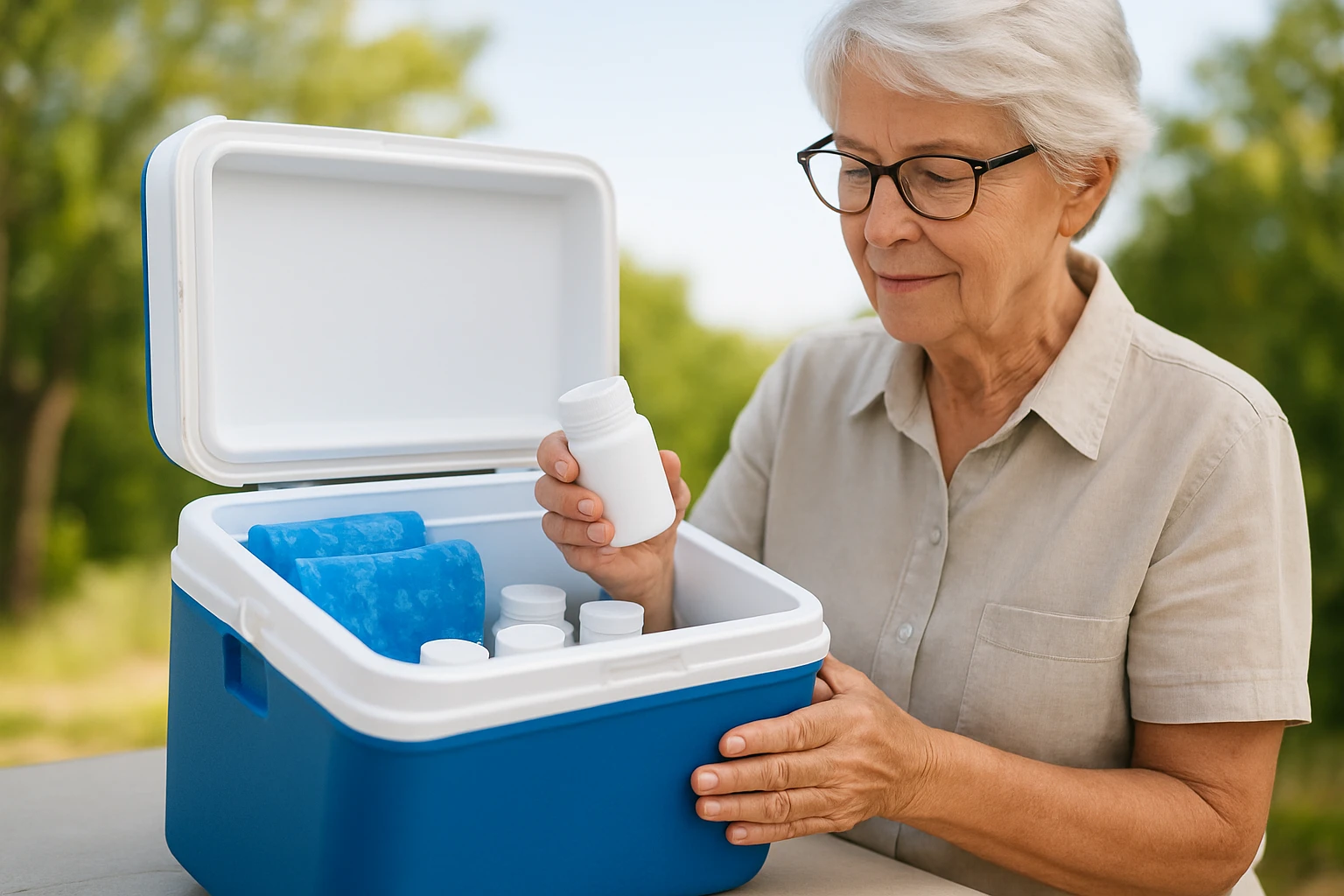

How to Transport Medications Safely in Hot Weather: Essential Tips for Seniors to Keep Medications Cool and Effective
Introduction
Senior readers will discover a systematic approach to preserving the potency of temperature‑sensitive medications during hot weather. The guide explains why heat can degrade drug efficacy and outlines practical steps to avoid costly medication loss. Readers will learn how to select appropriate tools, arrange travel logistics, and respond to unexpected temperature spikes. By following these instructions, seniors can maintain health confidence while travelling or simply moving around the neighbourhood.
What You’ll Need
- A reliable insulated cooler designed for medication, such as the DISONCARE Odyssey Insulin Cooler Case.
- An auxiliary insulated bag for additional supplies, for example the Bodaon Insulated Food Delivery Bag.
- Reusable ice packs or gel bottles that can be frozen for at least six hours.
- A digital thermometer with a touch‑screen display.
- Doctor’s prescription or medical certificate for TSA clearance, if air travel is involved.
- Soft cloth or towel to absorb condensation.
Step 1: Assess Medication Temperature Sensitivity
Begin by identifying which medications require refrigeration. Insulin, certain antibiotics, and biologic therapies typically must remain between 36°F and 46°F (2°C‑8°C). Consult the medication label or pharmacist to confirm the acceptable temperature range. Record the required range on a small card that can be placed inside the cooler; this reminder helps prevent accidental exposure.
Step 2: Choose the Appropriate Cooler Size
Select a cooler that matches the quantity of medication and any accompanying devices such as pens or auto‑injectors. The DISONCARE Odyssey Insulin Cooler Case holds two to three injection pens, making it ideal for short‑term trips of up to fifteen days. Its stainless‑steel inner and outer layers, combined with a double‑vacuum wall, provide up to 48 hours of cooling in 86°F (30°C) ambient temperature when a frozen blue gel bottle is used.
Key specifications include:
- Food‑grade 304 stainless steel construction for durability and hygiene.
- Digital display thermometer with a 20 cm sensor for precise temperature monitoring.
- Compact dimensions that fit comfortably in a carry‑on bag.
Price: $32.29; Rating: 4.4/5 from 3,630 reviews. The high rating reflects reliability for diabetic travelers.
Step 3: Prepare Ice Packs and Freeze Them Properly
Place the supplied blue gel bottle in a freezer for six to eight hours before departure. The gel releases cold gradually, extending cooling time to 48 hours; if a white ice water bottle is used, the duration can increase to 60 hours. Ensure the gel bottle is sealed tightly to avoid leaks that could damage medication containers.
For longer trips, consider packing an additional gel bottle in a secondary insulated compartment, such as the Bodaon Insulated Food Delivery Bag. Although primarily intended for food, its large XXXL capacity (23" × 15" × 14") and waterproof aluminum lining make it an excellent supplemental cooler for extra ice packs.
Price: $19.99; Rating: 4.5/5 from 23,477 reviews. The bag’s lightweight design (0.65 lb) ensures it does not add undue burden.
Step 4: Pack Medications Correctly
Arrange medication containers upright on a soft cloth inside the cooler to prevent rolling and breakage. Place the frozen gel bottle at the bottom, allowing cold air to rise naturally and surround the medication. Close the digital thermometer display and verify that the temperature reads within the safe range before sealing the lid.
If you are travelling by air, keep the cooler and medication in an easily accessible compartment for TSA inspection. Having the doctor’s prescription ready and informing the security officer proactively will reduce delays.
Step 5: Monitor Temperature During the Journey
Check the digital display at least every two hours when traveling in a vehicle, and every four hours on longer flights. The touch‑screen sensor detects temperature at the bottom of the cooler cup, providing the most accurate reading available on the market. If the temperature approaches the upper limit of the safe range, replace the gel bottle with a freshly frozen one from the auxiliary insulated bag.
Step 6: Manage Condensation and Moisture
Condensation may form inside the cooler as the gel bottle thaws. Use a dry towel or absorbent cloth to wipe excess moisture, preventing water from contacting medication vials. The stainless‑steel exterior resists corrosion, but prolonged exposure to water can affect seals on insulin pens.
Step 7: Store the Cooler When Not in Use
When the trip ends, allow the cooler to return to room temperature before cleaning. Wipe the interior with a mild soap solution and dry thoroughly. Store the cooler in a cool, dry place away from direct sunlight to preserve the vacuum insulation for future use.
Tips & Pro Tips
- Label each medication with the date of preparation and expiry to avoid confusion.
- Use a portable power bank to charge the digital thermometer if you anticipate extended power‑outage periods.
- Consider a small solar‑powered fan inside the cooler for extreme heat, but ensure it does not disturb the temperature sensor.
- Carry a backup prescription card in case TSA requests additional documentation.
- For outdoor activities, shade the cooler with a reflective blanket to reduce solar heating.
Troubleshooting
| Problem | Possible Cause | Solution |
|---|---|---|
| Temperature rises above safe range | Gel bottle not fully frozen or opened too early | Replace with a newly frozen gel bottle from the auxiliary bag; ensure cooler remains closed. |
| Condensation drips onto medication | Insufficient absorbent material inside cooler | Place an extra dry cloth at the bottom and wipe regularly. |
| TSA delays | Lack of documentation or inaccessible cooler | Keep prescription and cooler in an outer pocket; inform the officer before the screening. |
Conclusion
By assessing medication sensitivity, selecting the right insulated tools, and monitoring temperature continuously, seniors can safeguard their health in hot weather. The combination of the DISONCARE Odyssey Insulin Cooler Case and the Bodaon Insulated Food Delivery Bag provides a flexible, cost‑effective solution for both short trips and extended journeys. Implementing the steps and tips outlined above will ensure medications remain effective, reducing the risk of health complications caused by temperature‑induced degradation.
Products Mentioned in This Guide
Frequently Asked Questions
Why can heat damage temperature‑sensitive medications?
High temperatures can break down active ingredients, reducing potency and potentially causing harmful side effects.
What type of container is best for keeping meds cool while traveling?
An insulated cooler designed for medication, such as the DISONCARE Odyssey Insulin Cooler Case, provides reliable temperature control.
How long can reusable ice packs keep medications cool?
Frozen gel packs typically maintain a safe temperature for 4‑6 hours, depending on ambient heat and container insulation.
What should seniors do if a medication becomes too warm during a trip?
Stop using the medication, place it in a cooler with fresh ice packs, and contact a pharmacist to verify its safety.
Can a regular insulated food bag be used for medicines?
Yes, an auxiliary insulated bag like the Bodaon Insulated Food Delivery Bag can store extra supplies, but it should be paired with a dedicated medication cooler for best results.
