
How to Create a Renter‑Friendly Bathroom Modifications Checklist for Aging in Place
Introduction
One of the most important considerations for aging in place is a bathroom that supports safety, independence, and comfort. This guide explains how to develop a comprehensive checklist that landlords and renters can use without violating lease agreements. Readers will learn which modifications are truly necessary, how to prioritize them, and which affordable tools can simplify implementation. By following the steps, one can create a bathroom environment that reduces fall risk while remaining fully reversible.
What You Will Need
- Measuring tape and level
- Non‑slip adhesive strips
- Portable step stool or folding stool
- Adjustable shower chair
- Grab‑bar hardware with suction or tension‑mount options
- Basic hand tools (screwdriver, wrench)
- Cleaning supplies for surface preparation
All of the tools listed are readily available at home improvement stores, and the two highlighted products are especially useful for renters who require temporary, secure solutions.
Step 1: Assess the Existing Layout
The first step is to evaluate the current bathroom configuration and identify high‑risk areas. Measure the height of the bathtub rim, the distance between the toilet and any obstacles, and the clearance around the sink. Document these dimensions in a spreadsheet, noting any features that are too low, too narrow, or lack support. This data will guide the selection of appropriate modifications and ensure that each addition fits within the existing space.
During the assessment, one should also record the type of flooring, as some surfaces require specific non‑slip solutions. For example, tile may benefit from adhesive strips, while vinyl flooring works well with suction‑mounted accessories. By creating a clear picture of the bathroom’s dimensions, one can avoid purchasing items that will not fit or that could damage the property.
Step 2: Introduce a Safe Access Point with a Folding Step Stool
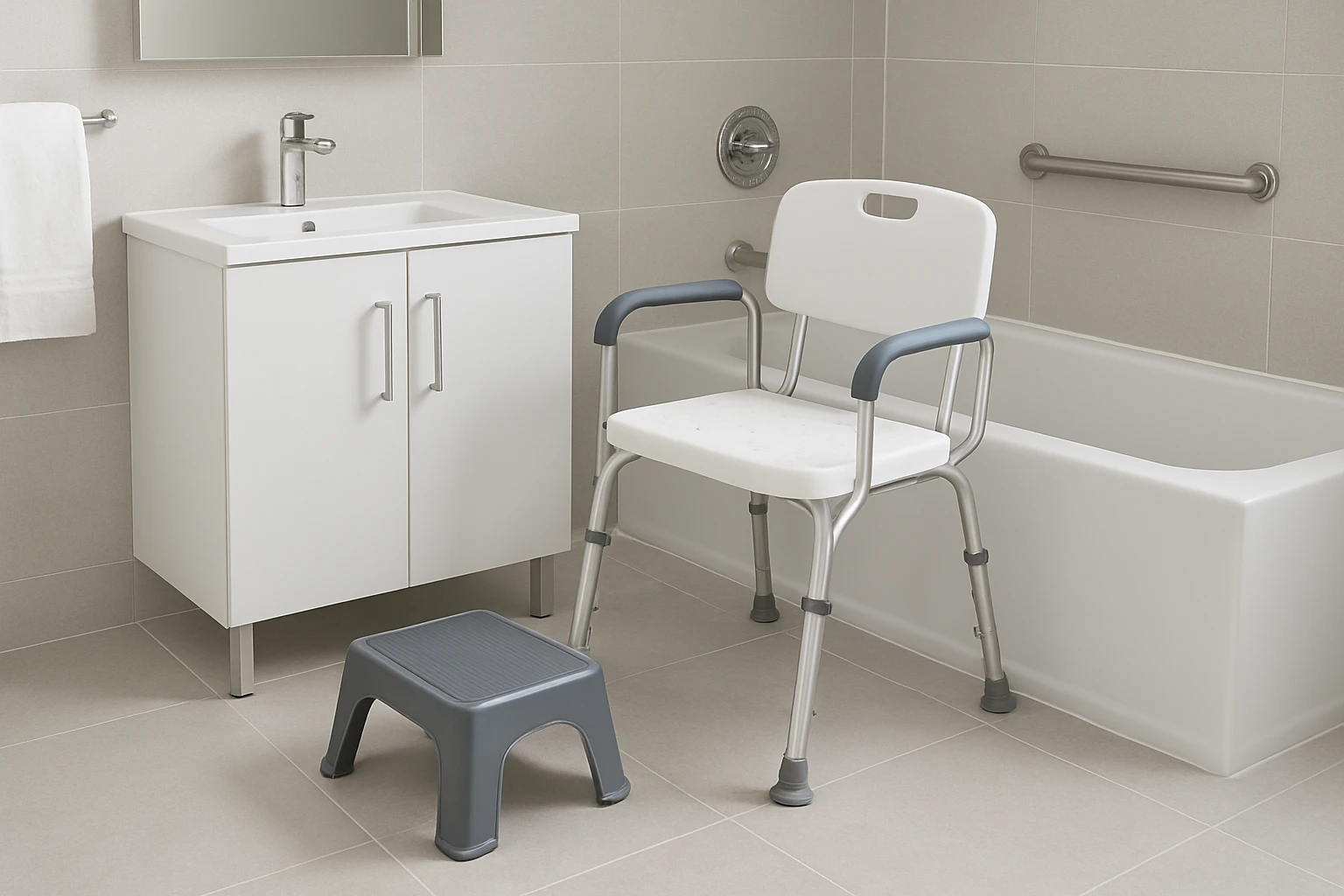
Many renters find that the bathtub rim or high vanity is difficult to reach without assistance. A portable solution is the Delxo Folding Step Stool. This 13‑inch stool supports up to 300 lbs, features a non‑slip textured surface, and folds to a width of only 1.2 inches for easy storage. Its lightweight plastic construction allows it to be moved between rooms without damaging walls or flooring.
Using the stool, a renter can safely step onto the tub edge or reach a higher sink without permanent modifications. The handle provides convenient transport, and the CPC certification assures structural integrity. At a price of $17.99 and a rating of 4.5 out of 5 from over ten thousand reviews, the stool offers excellent value for a reversible safety aid.
Step 3: Provide Stable Seating in the Shower
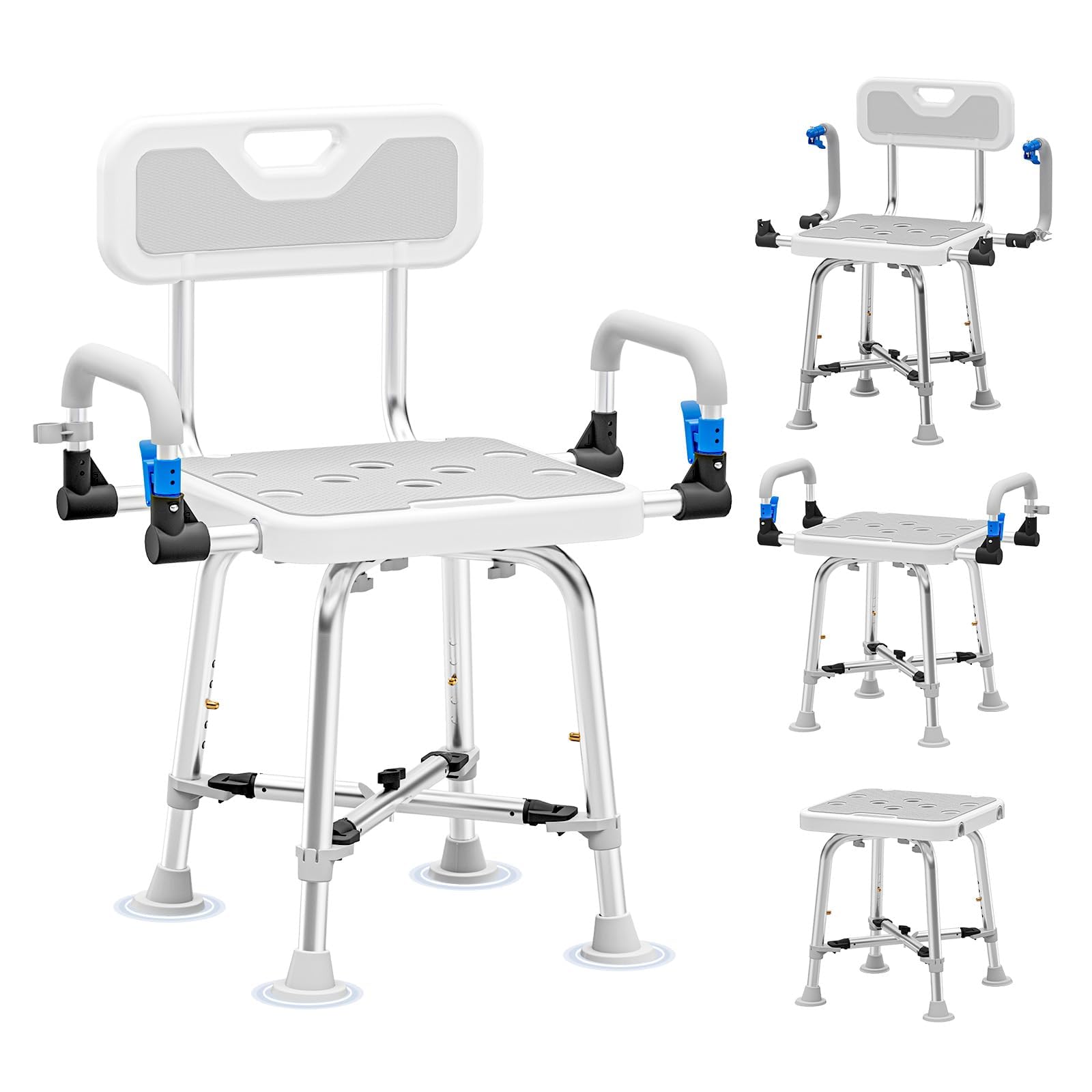
Standing for prolonged periods in a wet environment can be hazardous for seniors or individuals with limited mobility. The SeatYuPro Heavy Duty Shower Chair offers a sturdy, adjustable seating option that does not require permanent installation. Constructed from aluminium with a cross‑braced frame, the chair supports up to 500 lbs and includes anti‑slip feet that grip wet surfaces.
Its convertible arm configurations and padded backrest reduce pressure points, making bathing a comfortable experience. The tool‑less height adjustment allows users to customize the seat level for either a shower stall or a bathtub. Priced at $29.99 with a rating of 4.2 out of 5, the chair balances durability and affordability, making it an ideal renter‑friendly addition.
Step 4: Apply Non‑Slip Surface Treatments
Even with a stool and chair, the bathroom floor remains a primary source of slips. Apply adhesive non‑slip strips to the bathtub interior, shower base, and near the toilet. Choose strips that are compatible with the existing flooring material to avoid residue when removed. After cleaning the surface thoroughly, press the strips firmly and allow them to cure according to the manufacturer’s instructions.
These strips are inexpensive, typically costing less than $10 for a full bathroom set, and they can be removed at the end of a tenancy without leaving damage. Their presence adds a layer of friction that protects both the user and the landlord’s property.
Step 5: Install Temporary Grab Bars
Grab bars provide essential support when entering or exiting the bathtub and when standing near the toilet. For renters, suction‑cup or tension‑mount grab bars are preferable because they do not require drilling. Select bars with a weight rating of at least 250 lbs and ensure that the mounting surface is clean and dry before installation.
Position one bar on the side of the tub and another near the toilet for maximum assistance. Test each bar by applying pressure before use. If a landlord permits, adhesive‑mount bars with removable adhesive can also be considered, offering a more permanent feel without structural alteration.
Step 6: Optimize Lighting and Visibility
Adequate lighting reduces the likelihood of missteps. Install battery‑operated LED night lights that can be placed on the floor or attached to the wall with removable adhesive strips. Choose lights with a soft, warm glow to avoid glare while still illuminating key areas.
Additionally, consider adding a motion‑sensor light inside the shower enclosure. These lights activate automatically when humidity is detected, ensuring that the user never navigates a dark, slippery space.
Step 7: Create a Maintenance and Review Schedule
Safety modifications require regular inspection to remain effective. Develop a monthly checklist that includes testing the stability of the step stool, confirming that the shower chair is free of rust, and verifying that grab bars have not shifted. Replace worn non‑slip strips promptly, and clean all accessories to prevent soap buildup.
Document each inspection in a log that can be shared with the landlord. This proactive approach demonstrates responsibility and can help negotiate lease extensions or rent adjustments based on the added safety features.
Tips & Pro Tips
- When using the Delxo Folding Step Stool, always ensure that the locking hinges are fully engaged before stepping on it.
- Place a small towel or mat under the SeatYuPro Heavy Duty Shower Chair to protect the floor from water marks while enhancing stability.
- Test suction‑cup grab bars on a small, inconspicuous area first to confirm that the surface can hold the required weight.
- Consider adding a handheld shower head with a flexible hose; this provides better control for seated users.
- Keep a set of slip‑resistant socks or shoes near the bathroom entrance to reduce the risk of falls on wet floors.
Troubleshooting
Problem: The step stool feels wobbly after repeated use.
Solution: Inspect the hinges for debris or wear, tighten any loose screws, and ensure the stool is placed on a level surface. If wobbliness persists, replace the stool to maintain safety.
Problem: Grab bars lose suction over time.
Solution: Clean the mounting surface with isopropyl alcohol, re‑wet the suction cups, and press firmly. If suction still fails, switch to tension‑mount bars that do not rely on suction.
Conclusion
Creating a renter‑friendly bathroom modifications checklist empowers seniors and individuals with limited mobility to age in place safely. By assessing the space, incorporating portable tools such as the Delxo Folding Step Stool and the SeatYuPro Heavy Duty Shower Chair, applying non‑slip treatments, and installing temporary grab bars, one can achieve a secure environment without permanent alterations. Regular maintenance ensures that these adaptations continue to provide protection over time, and clear documentation fosters positive communication with landlords. Implementing the checklist today can significantly reduce the risk of bathroom injuries and support long‑term independence.
Products Mentioned in This Guide
Frequently Asked Questions
What bathroom modifications are allowed for renters without breaking a lease?
Renters can add non‑permanent solutions like slip‑resistant adhesive strips, suction‑mounted grab bars, and portable shower chairs that are easily removable.
How do I prioritize safety upgrades on a limited budget?
Start with fall‑prevention items—non‑slip flooring, grab bars, and a stable step stool—then add comfort features like an adjustable shower chair.
Can grab bars be installed without drilling into walls?
Yes, suction‑cup or tension‑mount grab bars provide secure support and can be removed without damage when the lease ends.
What tools are essential for temporary bathroom modifications?
A measuring tape, level, basic hand tools (screwdriver, wrench), and cleaning supplies for surface prep are sufficient for most renter‑friendly upgrades.
How can I ensure modifications are reversible for future moves?
Choose adhesive strips, portable fixtures, and hardware that attach without permanent fasteners, and keep all original hardware for re‑installation later.