How to Clean and Disinfect Wheelchairs and Rollators at Home: A Step‑by‑Step Safe Guide
Introduction
One will discover a systematic approach to restoring hygiene to wheelchairs and rollators, two essential mobility aids used daily by many individuals. This guide explains why regular cleaning prevents the spread of germs, reduces wear on moving parts, and preserves the appearance of the equipment. It also demonstrates how to select safe cleaning agents, protect delicate components, and apply proper drying techniques. By following the instructions, one will achieve a professional level of cleanliness without the need for expensive service contracts.
What You'll Need
- Microfiber cleaning cloths
- Gentle pH‑balanced soap or an approved disinfectant spray
- Bucket of warm water
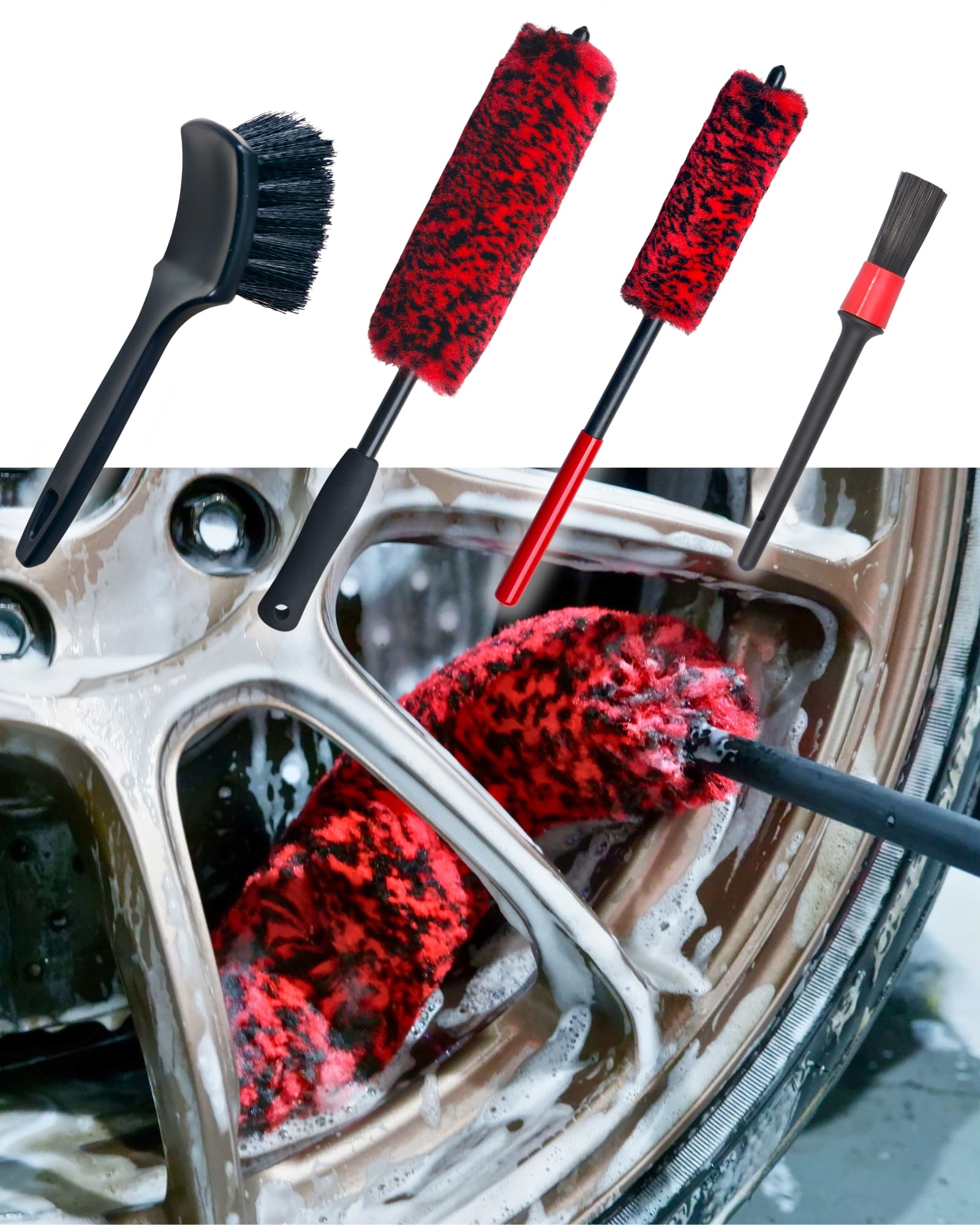
- Soft‑bristled brush for rims and tires – Oesee Wheel Brush Set
- Silicone‑grip hand gloves
- Compressed‑air canister or a small hand pump
- Dry towels or a low‑speed fan for air‑drying
Step‑by‑Step Instructions
1. Prepare a Safe Working Area
One should begin by selecting a well‑ventilated space free from clutter, preferably on a smooth surface such as a garage floor or a large table. Place a protective sheet or old towels underneath the wheelchair or rollator to catch any runoff. Ensure that the power source for any electric models is disconnected, and remove batteries if applicable. This preparation reduces the risk of slipping and protects surrounding furniture from accidental spills.
2. Remove Loose Debris
Using a dry microfiber cloth, one must wipe away dust, hair, and loose particles from the frame, seat, and armrests. For crevices around the footrests and folding mechanisms, a soft detailing brush from the Oesee Wheel Brush Set is ideal because its ultra‑soft synthetic plush fibers reach into tight spaces without scratching the surface. Removing debris at this stage prevents it from becoming embedded during later scrubbing.
3. Clean the Wheels and Tires
The wheels are the most exposed components and accumulate brake dust, road grime, and biological contaminants. Submerge the two ultra‑soft wheel brushes in a bucket of warm, soapy water. The thick synthetic fibers of the Oesee brushes hold a generous amount of cleaning solution, allowing one to scrub efficiently while minimizing the number of passes required. For the tire tread, switch to the stiff tire brush included in the set; its firmer bristles dislodge embedded dirt without damaging the rubber.
Apply a circular motion to each rim, paying special attention to spokes and hub areas where grime often hides. Rinse the brushes frequently to avoid spreading residue. After scrubbing, rinse the wheels with clean water, using a compressed‑air canister to blow away excess liquid from bearings and spokes. The flexible 360‑degree bend of the Oesee brushes ensures access to hard‑to‑reach angles, delivering a thorough clean.
4. Disinfect the Frame and Upholstery
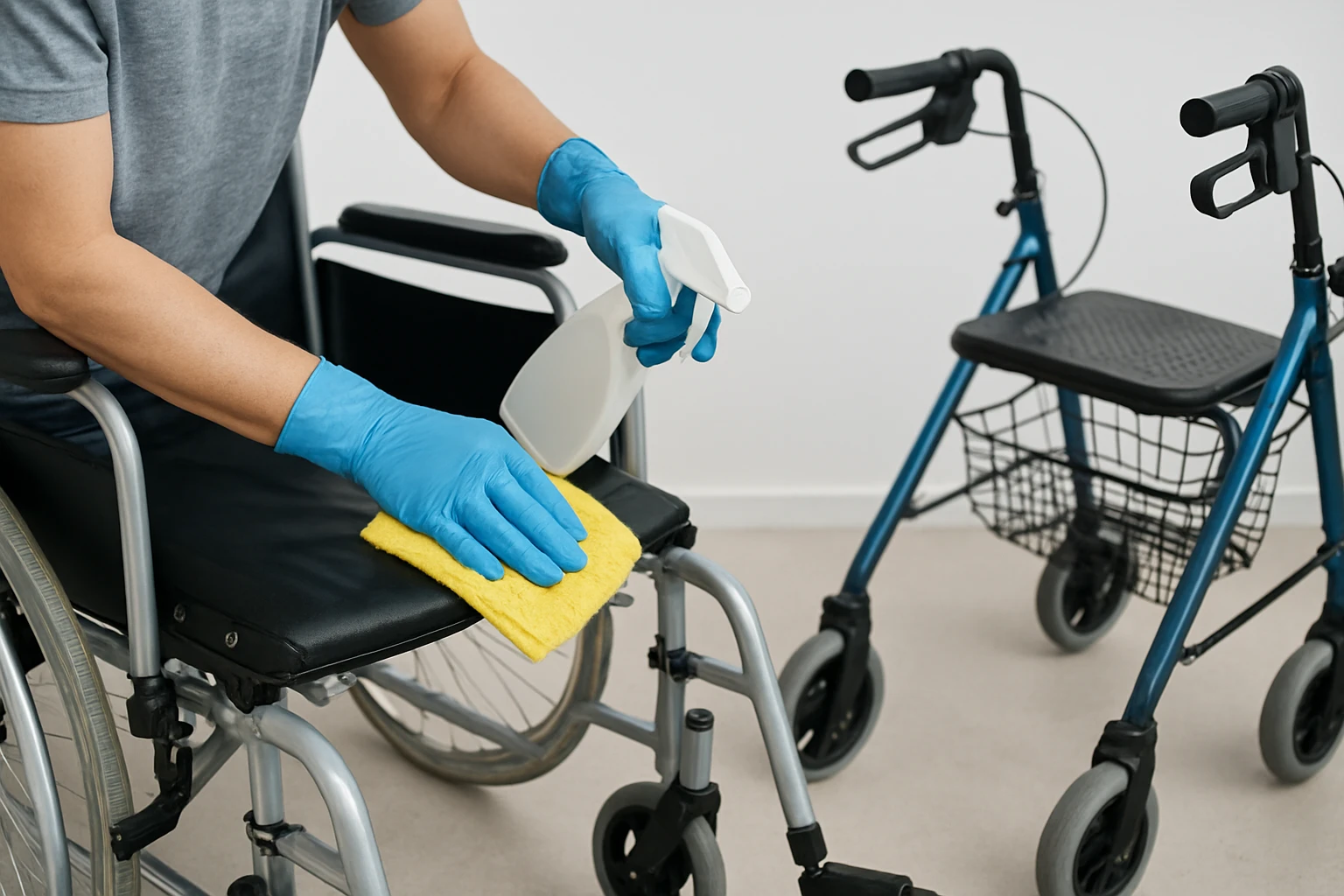
Choose a disinfectant that is compatible with the material of the wheelchair or rollator; a 70 % isopropyl alcohol solution or a EPA‑registered disinfectant spray works well on metal and plastic surfaces. Lightly mist the spray onto a clean microfiber cloth rather than directly onto the equipment to avoid oversaturation. Wipe all hard surfaces, including the frame, hand grips, and folding levers, using steady, overlapping strokes.
If the seat or backrest is upholstered, test a small hidden area first to confirm that the disinfectant does not cause discoloration. Then, gently dab the treated cloth onto the fabric, allowing the solution to penetrate without soaking the material. Let the disinfectant remain on the surface for the contact time recommended by the manufacturer, typically three to five minutes, to ensure microbial kill.
5. Dry All Components Thoroughly
After cleaning and disinfecting, one must eliminate residual moisture to prevent rust and mold growth. Use dry towels to blot the frame, seat, and armrests. For the wheels, employ a low‑speed fan or allow air‑drying in a well‑ventilated area for at least thirty minutes. The quick‑drying nature of the synthetic plush fibers in the Oesee brushes means they can be air‑dried after each use, ready for the next cleaning session.
6. Reassemble and Inspect
Once all parts are completely dry, reattach any removed accessories such as footrests, cushions, or battery packs. Perform a visual inspection for missed spots, loose bolts, or worn brake pads. Rotate the wheels by hand to confirm that they spin freely and that no cleaning residue remains in the bearings. This final check guarantees that the wheelchair or rollator is safe for immediate use.
Tips & Pro Tips
- Schedule a deep cleaning of wheels and tires at least once a month; light surface wipes can be performed weekly.
- When cleaning electric wheelchairs, protect electronic controls with a silicone‑based spray guard to avoid moisture ingress.
- Store the Oesee Wheel Brush Set in a dry container after each use; the brushes air‑dry quickly due to their high‑quality synthetic fibers.
- For stubborn brake dust, apply a dedicated brake cleaner to the rim brush, but rinse thoroughly to prevent chemical residue.
- Never use abrasive pads or steel wool on painted or polished surfaces, as they can cause micro‑scratches that accelerate corrosion.
Troubleshooting
Problem: Wheel bearings remain gritty after cleaning.
Solution: Use compressed air to blow out debris, then apply a light drop of lubricant approved for wheelchair bearings and rotate the wheel to distribute evenly.
Problem: Upholstery retains an unpleasant odor after disinfection.
Solution: Sprinkle baking soda on the fabric, let it sit for fifteen minutes, then vacuum; this neutralizes odors without harming the disinfectant effect.
Conclusion
One now possesses a complete, step‑by‑step methodology for cleaning and disinfecting wheelchairs and rollators safely at home. By preparing the workspace, removing debris, using the appropriate brushes—particularly the Oesee Wheel Brush Set—and following proper drying and inspection procedures, one can extend the lifespan of mobility equipment and protect the health of its users. Regular maintenance, combined with the professional tools outlined, ensures that the equipment remains reliable, hygienic, and ready for daily use.
Products Mentioned in This Guide

Oesee Wheel Brush Set
Price: $16.99
Rating: 4.6/5.0 (2,008 reviews)
Features: Four‑piece kit with two ultra‑soft rim brushes, one soft detailing brush, and one stiff tire brush; metal‑free heads; 360° flexible design; easy‑to‑air‑dry synthetic fibers.
Frequently Asked Questions
How often should I clean and disinfect my wheelchair or rollator?
Clean the frame weekly and disinfect high‑touch areas daily, or after each use if the user is ill.
What cleaning agents are safe for wheelchair upholstery and metal parts?
Use a gentle pH‑balanced soap or an approved disinfectant spray that is non‑abrasive and free of bleach.
Can I use a regular household brush on wheelchair rims and tires?
Use a soft‑bristled brush, like the Oesee Wheel Brush Set, to avoid scratching rims while removing grime.
How do I dry a wheelchair properly after cleaning?
Wipe with dry towels and finish with a low‑speed fan or compressed‑air to remove moisture from crevices.
Do I need special gloves when cleaning mobility aids?
Silicone‑grip hand gloves protect your skin and improve grip while handling wet components.