
How to Create a Bathroom Remodel Timeline for Aging in Place: Step‑by‑Step Guide & Checklist
Introduction
One of the most important projects for a household that is planning for later years is a bathroom remodel that supports aging in place. This guide explains how to develop a realistic timeline, what tasks should be scheduled, and which tools can simplify each phase. By following the checklist, one can reduce unexpected delays, stay within budget, and create a safe, comfortable space that retains dignity and independence.
Readers will learn how to assess needs, allocate resources, select age‑friendly fixtures, and coordinate installation tasks. The information is valuable because bathroom accidents are a leading cause of injuries among older adults, and a well‑planned remodel can prevent many of those incidents.
What You'll Need
- Measuring tape, level, and pencil for layout planning
- Safety‑grade non‑slip rug (OLANLY Chenille Bathroom Rug)
- Stainless‑steel bathroom hardware set (RUBY.Q Bathroom Hardware Set)
- Clear drawer organizers (Vtopmart Drawer Organizer Set)
- Adhesive shower caddy (Veken Shower Caddy)
- Basic plumbing tools, screwdriver set, and drill (optional)
Step‑by‑Step Instructions
1. Assess Accessibility Requirements
The first step is to evaluate the current bathroom for barriers that could impede mobility. Measure doorway width, floor‑to‑toilet height, and shower threshold depth. Identify where grab bars, a higher‑profile toilet seat, or a walk‑in shower would be most beneficial. One should also consider lighting levels and the placement of switches to reduce reach distances.
During this assessment, record all measurements in a notebook or digital spreadsheet. This data will inform the design stage and help contractors provide accurate quotes.
Why this matters: Accurate measurements prevent costly re‑work later and ensure that every safety feature fits the space precisely.
2. Establish Budget and Timeline
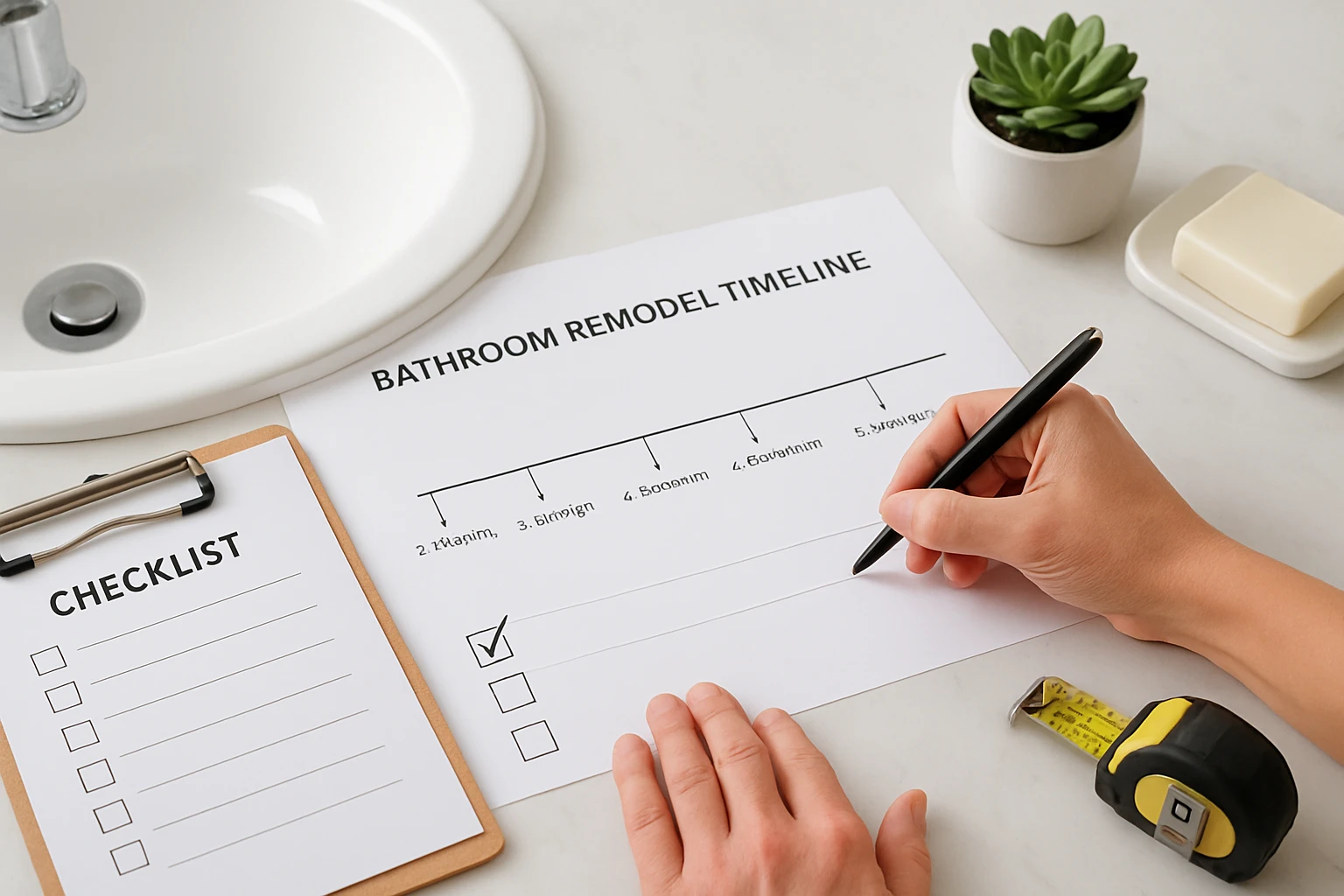
After the assessment, set a realistic budget that includes fixtures, labor, permits, and a contingency of 10‑15 percent for unexpected issues. Break the overall schedule into phases: planning (1‑2 weeks), demolition (1 week), rough‑in plumbing/electrical (2‑3 weeks), installation of fixtures (2 weeks), and final inspection (1 week). Use a simple Gantt chart or spreadsheet to visualize overlapping tasks.
Allocate extra time for ordering products, especially those with longer lead times. For example, the OLANLY Chenille Bathroom Rug ships within a few days, but custom tile or grab‑bar hardware may require two weeks.
Why this matters: A clear timeline reduces stress, keeps contractors accountable, and ensures that safety features are installed before the bathroom is used.
3. Design the Layout with Safety in Mind
Using the measurements, draft a scaled floor plan on graph paper or a digital design tool. Position the toilet, vanity, and shower to allow a minimum 36‑inch turning radius for wheelchair users. Include space for the RUBY.Q Bathroom Hardware Set which provides sturdy towel bars, toilet paper holders, and robe hooks that do not protrude sharply.
Mark locations for grab bars at the side of the tub and beside the toilet. Ensure that the shower floor will be level and that a slip‑resistant surface will be installed.
Why this matters: A well‑thought‑out layout eliminates cramped spaces, reduces the risk of falls, and makes daily routines smoother.
4. Select Slip‑Resistant Flooring and Rugs
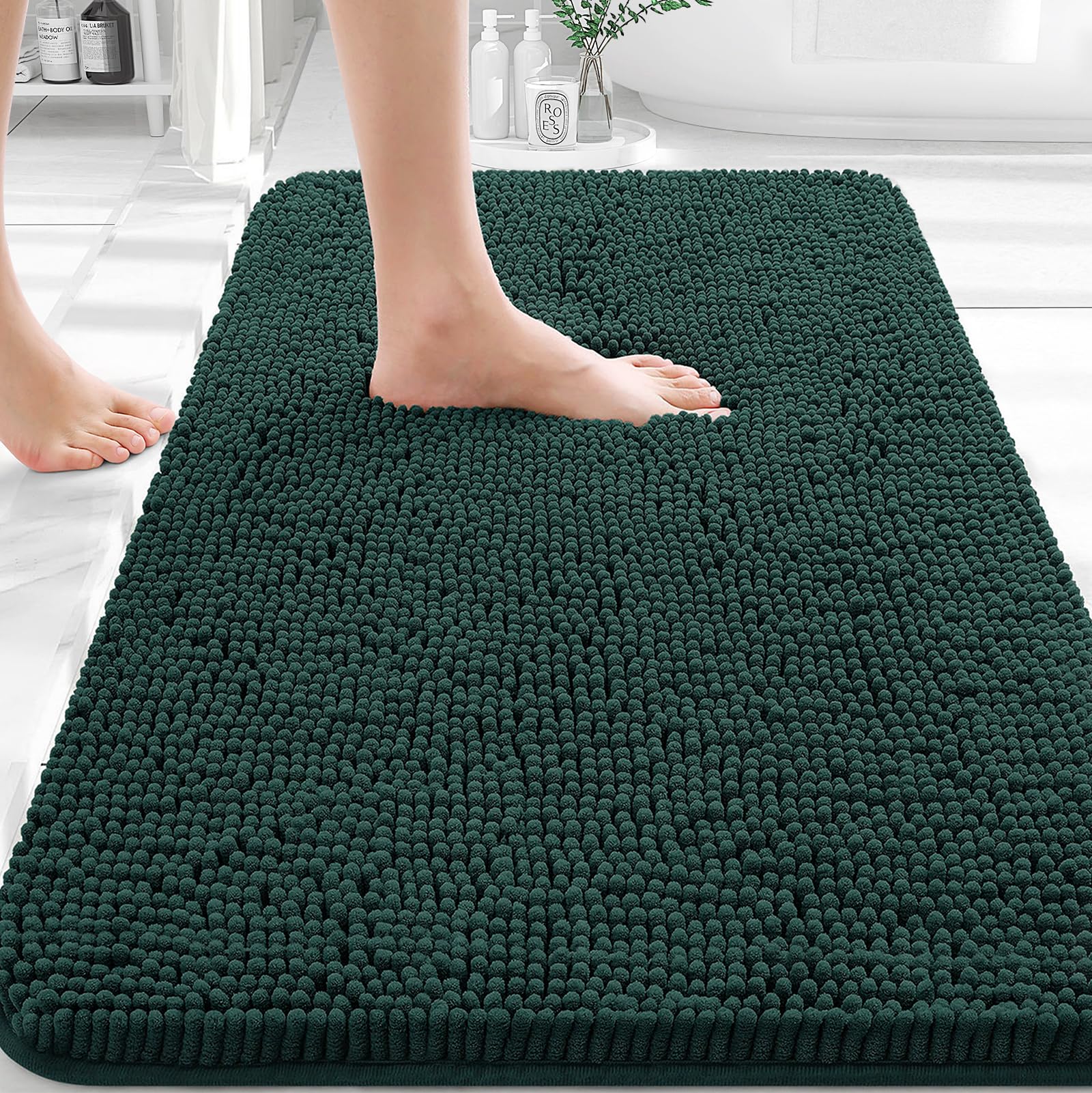
Even with slip‑resistant tile, a soft rug can provide additional comfort when stepping out of the shower. The OLANLY Chenille Bathroom Rug offers ultra‑absorbent chenille, a textured rubber backing for stability, and a fade‑resistant microfiber surface. Priced at $26.49, it has a 4.4‑star rating from 45,765 reviews, indicating reliable performance.
Place the rug on a clean, dry, level floor as instructed in the product warning. The rubber backing prevents slipping, while the plush pile keeps feet warm, which is especially beneficial for older adults with circulation concerns.
Why this matters: A non‑slip rug reduces the likelihood of falls on wet floors, and the absorbency protects the underlying flooring from water damage.
5. Install Age‑Friendly Fixtures and Hardware
During the rough‑in phase, install plumbing lines that accommodate a wall‑mounted or comfort‑height toilet. When the walls are ready, mount the RUBY.Q Bathroom Hardware Set. Its stainless‑steel construction resists rust, and the concealed screws give a clean appearance while preventing rotation under load. The set includes two towel bars, two towel rings, two toilet paper holders, and four robe hooks, providing comprehensive coverage.
Each component comes with built‑in hex screws that simplify installation and ensure a secure fit. Follow the included instructions to drill pilot holes, insert expansion anchors, and tighten with an Allen wrench.
Why this matters: High‑quality hardware reduces maintenance, prevents accidental detachment, and offers a sleek look that does not distract from safety.
6. Organize Storage with Clear Drawer Organizers
Cluttered countertops can impede safe movement. The Vtopmart Drawer Organizer Set includes 25 clear plastic bins in four sizes, each equipped with silicone non‑slip pads. Priced at $19.99 with a 4.7‑star rating from 41,772 reviews, the set allows one to compartmentalize toiletries, medications, and grooming tools.
Place larger bins for shampoo bottles and smaller ones for razors or cosmetics. The clear design lets users see contents without opening drawers, reducing the need to search and minimizing the risk of trips.
Why this matters: Organized storage promotes independence, reduces visual clutter, and prevents accidental spills from overturned containers.
7. Add a Rust‑Proof Shower Caddy
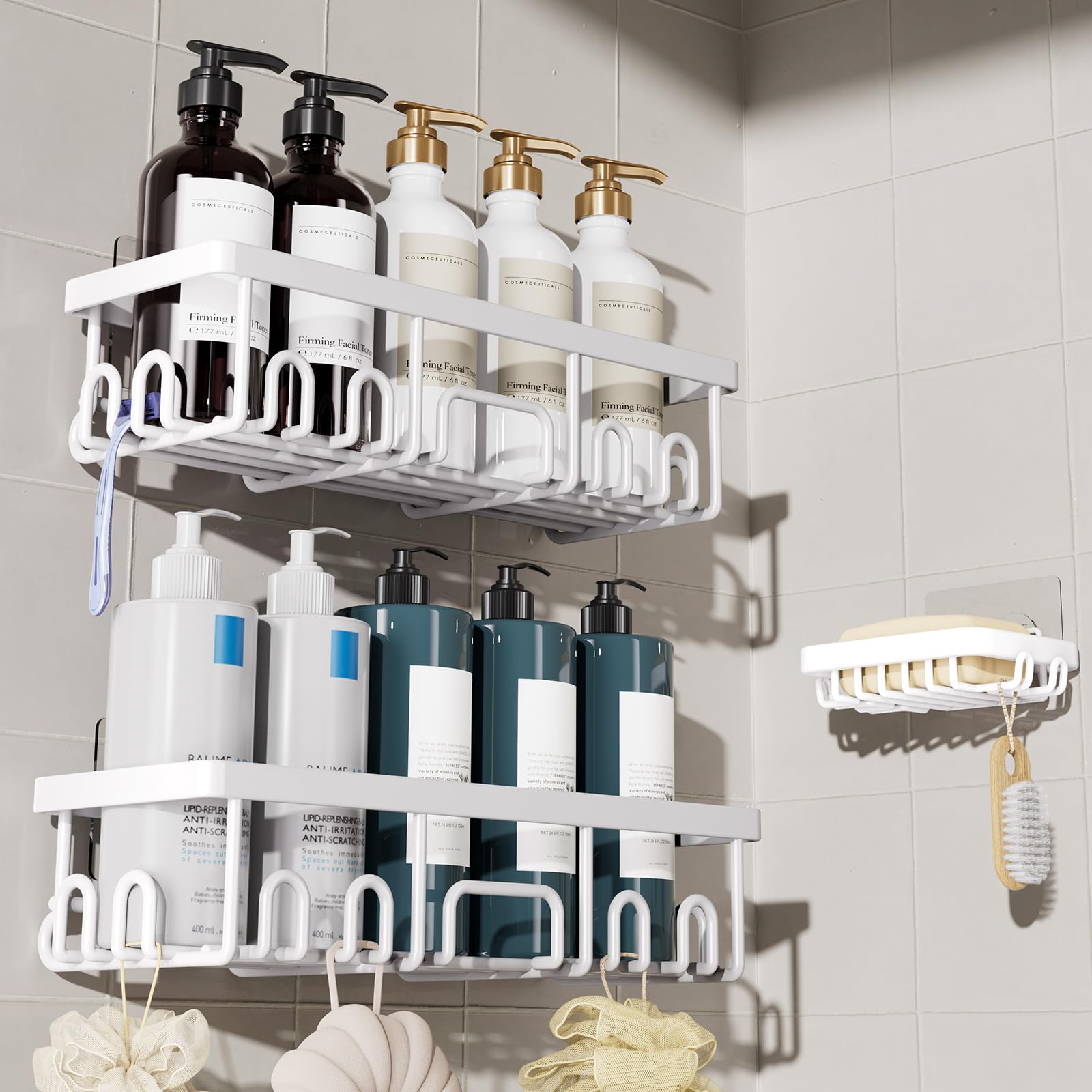
For shared family bathrooms, a wall‑mounted shower caddy keeps bottles within reach while freeing floor space. The Veken Shower Caddy is a 3‑pack made of stainless steel, offering a rust‑proof, waterproof solution. It installs with adhesive pads, eliminating the need for drilling and preserving tile integrity.
Each caddy includes a soap dish and multiple shelves. The adhesive system holds up to 5‑10 lb per shelf, which is sufficient for most shampoo and conditioner bottles. The product has a 4.7‑star rating from 13,707 reviews, indicating strong customer satisfaction.
Why this matters: A sturdy, rust‑proof caddy prevents water from pooling on the floor, reduces clutter, and eliminates the need for additional hardware that could snag clothing.
8. Final Inspection and Safety Verification
Once all installations are complete, conduct a walkthrough to verify that grab bars are securely fastened, the rug is placed on a dry surface, and storage solutions are stable. Test each hardware component by applying pressure equivalent to the advertised weight capacity. Ensure that lighting switches are reachable from a seated position and that there are no exposed sharp edges.
Document any issues and address them before the bathroom is used regularly. A final inspection checklist should include: slip‑resistance, hardware stability, clear pathways, and functional plumbing.
Why this matters: A thorough verification guarantees that the remodel meets safety standards and provides peace of mind for the homeowner and family members.
Tips & Pro Tips
- Order all products at least two weeks before the installation phase to avoid delays.
- Use a laser level when marking hardware placement to ensure consistent height.
- Apply a water‑resistant sealant around the rug edges if the floor is prone to moisture.
- Consider adding a motion‑sensor night light to improve visibility during nighttime trips.
- When using adhesive caddies, clean the wall with isopropyl alcohol for optimal bond strength.
Troubleshooting
Problem: The rug slips despite the rubber backing.
Solution: Verify that the floor is completely dry and clean. Place a thin non‑slip mat underneath the rug or use double‑sided carpet tape designed for bathroom use.
Problem: Hardware feels loose after a few weeks.
Solution: Re‑tighten the hex screws with an Allen wrench and check that the wall anchors are still seated properly. If the wall material is weak, consider using toggle bolts for additional support.
Conclusion
Creating a bathroom remodel timeline for aging in place requires careful assessment, budgeting, and selection of safety‑focused products. By following the step‑by‑step checklist, one can coordinate demolition, installation, and final inspection without unnecessary stress. The recommended tools—such as the OLANLY Chenille Bathroom Rug, RUBY.Q Bathroom Hardware Set, Vtopmart Drawer Organizer Set, and Veken Shower Caddy—enhance safety, organization, and comfort while fitting seamlessly into the overall schedule.
One is encouraged to begin the planning process today, adapt the timeline to personal circumstances, and enjoy a bathroom that supports independence for years to come.
Products Mentioned in This Guide
Frequently Asked Questions
What are the key phases in a bathroom remodel timeline for aging in place?
The timeline typically includes assessment, design planning, permitting, demolition, installation of age‑friendly fixtures, finishing work, and final safety inspection.
How can I accurately estimate the duration of each remodel phase?
Create a detailed checklist, assign realistic time buffers for each task, and consult with contractors to validate your schedule.
Which age‑friendly fixtures should be prioritized in the remodel?
Focus on non‑slip flooring, grab bars, walk‑in showers or tubs, height‑adjustable toilets, and lever‑style faucets for easy use.
What tools can help streamline the bathroom remodel planning process?
Use measuring tape, a level, and digital design software or project‑management apps to track tasks, budgets, and deadlines.
How can I stay within budget while ensuring safety features are included?
Set a clear budget early, prioritize essential safety upgrades, source cost‑effective fixtures, and monitor expenses against your checklist regularly.