Medicare Coverage for Remote Patient Monitoring Devices: The 2026 Ultimate Guide to Eligibility, Reimbursement & Billing
Introduction
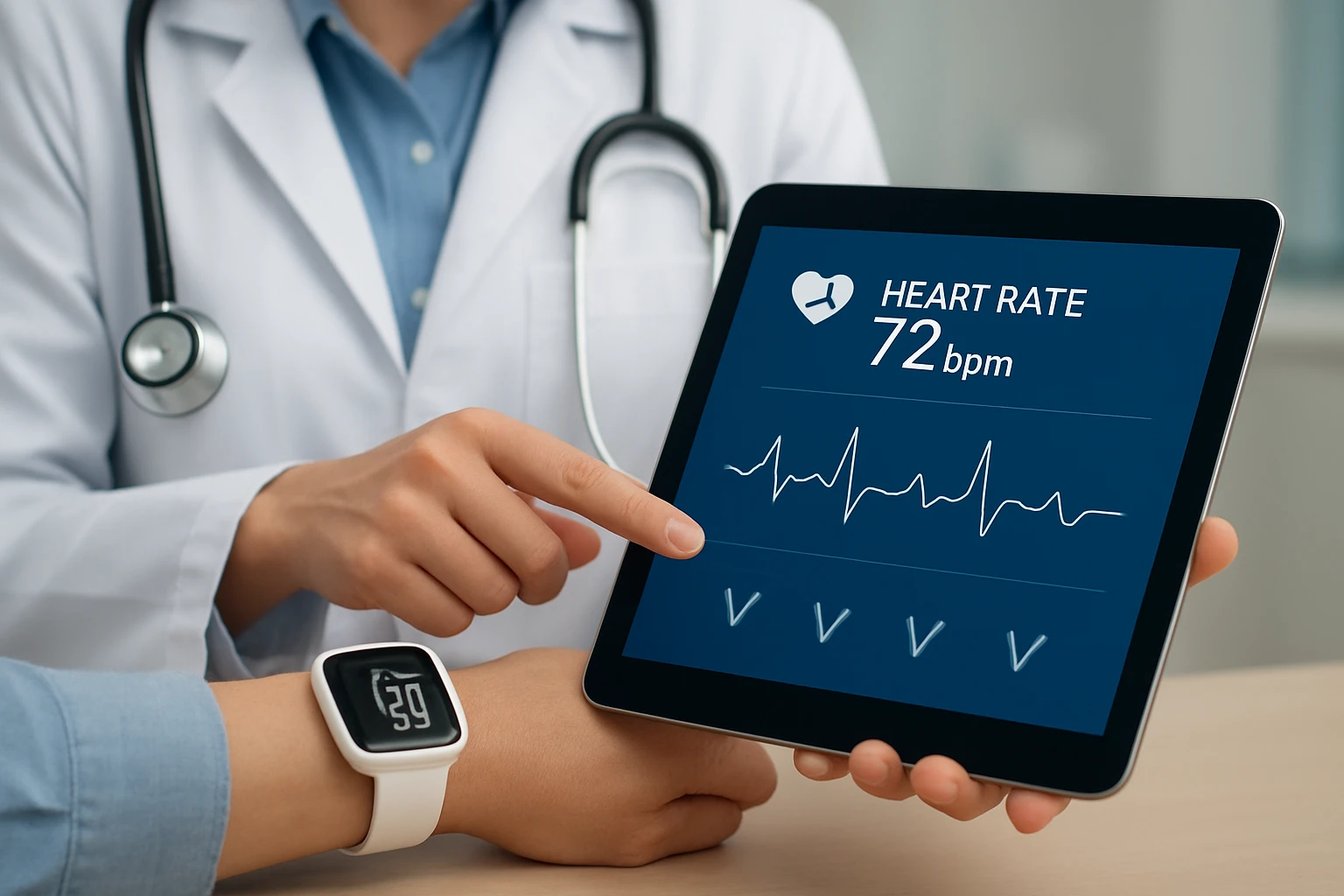
Remote patient monitoring (RPM) has become an essential component of modern health care delivery, particularly for Medicare beneficiaries who require continuous observation of chronic conditions. This guide explains the regulatory framework, eligibility criteria, and reimbursement pathways that govern RPM devices under Medicare in the year 2026. Readers will learn how to determine whether a device qualifies for coverage, how to submit claims correctly, and which products provide the best value for clinical practice. The information presented combines policy analysis with practical product recommendations to support informed decision making.
Background and Context
Medicare introduced the RPM benefit in 2018 to encourage the use of technology that can transmit physiologic data from a patient’s home to a health care provider. The program is administered under the Medicare Physician Fee Schedule and relies on specific Current Procedural Terminology (CPT) codes to process payments. In 2026, the Centers for Medicare & Medicaid Services (CMS) continue to refine the criteria for device eligibility, emphasizing medical necessity, FDA clearance, and data security. Understanding these foundational elements is critical for providers, billing specialists, and patients who wish to leverage RPM for improved health outcomes.
Eligibility Requirements for RPM Devices
To qualify for Medicare reimbursement, a device must meet three core eligibility requirements. First, the device must be classified as a medical‑grade instrument and possess FDA clearance or approval for the intended monitoring function. Second, the device must be capable of transmitting data electronically to a Medicare‑enrolled clinician or a designated remote monitoring service. Third, the patient must have a documented chronic condition that can be managed through remote observation, such as heart failure, diabetes, or chronic obstructive pulmonary disease.
CMS also mandates that the monitoring service be provided for at least 20 minutes of cumulative time per month, and that the provider document the clinical decision‑making process associated with the data. Devices that fail to meet any of these standards are considered non‑eligible and cannot be billed under the RPM benefit. Providers should verify device compliance before initiating a monitoring program.
Key Reimbursement Codes and Billing Process
The primary CPT codes used for RPM services in 2026 are 99453, 99454, 99457, and 99458. Code 99453 covers the initial set‑up and patient education, while 99454 reimburses for the supply of the device and data transmission. Codes 99457 and 99458 compensate for the time a clinician spends interpreting the data and communicating with the patient, with 99458 serving as an add‑on for each additional 20‑minute increment beyond the first 20 minutes.
When submitting a claim, providers must attach the appropriate HCPCS modifiers, include the device’s National Drug Code (NDC) or Unique Device Identifier (UDI), and ensure that the patient’s diagnosis aligns with a covered chronic condition. Claims that lack proper documentation or contain mismatched identifiers are frequently denied, leading to delayed reimbursement. Accurate coding and thorough record‑keeping are therefore essential for successful billing.
Strategic Considerations for Providers
Providers should evaluate the cost‑effectiveness of RPM programs by comparing device acquisition costs, subscription fees, and expected reimbursement rates. Selecting devices that do not require additional subscription fees can improve the financial sustainability of a program, especially for smaller practices. Moreover, integrating RPM data into existing electronic health record (EHR) systems streamlines workflow and reduces administrative burden.
Another strategic factor is patient adherence. Devices that are lightweight, easy to operate, and compatible with both iOS and Android platforms tend to achieve higher usage rates. High adherence translates into more reliable data, better clinical decisions, and ultimately stronger justification for continued Medicare coverage.
Product Recommendation: AliveCor KardiaMobile EKG Monitor
The AliveCor KardiaMobile EKG Monitor exemplifies a device that meets Medicare’s eligibility criteria for cardiac RPM. It is a pocket‑size, FDA‑cleared, single‑lead electrocardiogram (EKG) system that records a medical‑grade tracing in 30 seconds. The monitor transmits results directly to a smartphone app, enabling clinicians to review rhythm data without the need for Bluetooth pairing or additional hardware.
Key specifications include a 16‑bit resolution, detection of atrial fibrillation, tachycardia, bradycardia, and normal sinus rhythm, and a price point of $79.00. The product holds a rating of 4.4 out of 5 stars based on 82,766 customer reviews, indicating broad user satisfaction. Because the device does not require a subscription for basic functionality, it aligns with the cost‑containment goals of many Medicare‑eligible practices.
Clinicians can incorporate the KardiaMobile into a cardiac RPM program by assigning the device to patients with a history of arrhythmia or heart failure. The data generated can be uploaded to the provider’s EHR, supporting the documentation required for CPT codes 99454, 99457, and 99458. The device’s ease of use and rapid result delivery enhance patient adherence, thereby strengthening the clinical justification for reimbursement.
Comparison and Selection Guide
When selecting an RPM device, providers should assess four critical dimensions: clinical accuracy, regulatory status, data integration capability, and total cost of ownership. The table below compares the AliveCor KardiaMobile with two hypothetical alternatives that illustrate common trade‑offs.
| Feature | AliveCor KardiaMobile | Alternative A (Multi‑lead Patch) | Alternative B (Smartwatch) |
|---|---|---|---|
| FDA Status | Cleared for single‑lead EKG | Cleared for continuous multi‑lead monitoring | Not FDA‑cleared for diagnostic EKG |
| Data Transmission | Bluetooth‑free, app‑based upload | Bluetooth to hub, then to cloud | Bluetooth to phone, limited raw data |
| Subscription Cost | No mandatory subscription | $15/month for analytics | $10/month for premium health suite |
| Patient Burden | 30‑second finger placement | 24‑hour adhesive patch | Worn on wrist, daily charging |
| Price (USD) | $79.00 | $199.00 | $299.00 |
Providers should match device characteristics to patient needs. For patients who require occasional rhythm checks, the KardiaMobile offers a low‑cost, high‑adherence solution. Patients with more complex arrhythmia patterns may benefit from a continuous patch, despite higher costs. Smartwatch solutions are suitable for tech‑savvy users who desire additional fitness metrics but may not meet strict diagnostic requirements.
Best Practices & Tips for Successful RPM Implementation
- Verify that each device possesses an FDA clearance specific to the monitoring indication before procurement.
- Document the clinical rationale for RPM in the patient’s chart, referencing the chronic condition and expected benefit.
- Train patients on proper device usage, emphasizing finger placement for the KardiaMobile and the importance of consistent daily recordings.
- Integrate RPM data streams into the practice’s EHR to automate alerts and streamline billing documentation.
- Monitor claim denials closely; common reasons include missing modifiers, incorrect HCPCS codes, or lack of documented time spent reviewing data.
- Conduct quarterly reviews of device utilization and patient outcomes to demonstrate value to Medicare auditors.
By following these guidelines, providers can maximize reimbursement, improve patient outcomes, and sustain the financial viability of RPM programs. Continuous education of staff and patients ensures that the technology remains an asset rather than a burden.
Frequently Asked Questions
1. Which CPT codes are used for billing RPM services?
Codes 99453 (setup), 99454 (device supply and transmission), 99457 (first 20 minutes of clinical staff time), and 99458 (each additional 20‑minute increment) are the primary billing codes for RPM in 2026.
2. Can a patient use multiple RPM devices for different conditions?
Yes, a patient may be enrolled in multiple RPM programs provided each device meets Medicare eligibility and the associated chronic conditions are documented separately.
3. Does the AliveCor KardiaMobile require a subscription for full functionality?
No, the basic EKG recording and rhythm classification are available without a subscription. An optional subscription, KardiaCare, offers advanced analytics and physician review services for an additional fee.
4. How often must data be transmitted to qualify for reimbursement?
CMS requires that data be transmitted at least once per month and that the provider spend a minimum of 20 minutes reviewing the information during that period.
5. What documentation is essential for preventing claim denials?
Providers must include the patient’s diagnosis, device UDI or NDC, time spent interpreting data, and a narrative describing how the information influenced clinical management.
6. Are there any Medicare Advantage plans that offer higher reimbursement rates for RPM?
Some Medicare Advantage organizations provide supplemental payments for RPM, but rates vary by contract. Providers should verify plan‑specific policies before enrolling patients.
7. Can RPM services be billed alongside telehealth visits?
Yes, RPM and telehealth services can be billed concurrently as long as each service meets its distinct documentation and time requirements.
Conclusion
Medicare’s support for remote patient monitoring in 2026 offers a robust framework for delivering cost‑effective, high‑quality care to beneficiaries with chronic conditions. By adhering to eligibility criteria, utilizing the correct CPT codes, and selecting compliant devices such as the AliveCor KardiaMobile EKG Monitor, providers can secure reimbursement while enhancing patient engagement. Ongoing documentation, data integration, and adherence to best practices ensure program sustainability and reduce the risk of claim denials. Ultimately, a well‑structured RPM strategy aligns clinical excellence with financial stewardship.
Products Featured in This Guide
AliveCor KardiaMobile EKG Monitor
Price: $79.00
Rating: 4.4/5.0 (82,766 reviews)
Featured because it is FDA‑cleared, subscription‑free for basic use, and provides rapid, clinically accurate single‑lead EKG recordings that satisfy Medicare RPM eligibility requirements.