How to Create an Essential Winter Home Safety Checklist for Seniors Living Alone
Introduction
Winter presents unique hazards for seniors who reside alone. Cold temperatures can exacerbate health conditions, increase the risk of falls, and cause utilities to fail unexpectedly. This guide will teach the reader how to develop a comprehensive safety checklist that addresses heating, insulation, emergency supplies, communication, and daily routines. By following the steps, seniors and their caregivers can reduce anxiety, enhance independence, and maintain a secure living environment throughout the cold season.
What You'll Need
- Basic household tools (screwdriver, tape measure, utility knife)
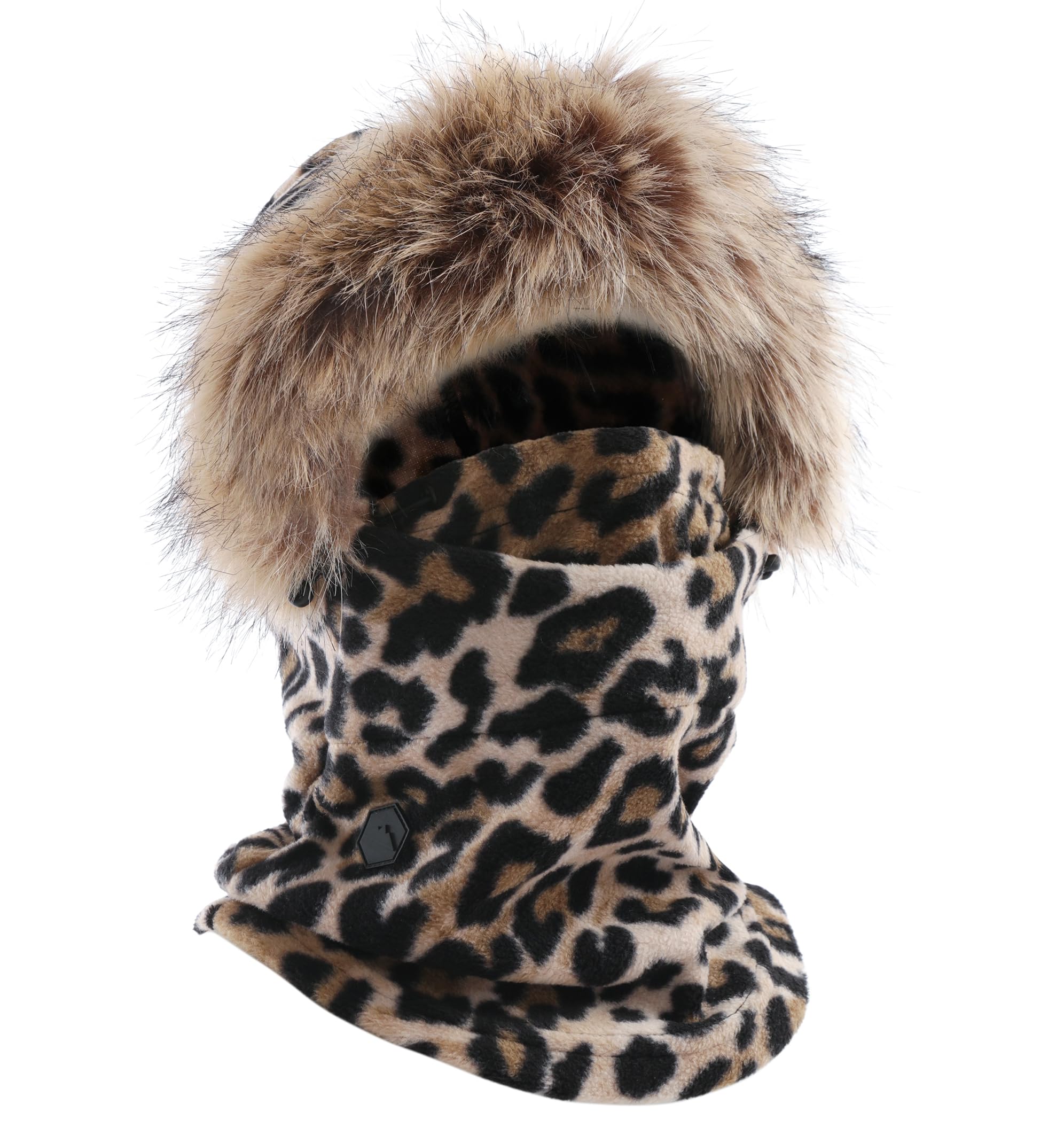
- Thermal accessories such as a Tough Headwear Fleece Balaclava for personal warmth
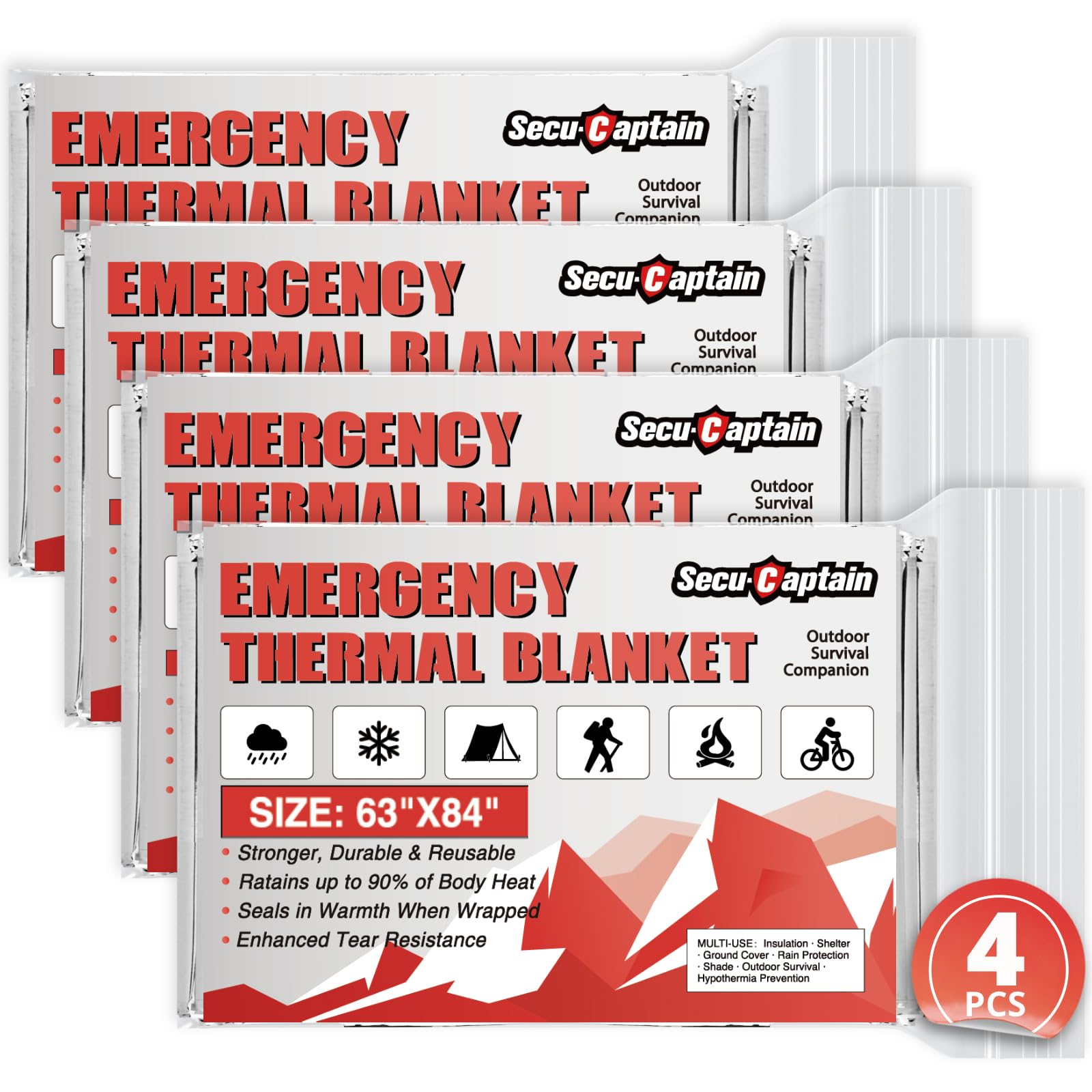
- Emergency thermal blankets like the SecuCaptain Thermal Blankets Kit
- A multi‑function emergency radio such as the Eoxsmile Emergency Radio
- Battery backup devices, flashlights, and a basic first‑aid kit
- Notebook or digital device for checklist documentation
Step 1: Conduct a Thorough Home Assessment
The first major step is to walk through each room and identify potential winter hazards. Check windows for drafts, examine doors for proper sealing, and verify that heating equipment is functioning correctly. Document findings in a notebook or digital spreadsheet. This assessment creates the foundation for targeted improvements.
During the assessment, note any areas where a senior may have difficulty reaching a thermostat or opening a window. Consider installing lever‑style handles that require less grip strength. If the home uses a gas furnace, schedule a professional inspection before the first frost.
Step 2: Improve Insulation and Prevent Heat Loss
After the assessment, prioritize sealing drafts and adding insulation. Apply weather‑stripping tape to doors and windows; use a utility knife to trim excess material for a snug fit. For larger gaps, consider expanding foam sealant.
In addition to structural measures, provide personal thermal layers. The Tough Headwear Fleece Balaclava is an affordable, windproof garment that protects the face and neck from cold air. It is constructed from fleece, offering a soft interior and a wind‑resistant exterior, making it ideal for seniors who may step outside for brief errands. At $14.99 with a 4.6‑star rating from over ten thousand reviewers, it provides reliable warmth without restricting movement.
Step 3: Assemble an Emergency Thermal Blanket Supply
In the event of a power outage, a senior must be able to retain body heat. The SecuCaptain Thermal Blankets Kit offers oversized 84 × 63‑inch Mylar blankets that cover an entire adult body with a margin for movement. The blankets reflect up to 90 % of body heat, reducing the risk of hypothermia.
Each blanket weighs only two ounces and folds to the size of a credit card, allowing it to be stored in a kitchen drawer or bedside cabinet. The kit includes multiple blankets, enabling a senior to create a layered shelter, wrap a pet, or share warmth with a visiting caregiver. Priced at $5.94 and rated 4.7 stars by five hundred reviewers, the kit delivers high‑performance thermal protection at a modest cost.
Step 4: Ensure Reliable Communication and Weather Alerts
During severe winter storms, power and cellular networks may be disrupted. An independent communication device is essential. The Eoxsmile Emergency Radio combines NOAA weather alerts, AM/FM/shortwave reception, a hand‑crank generator, and a solar panel, ensuring operation without external power.
This radio also includes a 3 W LED flashlight capable of illuminating up to 80 meters, a 2.5 W reading lamp, and a USB output for charging a mobile phone. The device weighs less than one kilogram and can be placed near a bedside for quick access. With a price of $32.39 and a 4.5‑star rating from over twelve thousand users, it offers a comprehensive solution for staying informed and visible during emergencies.
Step 5: Prepare a Personal Warm‑Clothing Kit
Beyond the balaclava, seniors should have a set of layered clothing that can be quickly donned. Include a thermal base layer, a fleece mid‑layer, and a waterproof outer shell. Store the items in a clearly labeled basket near the main heating source. Encourage the senior to practice putting on the kit within a few minutes, ensuring readiness during sudden temperature drops.
Step 6: Create a Written Checklist and Review Routine
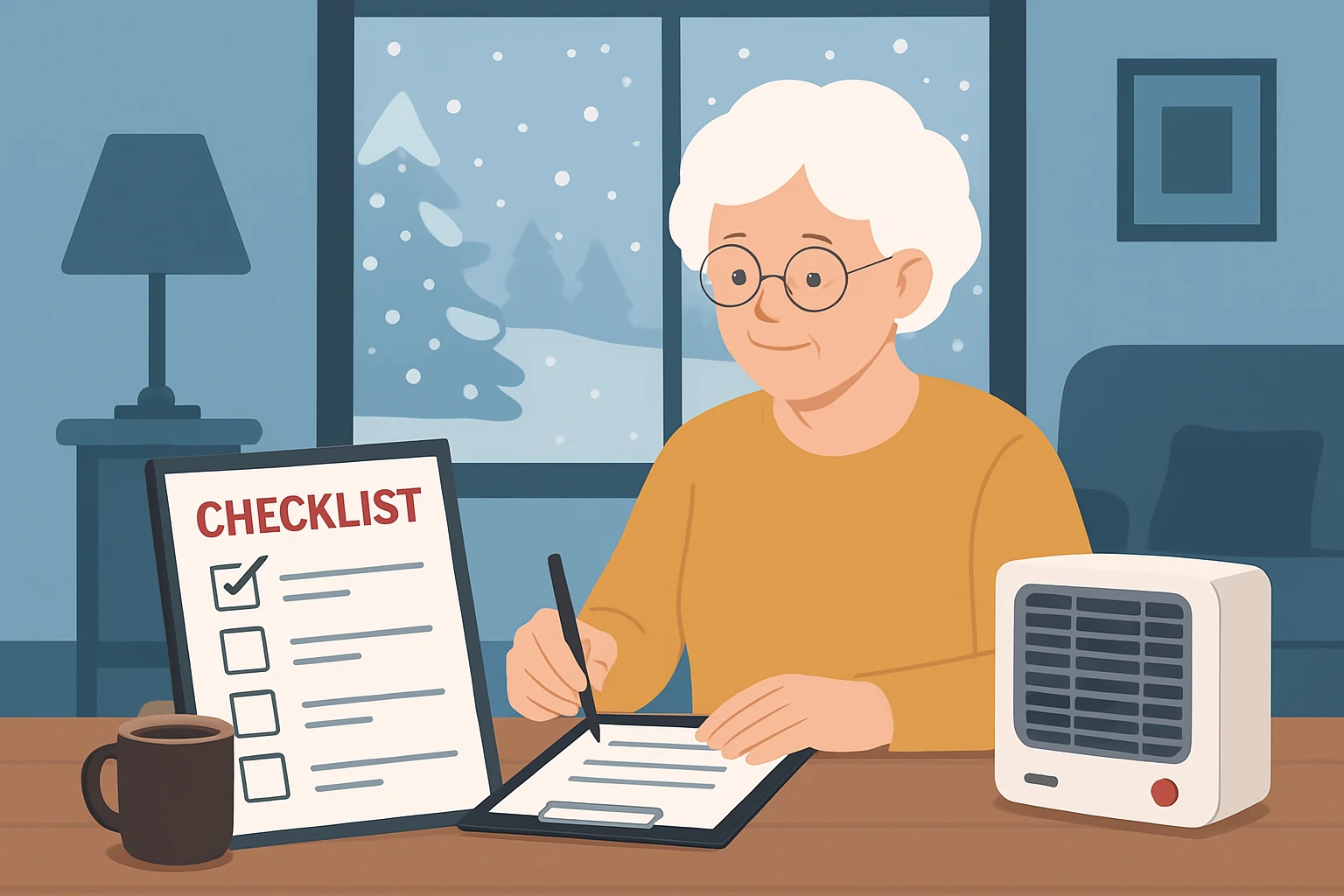
Compile all findings, tasks, and supplies into a single checklist. Use clear headings such as "Heating System," "Insulation," "Emergency Supplies," and "Communication." Assign a frequency to each item (daily, weekly, monthly). For example, test the emergency radio battery weekly, and inspect window seals monthly.
Place the printed checklist on the refrigerator or a prominent wall. If the senior uses a digital device, replicate the list in a note‑taking app that offers reminder notifications. Conduct a quarterly walkthrough with a family member or caregiver to verify that each item remains functional.
Tips & Pro Tips
- Label all emergency supplies with large, high‑contrast text to aid seniors with visual impairments.
- Store spare batteries for the radio and flashlight in a waterproof container.
- Consider a programmable thermostat with voice control to simplify temperature adjustments.
- Keep a small stock of non‑perishable, high‑energy snacks (e.g., nuts, dried fruit) in case the senior must remain indoors for extended periods.
- Install night‑time motion‑sensor lighting in hallways to reduce fall risk when moving between rooms.
Troubleshooting
| Problem | Possible Cause | Solution |
|---|---|---|
| Radio does not power on | Depleted internal battery or insufficient solar exposure | Charge the unit using the hand crank for at least five minutes, then place it in direct sunlight for thirty minutes. Verify that the USB cable is connected to a functional power source. |
| Thermal blankets appear torn | Improper storage or sharp objects nearby | Replace the damaged blanket with a spare from the kit and store all blankets in a dedicated zip‑lock bag. |
| Draft persists after sealing | Unnoticed gaps around vent covers | Apply additional weather‑stripping tape around vent edges or install vent covers with built‑in insulation. |
Conclusion
Creating an essential winter home safety checklist empowers seniors to remain independent while mitigating the dangers associated with cold weather. By assessing the home, improving insulation, assembling thermal blankets, securing a reliable communication device, and establishing a routine review, seniors can face winter with confidence. The recommended products—balaclava, thermal blanket kit, and emergency radio—offer cost‑effective, high‑quality solutions that complement the checklist without dominating it.
Products Mentioned in This Guide


Frequently Asked Questions
What are the most important items to include on a winter safety checklist for seniors living alone?
Include heating system checks, insulation improvements, emergency supplies, communication devices, and daily routine reminders.
How can seniors ensure their heating system is safe and reliable during winter?
Schedule a professional inspection, test thermostats, keep filters clean, and have a backup heat source ready.
What emergency supplies should seniors keep on hand for cold weather power outages?
Store thermal blankets, non‑perishable food, water, a battery‑powered radio, flashlights, and extra batteries.
Why is a multi‑function emergency radio important for seniors in winter?
It provides weather alerts, news, and a way to call for help when phone service or power is down.
How can seniors reduce the risk of falls on icy or slippery surfaces inside the home?
Use non‑slip mats, keep walkways clear, install grab bars, and wear warm, supportive footwear.