Introduction
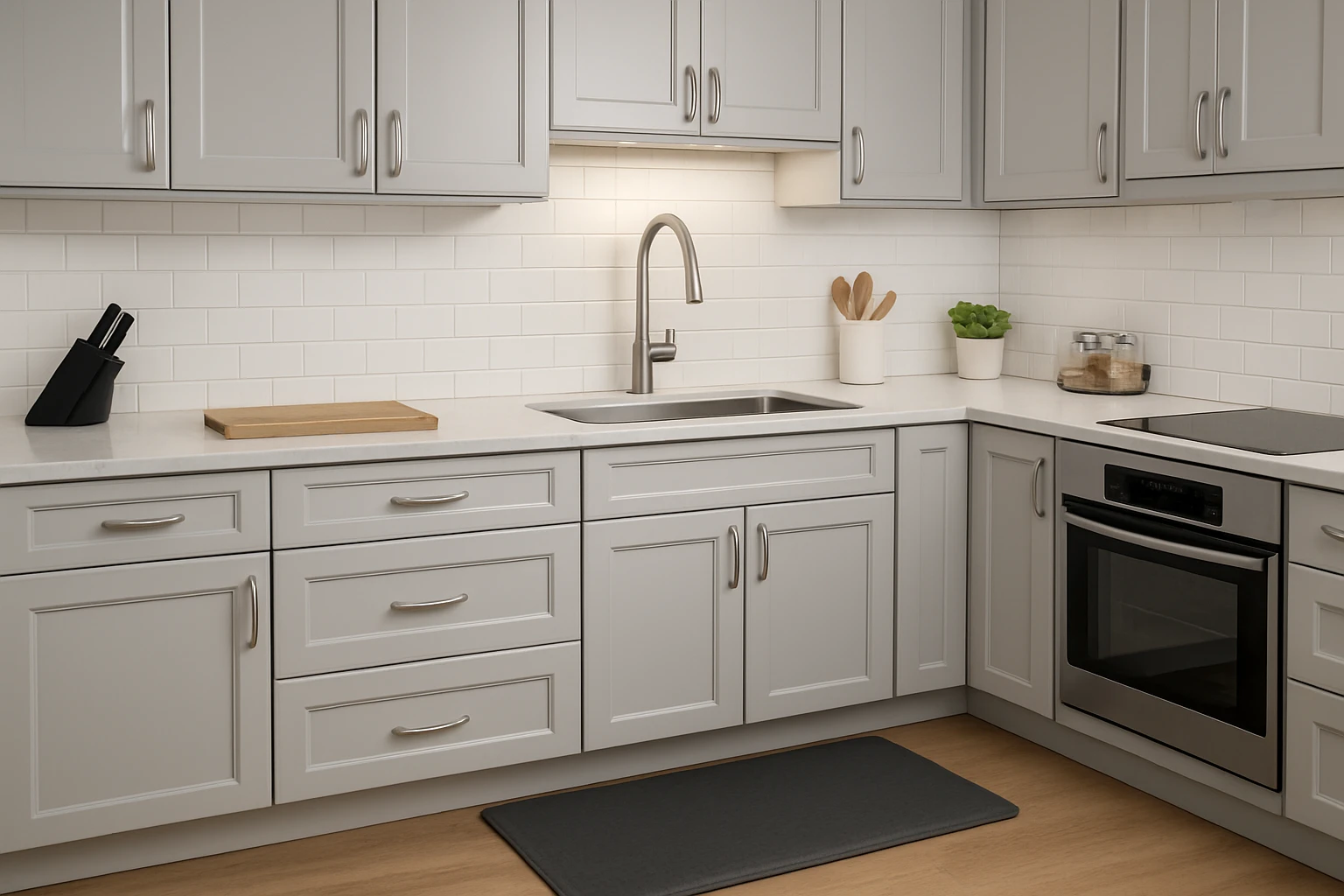
One will discover how universal design principles can transform a kitchen into a space that accommodates limited grip and arthritis challenges. This guide outlines ergonomic hardware, anti‑fatigue flooring, lighting adjustments, and organizational strategies that enhance safety and independence. Readers will learn how to evaluate products, compare specifications, and implement best practices without compromising aesthetic appeal. The information presented is grounded in current research and real‑world product performance.
Background and Context
Arthritis and reduced hand strength affect a substantial portion of the adult population, particularly individuals over fifty years of age. Grip strength decline influences routine tasks such as opening cabinets, turning knobs, and standing for extended periods. Universal design seeks to create environments that are usable by the widest possible range of people, regardless of ability. Applying these concepts to the kitchen reduces reliance on assistance and promotes a dignified cooking experience.
Ergonomic Cabinet Hardware
Traditional cabinet pulls often require a firm grasp and a twisting motion, which can exacerbate joint pain. Replacing them with low‑profile, finger‑pull handles eliminates the need for a full hand grip and distributes force across the fingertip. The LC LICTOP Silver Cabinet Finger Pulls provide a 3.15‑inch curved channel that guides the finger naturally. Constructed from aluminum alloy, the pulls combine lightweight characteristics with structural rigidity, and the 2.52‑inch center‑to‑center spacing aligns with most factory‑drilled cabinets.
- Ergonomic finger channel for one‑handed operation
- Aluminum alloy construction for strength without excess weight
- Low‑profile 1.26‑inch width maximizes interior space
- Electroplated finish resists fingerprints and complements modern décor
- Precision hole spacing simplifies installation
Installation requires only a screwdriver and the supplied screws; the concealed mounting style hides fasteners for a clean appearance. Users report reduced strain when accessing heavy drawers, and the sleek silver finish integrates with contemporary kitchen palettes. For homeowners who prefer a darker accent, the same design is available in matte black, offering a contrasting visual element while retaining functional benefits.
Anti‑Fatigue Flooring Solutions
Standing on hard surfaces for prolonged periods increases pressure on the knees, hips, and lower back, especially for individuals with limited grip who may also experience reduced balance. Anti‑fatigue mats cushion the feet, promote micro‑movement, and reduce musculoskeletal fatigue. The KitchenClouds Black Anti‑Fatigue Kitchen Mat features a high‑density PVC foam core that absorbs impact while the diamond‑shaped bottom prevents slippage.
- Soft PVC foam core delivers consistent cushioning
- Diamond‑patterned non‑slip backing enhances safety
- Beveled edges reduce tripping hazards
- Water‑resistant surface simplifies cleaning
- Neutral black color blends with diverse décor styles
The mat measures 17.3 × 28 inches, providing ample coverage for sink areas and countertop workstations. Users note that the material self‑heals minor impressions, maintaining a uniform appearance over time. For kitchens that favor a warmer aesthetic, the same mat is offered in a coffee hue, delivering comparable performance with a complementary tone.
Lighting and Countertop Adjustments
Adequate illumination reduces the need for precise hand placement when locating handles or switches. Task lighting positioned directly above work zones minimizes glare and improves visual contrast. Adjustable LED under‑cabinet strips can be installed without additional wiring, and most models feature dimmable controls to accommodate varying daylight conditions.
Countertop height also influences reachability. Standard countertop depth of 24 inches may be excessive for individuals with limited arm extension. Selecting a slightly shallower countertop or adding a removable front lip can create a more comfortable working plane. Materials such as quartz or solid surface remain durable while allowing for custom edge profiles that accommodate ergonomic accessories.
Organizational Strategies
Cluttered drawers increase the effort required to locate utensils, leading to repetitive gripping motions. Implementing pull‑out shelves, drawer dividers, and lazy‑Susan turntables organizes items within easy reach. For example, a pull‑out pantry installed at waist height eliminates the need to bend or stretch, while tiered shelves within cabinets keep frequently used items at eye level.
Weight distribution is another consideration. Storing heavy cookware in lower cabinets reduces lifting height, and using lightweight aluminum pots mitigates the load on the hands. When combined with ergonomic handles, these adjustments create a cohesive system that supports limited‑grip users throughout the kitchen workflow.
Comparison and Selection Guide
Choosing the appropriate hardware and flooring requires evaluation of several criteria. The table below compares the featured cabinet pulls and anti‑fatigue mats across key dimensions.
| Feature | LC LICTOP Silver Cabinet Finger Pulls | KitchenClouds Black Anti‑Fatigue Mat | KitchenClouds Coffee Anti‑Fatigue Mat |
|---|---|---|---|
| Primary Function | Ergonomic cabinet opening | Cushioning for standing | Cushioning for standing |
| Material | Aluminum alloy with electroplated finish | PVC foam core with rubber backing | PVC foam core with rubber backing |
| Dimensions | 3.15 in length, 1.26 in width | 17.3 × 28 in | 17.3 × 28 in |
| Weight | Lightweight (approximately 0.2 lb each) | Approximately 2 lb per mat | Approximately 2 lb per mat |
| Price (USD) | $9.02 for six | $13.48 each | $19.79 each |
| Average Rating | 4.4 / 5 (1,858 reviews) | 4.4 / 5 (21,309 reviews) | 4.4 / 5 (21,309 reviews) |
| Installation | Simple screw‑in; no tools beyond screwdriver | Unroll and place; optional adhesive strips | Unroll and place; optional adhesive strips |
| Best Use Case | Cabinets, drawers, wardrobes with limited clearance | Kitchen sinks, prep stations, standing desks | Same as black variant, preferred for warm décor |
For users whose primary challenge is opening cabinetry, the LC LICTOP pulls deliver the greatest functional benefit at minimal cost. When standing fatigue is the dominant concern, the KitchenClouds mats provide therapeutic support, with the coffee color offering a design alternative for lighter interiors.
Best Practices and Tips
- Assess grip strength using a dynamometer before selecting hardware; this informs the required pull force.
- Install cabinet pulls at a height that aligns with the user’s natural elbow angle, typically 36‑38 inches from the floor.
- Place anti‑fatigue mats on level surfaces; uneven flooring can negate cushioning benefits.
- Secure mat edges with double‑sided tape in high‑traffic areas to prevent movement.
- Combine lighting upgrades with reflective backsplash tiles to increase ambient illumination without glare.
- Regularly inspect hardware for wear; replace worn screws to maintain structural integrity.
- Use silicone‑based cleaners on metal pulls to preserve the electroplated finish.
Frequently Asked Questions
What size cabinet pull is optimal for shallow drawers?
Shallow drawers benefit from a pull length of 2.5‑3 inches; the 3.15‑inch LC LICTOP pulls provide sufficient leverage while remaining unobtrusive.
Can anti‑fatigue mats be used on tile floors?
Yes; the non‑slip rubber backing adheres to ceramic, porcelain, and stone tiles, preventing movement during prolonged standing.
How often should ergonomic hardware be replaced?
Hardware should be inspected annually; signs of loosening, corrosion, or surface wear indicate the need for replacement.
Do the mats affect wheelchair maneuverability?
The mats are thin enough to allow smooth rolling while still providing cushioning; however, users should verify clearance in tight spaces.
Is the coffee‑colored mat more prone to staining?
The coffee hue masks minor stains better than lighter colors, and the water‑resistant surface facilitates quick cleaning.
Conclusion
One can create a kitchen that respects limited grip by integrating ergonomic hardware, supportive flooring, thoughtful lighting, and organized storage. The products highlighted demonstrate how modest investments yield measurable improvements in comfort and safety. By applying the selection criteria and best‑practice recommendations outlined in this guide, readers will be equipped to design kitchens that empower individuals with arthritis or reduced hand strength to maintain independence.
Products Featured in This Guide
LC LICTOP Silver Cabinet Finger Pulls
Price: $9.02 | Rating: 4.4/5 (1,858 reviews)
Featured for providing an ergonomic, low‑profile solution that reduces the need for a full hand grip when opening cabinets and drawers.
KitchenClouds Black Anti‑Fatigue Kitchen Mat
Price: $13.48 | Rating: 4.4/5 (21,309 reviews)
Featured for delivering cushioning and slip resistance that alleviates fatigue for users who must stand for extended periods.
KitchenClouds Coffee Anti‑Fatigue Kitchen Mat
Price: $19.79 | Rating: 4.4/5 (21,309 reviews)
Featured as a design‑compatible alternative to the black mat, offering the same ergonomic benefits with a warm colour palette.