Introduction
This guide explains how one can choose non‑slip socks that protect seniors with diabetes from foot injuries and falls. It outlines the critical factors of fit, fabric, and grip technology while recommending reliable products. Readers will understand why proper sock selection matters for circulation, neuropathy, and daily mobility. By following the step‑by‑step instructions, one can make an informed purchase that enhances safety and comfort.
What You’ll Need
- Measuring tape or a soft ruler to determine foot length and circumference.
- Access to a clean, flat surface for evaluating sock grip on various floor types.
- One or more of the recommended non‑slip socks, such as CaiDieNu Non Slip Socks, Horuru Non Slip Grip Socks, Doctor's Select Diabetic Ankle Socks, or Brooklyn Non‑Skid Diabetic Crew Socks.
- Optional: a mild soap solution for testing sock material reaction on skin.
Step 1: Assess Foot Health and Specific Needs
The first step is to examine the senior’s feet for signs of neuropathy, swelling, or calluses. Look for reduced sensation, which is common in diabetic patients and increases the risk of unnoticed injuries. If the feet exhibit edema, choose socks that offer a loose, non‑binding knit to avoid constriction. Selecting a sock with a cushioned sole can also mitigate pressure points during prolonged standing.
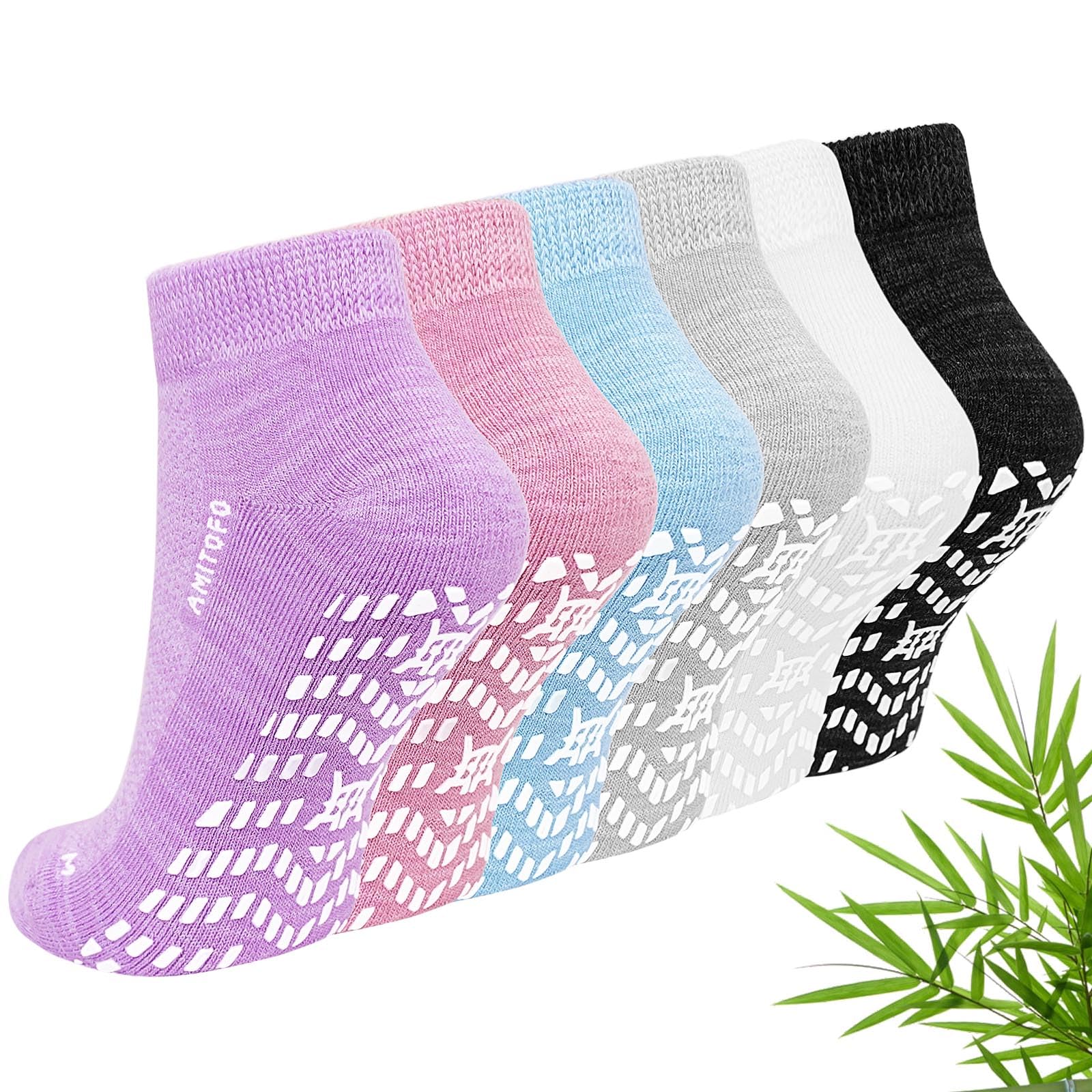
For seniors who require extra protection during hospital stays or home care, the CaiDieNu Non Slip Socks provide a low‑cut design that fits under most footwear while offering a silicone grip on the heel and toe. Priced at $17.98 and rated 4.2 stars from 63 reviews, these socks are specifically marketed for elderly and pregnant users who need gentle support without excessive compression.
Step 2: Determine the Correct Size and Length
Accurate sizing prevents bunching, which can create friction and increase the likelihood of blisters. Measure the foot from the heel to the longest toe, then compare the measurement to the manufacturer’s size chart. Many diabetic sock brands list sizes in ranges such as Small (5‑7 inches) or Medium (7‑9 inches). Choose a size that allows a fingertip of space between the sock edge and the skin.
The Horuru Non Slip Grip Socks come in a unisex crew length that accommodates both men and women, making them versatile for households with multiple seniors. At $12.74 and a 4.5‑star rating from 544 reviews, these socks are praised for their true‑to‑size fit and easy pull‑on design, which is essential for individuals with limited dexterity.
Step 3: Choose Breathable, Moisture‑Wicking Fabric
Diabetic feet are prone to excessive moisture, which can foster fungal infections. Look for socks made from blended fibers such as cotton, polyester, and spandex that promote airflow while retaining shape. Moisture‑wicking technology draws sweat away from the skin, keeping the foot dry throughout the day.
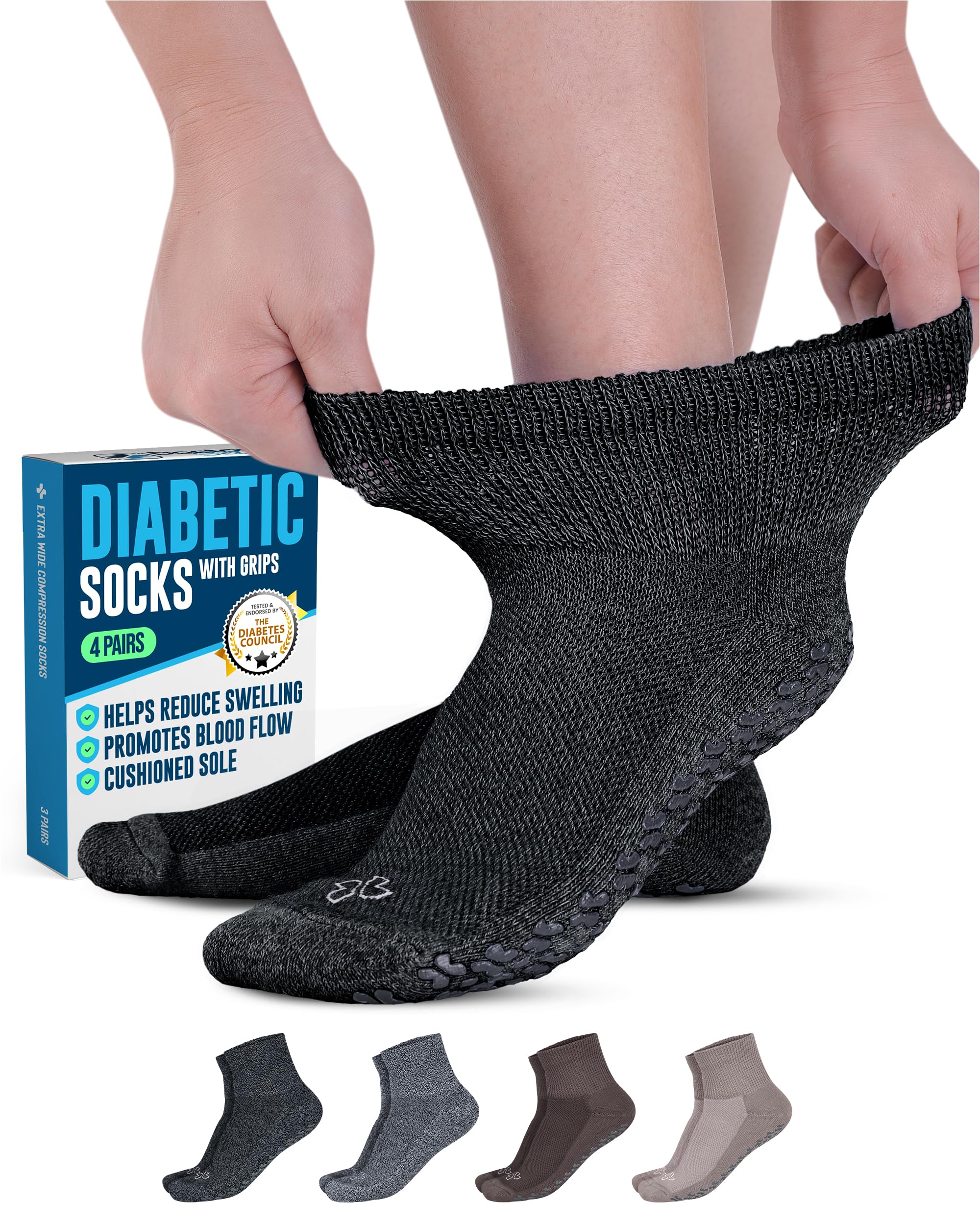
The Doctor's Select Diabetic Ankle Socks feature a soft cotton‑polyester blend that balances comfort with durability. Priced at $19.95 for four pairs and earning a 4.6‑star rating from 3,766 reviews, these socks are specifically engineered for neuropathy patients and have received commendations for their breathable construction.
Step 4: Evaluate Grip Technology and Slip Resistance
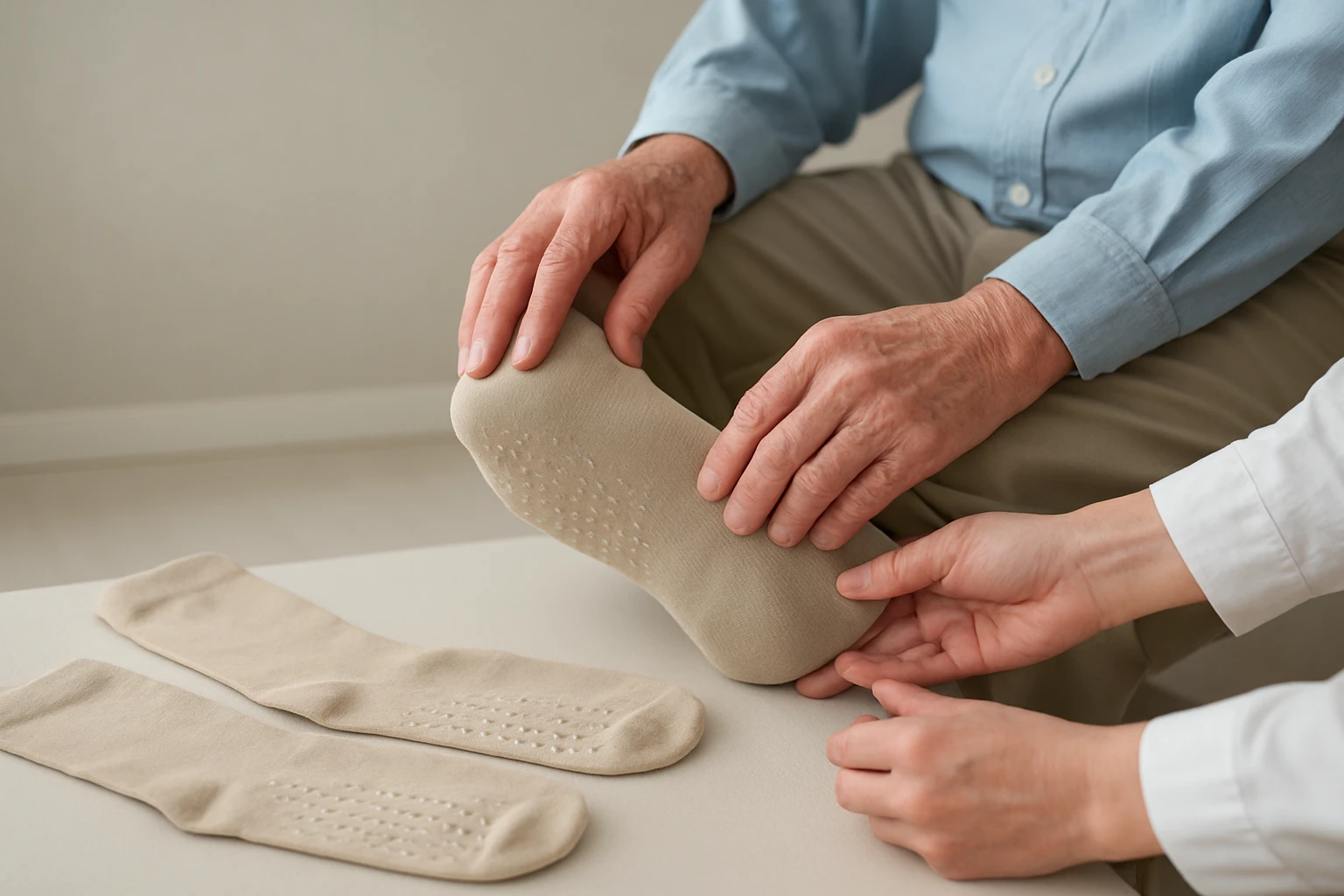
Effective grip patterns prevent the foot from sliding inside the shoe and reduce the chance of slipping on smooth floors. Silicone dots, rubberized tread, or textured knit zones are common solutions. Test the grip by pressing the sole of the sock against hardwood, tile, and vinyl surfaces; the sock should remain firmly in place without sliding.
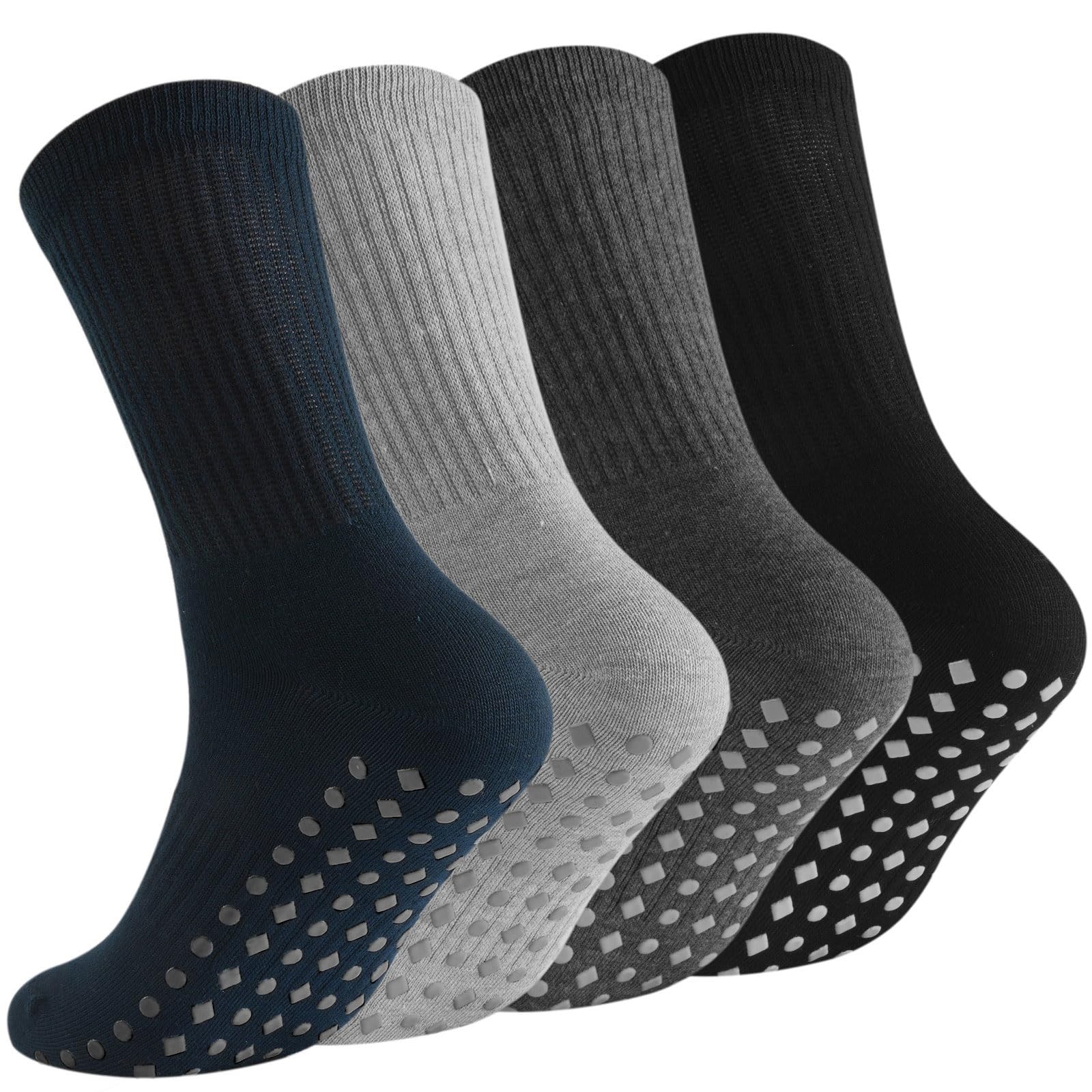
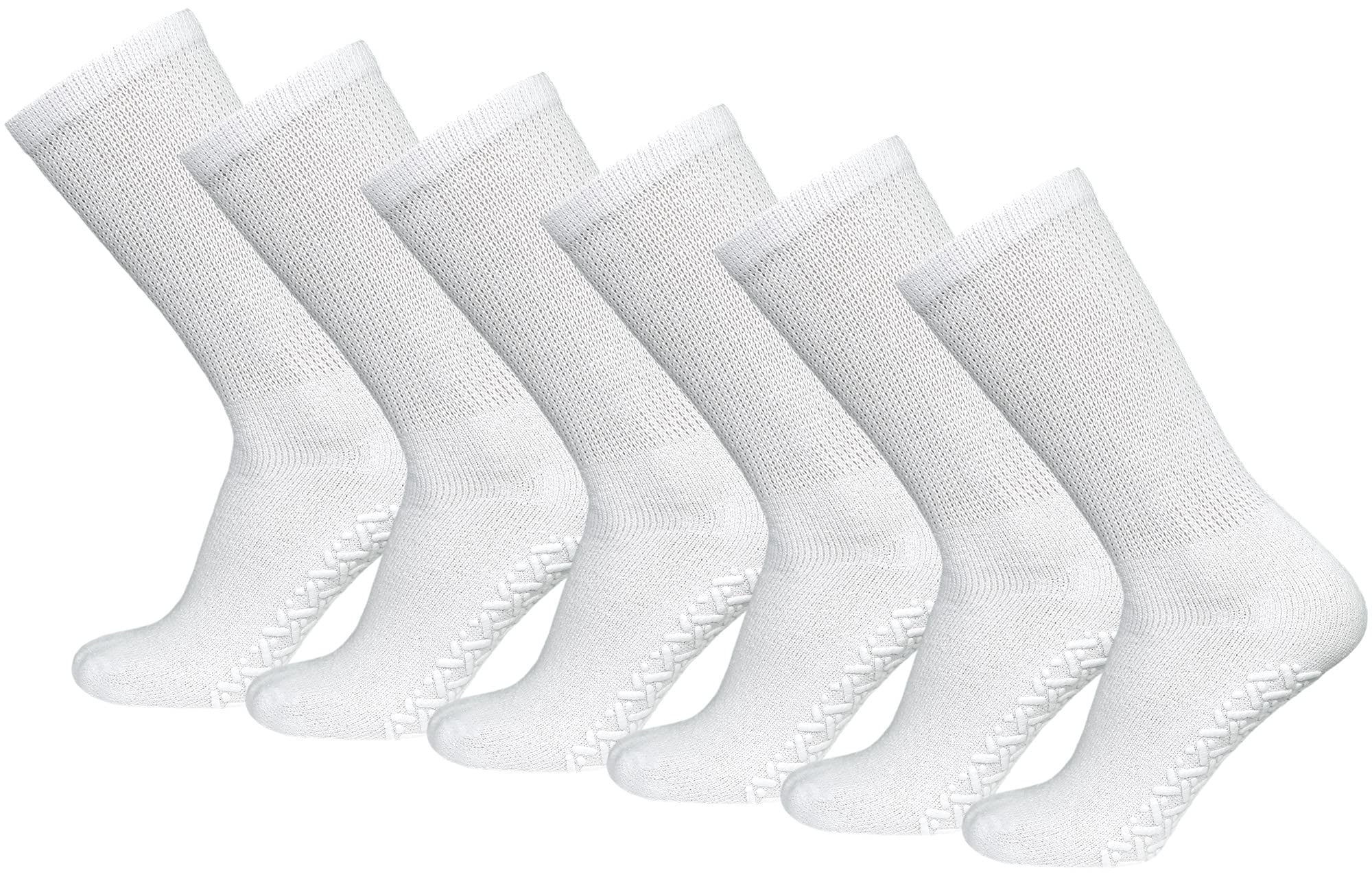
The Brooklyn Non‑Skid Diabetic Crew Socks incorporate a slip‑resistant tread that offers superior traction on polished floors. At $17.99 and a 4.5‑star rating from 2,617 reviews, these socks are praised for their “cushioned comfort” and the ability to stay anchored during quick movements, making them an excellent choice for seniors who walk frequently in the kitchen or bathroom.
Step 5: Test Comfort, Ease of Wear, and Maintenance
After selecting a candidate pair, have the senior try them on for a short period to assess comfort. The sock should glide on without excessive pulling and should not create a pinching sensation at the ankle. Check that the seam placement does not irritate sensitive skin, especially around the heel and toe area.
All recommended products are machine washable, but it is advisable to follow the care instructions to preserve the grip coating. For example, the CaiDieNu Non Slip Socks recommend a gentle cycle with cold water and air drying to maintain silicone grip integrity. Proper maintenance extends the functional life of the socks, ensuring continued protection.
Tips & Pro Tips
- Rotate multiple pairs of socks throughout the week to allow each pair to fully dry and retain its elasticity.
- Pair non‑slip socks with shoes that have a snug heel cup; this combination maximizes stability on slippery surfaces.
- Inspect socks weekly for signs of wear on the grip zones; replace them when the silicone or tread begins to peel.
- Consider socks with antimicrobial treatment if the senior is prone to foot infections.
- For outdoor use, choose socks with reinforced toe and heel sections to withstand rough terrain.
Troubleshooting
Problem: The sock slides inside the shoe despite having a non‑slip sole.
Solution: Verify that the shoe size is appropriate; a shoe that is too large will negate the sock’s grip. Additionally, ensure the sock’s grip pattern aligns with the shoe’s interior surface. If the issue persists, switch to a crew‑length sock such as the Horuru Non Slip Grip Socks, which provide additional coverage over the ankle.
Problem: The senior experiences itching or rash after wearing the socks.
Solution: Confirm that the material is not too tight and that there are no seams directly against sensitive skin. Opt for a seamless or low‑seam design like the Doctor's Select Diabetic Ankle Socks, which are engineered for minimal irritation.
Conclusion
Choosing the right non‑slip socks for seniors with diabetes involves careful assessment of foot health, accurate sizing, breathable fabric selection, and reliable grip technology. By following the steps outlined in this guide, one can confidently select socks that reduce fall risk, enhance comfort, and support overall foot hygiene. The recommended products—CaiDieNu Non Slip Socks, Horuru Non Slip Grip Socks, Doctor's Select Diabetic Ankle Socks, and Brooklyn Non‑Skid Diabetic Crew Socks—represent proven options that meet these criteria. Implementing the tips and troubleshooting advice will further ensure long‑term satisfaction and safety.
Products Mentioned in This Guide
Frequently Asked Questions
What features should I look for in non‑slip socks for seniors with diabetes?
Choose socks with a secure, non‑tight fit, moisture‑wicking fabric, and a reliable silicone or rubber grip on the sole.
How does proper fit affect circulation and neuropathy risk?
A well‑fitted sock avoids constriction that can impair blood flow and reduces friction that may aggravate neuropathic skin.
Are specific fabrics better for diabetic foot health?
Breathable, moisture‑wicking fibers like bamboo or merino wool keep feet dry and lower the chance of fungal infections.
How can I test the grip of a sock before buying?
Place the sock on a flat surface and press firmly; the sole should stay in place without sliding when you push it sideways.
Can non‑slip socks help prevent falls for elderly diabetics?
Yes, the added traction reduces slipping on smooth floors, supporting safer daily mobility.