Introduction
Winter temperatures pose a serious risk to bathroom plumbing, especially in homes where elderly occupants may have limited ability to respond quickly to emergencies. This guide explains how to protect bathroom pipes from freezing, reduce the likelihood of costly water damage, and maintain a safe environment for senior residents. Readers will learn a systematic approach that combines visual assessment, insulation, sealing, and ongoing maintenance. The information is valuable because it reduces stress, preserves property value, and safeguards the health of vulnerable occupants.
What You'll Need
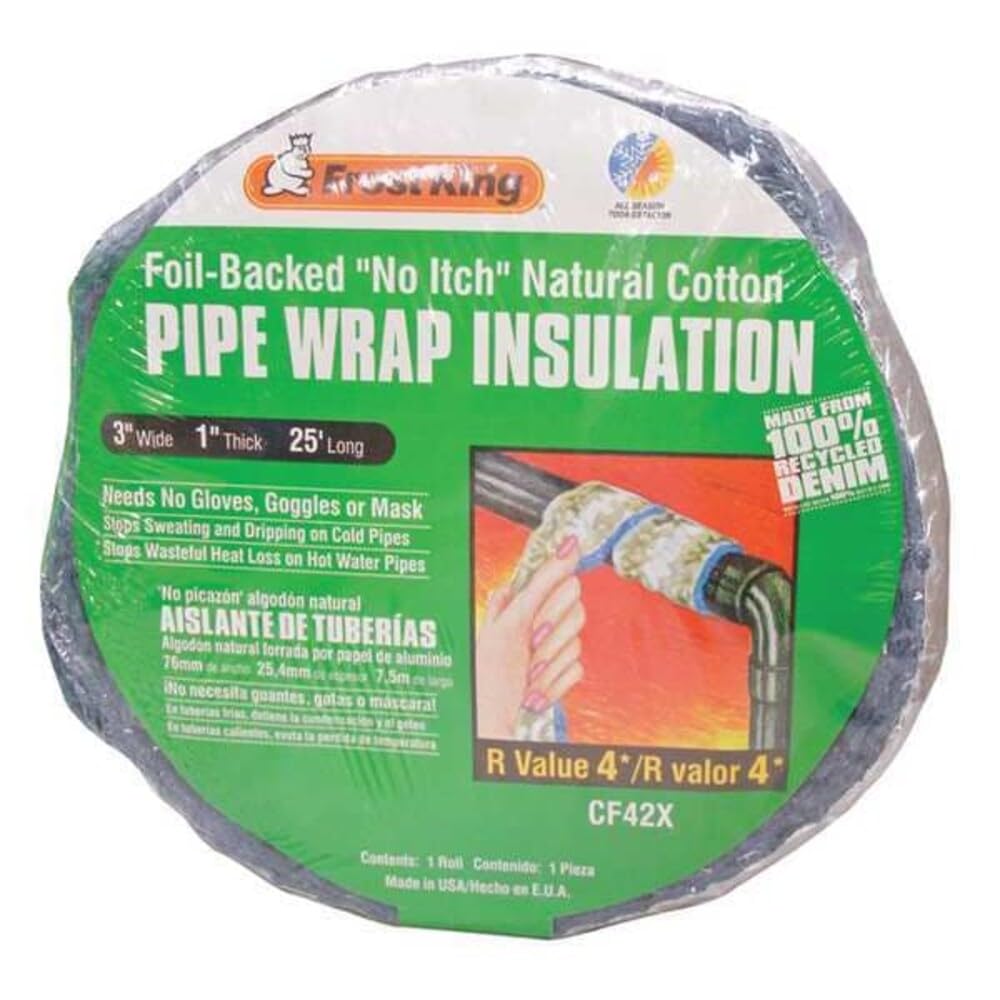
- Foil‑backed natural cotton pipe wrap (recommended: Frost King Cotton Pipe Wrap)
- Silicone‑based caulk
- Weather‑stripping tape
- Pipe‑insulating foam sleeves
- Electric heating tape (optional for extreme climates)
- Adjustable wrench
- Utility knife
- Protective gloves and safety glasses (optional for additional protection)
Step 1: Conduct a Visual Inspection
Begin by turning off the water supply to the bathroom and draining any remaining water from the lines. Examine exposed pipes for signs of corrosion, cracks, or previous insulation that may be degraded. Identify locations where pipes run through unheated spaces such as crawl spaces, exterior walls, or near exterior windows. Document each vulnerable spot so that the subsequent insulation process can be performed methodically.
Step 2: Apply Insulation to Exposed Pipes
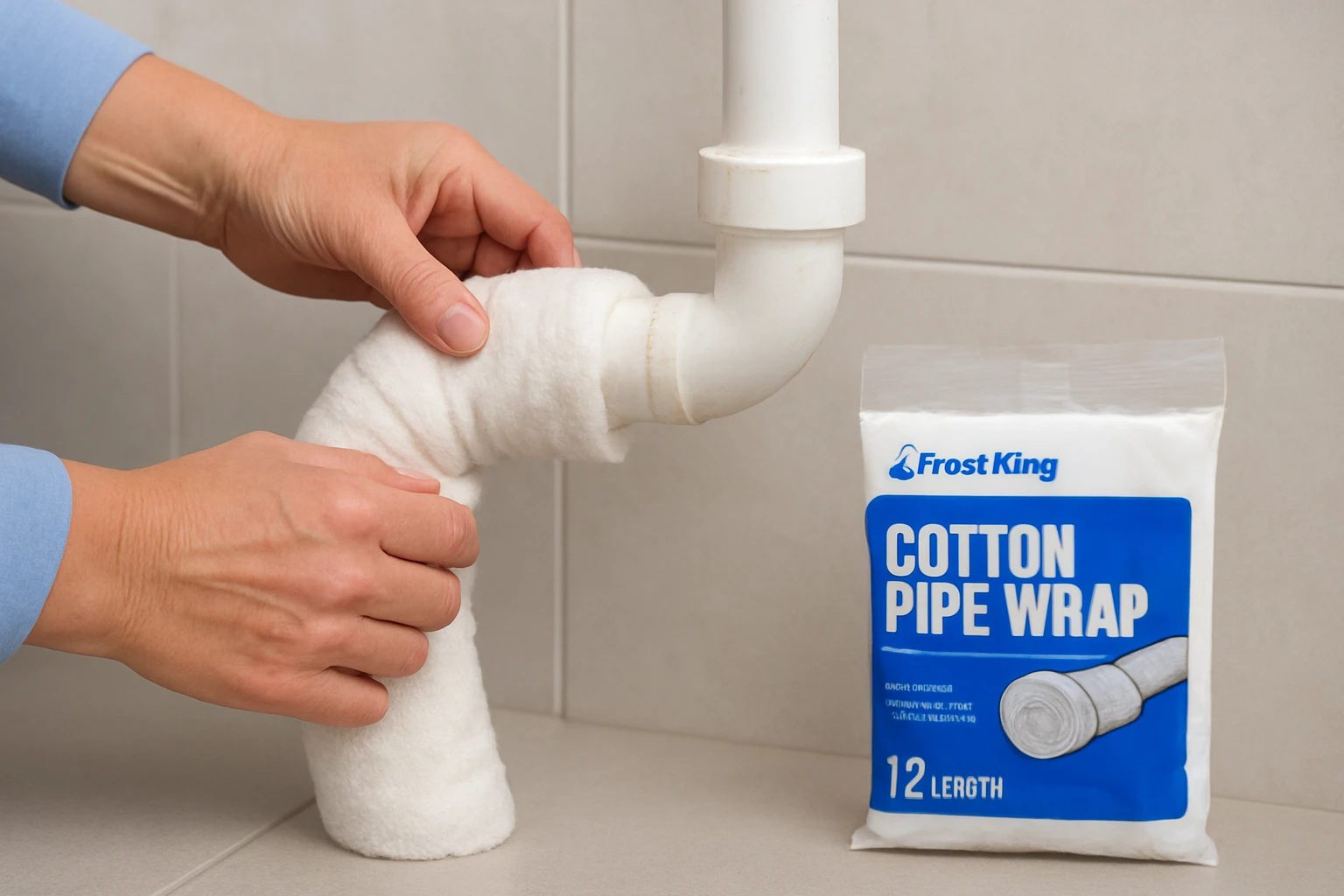
Insulating pipes is the most effective method to retain heat and prevent freezing. Cut sections of the foil‑backed natural cotton pipe wrap to lengths that match each pipe segment, allowing a small overlap at the ends for continuous coverage. The recommended product, Frost King Cotton Pipe Wrap, offers several advantages: it provides maximum insulating power, eliminates the need for gloves, face masks, or goggles because it is non‑itchy, and carries a Class A fire rating for safety. Each roll costs $11.10 and holds a rating of 4.5 out of 5 stars based on 2,121 reviews, indicating broad customer satisfaction. Secure the wrap tightly with the built‑in adhesive backing, ensuring that no gaps remain where cold air could penetrate.
Step 3: Seal Gaps and Cracks in the Surrounding Structure
Even well‑insulated pipes can lose heat if surrounding walls or floors contain drafts. Apply silicone‑based caulk to seal gaps around pipe penetrations, especially where pipes pass through exterior walls. Use weather‑stripping tape on doors and windows that lead to the bathroom to reduce overall temperature fluctuations. This step complements the pipe insulation by creating a barrier that limits cold air infiltration, thereby enhancing the overall thermal performance of the system.
Step 4: Install Supplemental Heating Elements (If Required)
In regions where ambient temperatures regularly drop below 20°F, supplemental heating tape may be necessary. Choose an electric heating tape that automatically shuts off when the pipe reaches a safe temperature, preventing overheating. Wrap the heating tape around the most exposed pipe sections before applying the cotton pipe wrap, allowing the insulation to retain the generated heat. Verify that the heating tape complies with local electrical codes and that a qualified electrician performs any required electrical connections.
Step 5: Test the System and Establish a Maintenance Routine
After completing insulation and sealing, restore the water supply and run warm water through each faucet for several minutes. Observe the insulated sections for any signs of condensation or temperature loss. Use a handheld infrared thermometer to confirm that pipe surface temperatures remain above the freezing point. Establish a routine that includes monthly visual checks, especially after severe cold spells, to ensure that insulation remains intact and that no new gaps have formed.
Tips & Pro Tips
- Schedule insulation work during a period of mild weather to avoid rushed installation.
- When cutting pipe wrap, use a utility knife with a fresh blade to achieve clean edges that fit snugly.
- For homes with multiple bathrooms, label each insulated pipe segment with a durable tag to simplify future inspections.
- Consider installing a temperature sensor that alerts caregivers if pipe temperatures approach the freezing threshold.
- Never use duct tape as a substitute for proper pipe insulation; it does not provide reliable thermal protection.
Troubleshooting
Problem: Ice forms on pipe surfaces despite insulation.
Solution: Verify that the wrap was applied without gaps and that the adhesive backing adhered fully to the pipe surface. Check for hidden drafts near the pipe that may require additional caulking or weather‑stripping.
Problem: Water leaks appear after winter.
Solution: Inspect the joints for signs of expansion caused by frozen water. Replace any compromised fittings and re‑apply insulation, ensuring that the pipe wrap does not compress the joints excessively.
Conclusion
This guide has presented a clear, step‑by‑step methodology for winterproofing bathroom plumbing in elderly homes. By conducting a thorough inspection, applying high‑quality insulation such as Frost King Cotton Pipe Wrap, sealing structural gaps, and, if necessary, installing supplemental heating, caregivers can significantly reduce the risk of frozen pipes. Regular testing and maintenance will ensure that the protective measures remain effective throughout the cold season, providing peace of mind for both residents and property managers.
Products Mentioned in This Guide

Frequently Asked Questions
What is the first step to inspect bathroom pipes before winter?
Turn off the water supply, then visually check all exposed pipes for cracks, corrosion, or areas lacking insulation.
Which insulation material is most effective for bathroom pipes in elderly homes?
Foil‑backed natural cotton pipe wrap provides strong thermal protection while being easy to install.
How does silicone‑based caulk help prevent frozen pipes?
It seals gaps around pipe penetrations, stopping cold air drafts that can cause pipe surfaces to drop below freezing.
When should I choose electric heating tape over foam sleeves?
Use heating tape in extremely cold climates or for pipes that are difficult to fully encase with foam sleeves.
How often should I perform maintenance checks during winter?
Inspect insulation and seals monthly, and after any severe cold snap, to ensure continued protection.