Introduction
Pressure sores represent a serious health risk for individuals who spend extended periods seated on bedside commodes. The constant pressure on vulnerable tissue can lead to discomfort, reduced mobility, and costly medical treatment. Selecting a seat cushion that distributes weight evenly and provides cooling or breathable support is therefore essential for both caregivers and patients.
Modern cushion technology combines gel, foam, and silicone layers to create a micro‑environment that reduces shear forces while maintaining skin integrity. This guide examines the most effective cushion options available on Amazon, explains how each design addresses specific clinical needs, and offers practical advice for making an informed purchase.
Top 10 Pressure‑Relief Seat Cushions for Bedside Commodes
- Large‑Format Gel Cushion for Extended Use
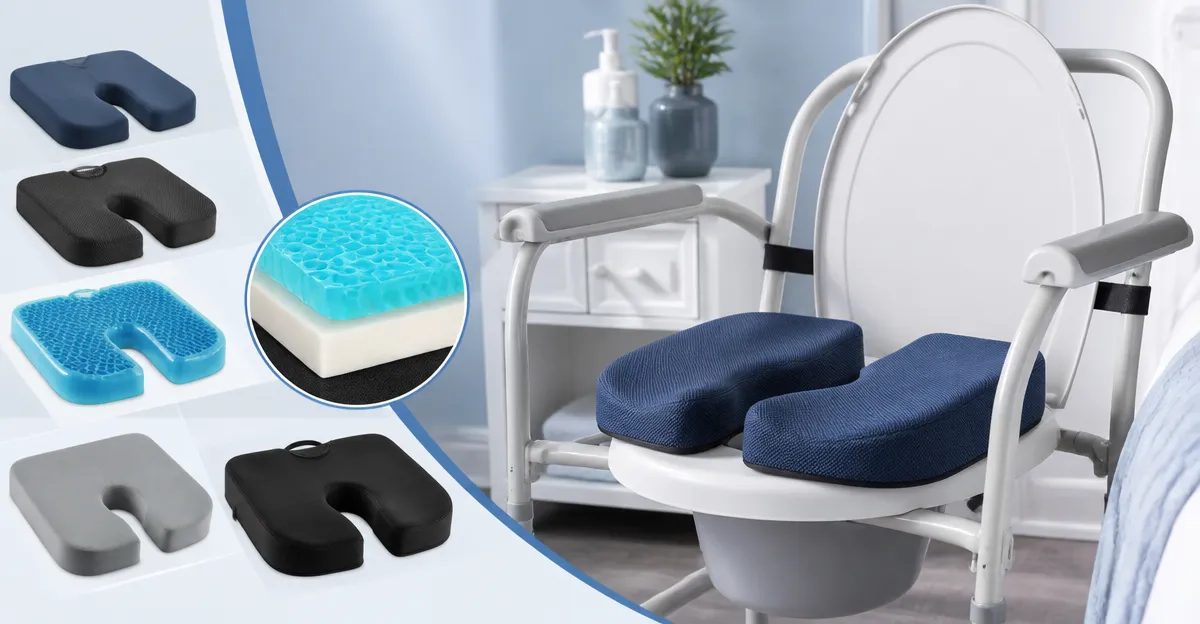
For patients who require prolonged sitting, a cushion with generous dimensions and substantial thickness can prevent localized pressure points. The Abroca Double‑Thick Cooling Gel Seat Cushion measures 16.5 x 14.5 x 1.6 inches, offering a broad surface area that accommodates a wide range of body types. Its double‑thick gel core distributes weight evenly, reducing the risk of coccyx and sacral sores.
The cushion incorporates thousands of air‑filled gel columns that promote airflow, keeping the skin cool and dry. This breathable structure is particularly beneficial in warm climates or for users who perspire heavily during transfers. The removable, non‑slip cover features a zippered design, allowing machine washing without compromising the cushion’s integrity.
Because the cushion is lightweight (2.4 lb) yet sturdy, it can be moved between the bedroom, living room, and even the vehicle, making it a versatile solution for home‑bound patients and frequent travelers alike.
- Silicone Dressing for Targeted Sacral Support
When a patient already exhibits early‑stage pressure ulcers, a specialized dressing can provide immediate relief while the underlying cushion works to prevent further damage. The NEUHEILS 7x7 Sacrum Silicone Dressing is a 5‑piece pack designed to fit the sacral region precisely, offering high absorbency and a gentle silicone contact layer.
Its foam pad locks wound exudate, minimizing skin maceration, while the silicone border reduces trauma during dressing changes. The design maintains a moist wound environment, which is known to accelerate healing according to clinical research.
Each pad is latex‑free, making it suitable for patients with sensitivities, and the pack’s moderate price of $17.99 ensures that caregivers can maintain a supply without excessive expense.
- Dual‑Layer Gel and Memory Foam Hybrid
Combining the cooling properties of gel with the contouring comfort of memory foam creates a hybrid cushion that adapts to the user’s shape while dispersing pressure. Although the Abroca cushion already provides a thick gel layer, pairing it with a thin memory‑foam topper can enhance lumbar support for users with chronic lower‑back pain.
This approach leverages the gel’s breathability and the foam’s ability to conform to bony prominences, thereby reducing the likelihood of numbness in the buttock muscles during extended commode sessions.
Caregivers can easily place a removable memory‑foam layer on top of the Abroca cushion, securing it with a fitted strap to prevent shifting.
- Portable Inflatable Cushion with Gel Core
Patients who travel frequently or require a cushion that can be stored compactly benefit from an inflatable design that incorporates a gel core for added comfort. An inflatable cushion can be deflated for transport, then reinflated and combined with the gel core to achieve a balance between firmness and softness.
This configuration reduces the risk of pressure buildup on the sacrum during long trips, whether by car, airplane, or train, and it can be used on a variety of seating surfaces, including wheelchair seats and car seats.
When paired with the Abroca cushion’s non‑slip cover, the inflatable base remains stable, preventing unwanted movement that could otherwise increase shear forces.
- Antimicrobial Foam Cushion for Sensitive Skin
Patients with compromised immune systems or skin conditions require cushions treated with antimicrobial agents to inhibit bacterial growth. While the NEUHEILS dressing already offers a silicone layer that minimizes trauma, adding an antimicrobial foam pad beneath the cushion can further protect the skin.
Such pads are often infused with silver ions or copper fibers, which have proven efficacy against common pathogens. The combination of antimicrobial protection and the gel’s pressure‑relieving properties creates a comprehensive barrier against infection and ulcer formation.
Caregivers should verify that any antimicrobial additive is compatible with the cushion’s cover material to avoid degradation over time.
- Adjustable Height Cushion for Optimal Posture
Maintaining proper pelvic alignment while seated on a bedside commode reduces shear and improves blood circulation. An adjustable‑height cushion allows the user to raise or lower the seat surface to match the height of the commode’s armrests, promoting a neutral spine position.
When used in conjunction with the Abroca gel cushion, the adjustable base can be set to a height that aligns the hips and knees at a 90‑degree angle, a posture recommended by physical‑therapy guidelines for pressure‑sore prevention.
Many adjustable bases feature a quick‑release lever, enabling caregivers to modify the height without disturbing the patient.
- Water‑Resistant Cushion Cover for Moisture Management
Excess moisture is a primary contributor to skin maceration and subsequent ulcer development. A water‑resistant cover placed over the gel cushion creates a barrier that repels spills, urine, and sweat while still allowing airflow.
The Abroca cushion’s detachable cover can be replaced with a waterproof variant that retains the same zippered convenience. This upgrade is especially valuable in hospice settings where incontinence is common.
Regular laundering of the cover, combined with the cushion’s breathable gel core, maintains a dry micro‑environment essential for skin health.
- Ergonomic Contour Cushion for Wheelchair Transfer
Patients who transition between a bedside commode and a wheelchair benefit from a cushion that supports both sitting positions. An ergonomic contour cushion with a dip in the center aligns the pelvis and reduces pressure on the sacrum during transfers.
When the Abroca gel cushion is positioned on top of a contoured base, the combined layers provide a stable yet cushioned surface that minimizes the need for frequent repositioning.
This setup is particularly useful for individuals with limited mobility, as it reduces the effort required to shift weight and thereby lowers the risk of shear‑related tissue damage.
- Heat‑Reflective Cushion for Cold Environments
In colder climates, reduced blood flow can exacerbate tissue breakdown. A heat‑reflective layer placed beneath the gel cushion helps retain body warmth, promoting circulation in the sacral area.
Materials such as aluminized polyester or thin reflective foils are lightweight and do not interfere with the gel’s pressure‑distribution capabilities. This addition is valuable for patients who use bedside commodes in unheated rooms or during winter months.
When combined with the breathable design of the Abroca cushion, the heat‑reflective layer ensures that warmth is maintained without trapping excess moisture.
- Integrated Pressure‑Mapping System for Clinical Monitoring
Advanced caregivers may wish to monitor pressure distribution in real time. Some cushion systems incorporate sensors that map pressure points and transmit data to a smartphone app. While the products listed do not include built‑in sensors, a compatible pressure‑mapping overlay can be placed atop the Abroca gel cushion.
This technology alerts caregivers when pressure exceeds safe thresholds, prompting repositioning before tissue damage occurs. The data can also be recorded for documentation in medical records.
Integrating a sensor‑enabled overlay with the proven comfort of the gel cushion creates a powerful hybrid solution for high‑risk patients.
Comparison Table
| Feature | Abroca Double‑Thick Cooling Gel Seat Cushion | NEUHEILS 7x7 Sacrum Silicone Dressing (5pc) |
|---|---|---|
| Primary Function | Pressure redistribution and cooling for seated users | High‑absorbency wound dressing for sacral ulcers |
| Dimensions | 16.5 × 14.5 × 1.6 inches | 7 × 7 inches (pad size 4.9 × 5.3 inches) |
| Weight | 2.4 lb | Not specified |
| Material | Elastic gel with air columns, removable non‑slip cover | Silicone foam with gentle adhesive border |
| Price (USD) | Not listed | $17.99 |
| Washability | Machine‑washable cover | Single‑use disposable pads |
| Ideal Setting | Home, office, vehicle, bedside commode | Clinical wound care for sacral pressure ulcers |
Conclusion
Preventing pressure sores on bedside commodes requires a multifaceted approach that combines proper cushion selection, skin‑care protocols, and regular repositioning. The Abroca Double‑Thick Cooling Gel Seat Cushion offers a robust foundation for weight distribution, breathability, and ease of maintenance, while the NEUHEILS 7x7 Sacrum Silicone Dressing provides targeted wound protection for patients already experiencing early‑stage ulceration.
By integrating complementary accessories—such as adjustable bases, waterproof covers, and pressure‑mapping overlays—caregivers can tailor a comprehensive solution that addresses individual risk factors. The recommendations presented in this guide empower readers to make evidence‑based decisions, ultimately enhancing comfort and reducing the incidence of painful pressure injuries.
Products Mentioned in This Article
Frequently Asked Questions
What features should I look for in a pressure‑relief seat cushion for a bedside commode?
Choose a cushion with gel or memory foam layers, adequate thickness, breathable or cooling material, and a size that fits the commode seat fully.
How does a double‑thick gel cushion reduce the risk of pressure sores?
The extra thickness distributes weight over a larger area and the gel conforms to body contours, lowering peak pressure and shear forces.
Can a pressure‑relief cushion improve skin integrity for long‑term users?
Yes, by maintaining a micro‑environment that reduces moisture buildup and friction, it helps keep skin healthy during prolonged sitting.
Are cooling or breathable cushions necessary for patients with limited mobility?
Cooling and breathable designs help regulate temperature and wick away sweat, which further prevents skin breakdown in immobile patients.
How do I ensure the cushion I buy fits my bedside commode correctly?
Measure the commode seat dimensions and compare them to the cushion’s specifications, ensuring full coverage without overhang.