
The Ultimate Guide to ADA‑Compliant Sink Modifications for Home Bathrooms: Specs, Costs & DIY
Introduction
This guide explains how homeowners can adapt bathroom sinks to meet the requirements of the Americans with Disabilities Act (ADA). It covers essential specifications, cost considerations, and step‑by‑step DIY methods. Readers will learn which design features matter most for accessibility and how to select products that simplify the renovation process. By the end of the article, one will be equipped to create a safe, functional, and aesthetically pleasing bathroom space.
Background and Context
The ADA establishes clear standards for sink height, clearance, and reachability to ensure that individuals with mobility impairments can use bathroom fixtures independently. A compliant sink typically has a maximum height of 34 inches, a minimum clear floor space of 30 inches by 48 inches, and a forward reach of no more than 48 inches. In addition, the faucet must be operable with one hand and not require tight grasping or pinching.
Understanding these criteria is essential before selecting a sink or planning a modification. Many manufacturers now produce wall‑mounted or vanity‑mounted sinks that already incorporate ADA‑friendly dimensions. However, existing fixtures can be retrofitted with accessories such as extended faucet levers, grab bars, and custom mounting brackets.
Cost varies widely depending on whether a homeowner chooses a ready‑made ADA sink or performs a retrofit. Simple modifications may cost under $100, while a full replacement with a premium model can exceed $500. Labor costs also differ; a DIY enthusiast can save on installation fees, whereas professional installation may add $150‑$300.
With this foundation, the guide proceeds to examine specific product categories, compare leading options, and outline best practices for a successful project.
Choosing the Right ADA‑Compliant Sink
When evaluating sinks, three primary factors dominate the decision‑making process: dimensions, material durability, and installation flexibility. Dimensions must align with the 34‑inch height limit and provide adequate knee clearance. Materials such as ceramic, vitreous china, and high‑grade porcelain resist chipping, staining, and heat damage, extending the lifespan of the fixture. Installation flexibility determines whether a sink can be wall‑mounted, vanity‑mounted, or installed as a drop‑in, each offering different space‑saving advantages.
Below are four products that satisfy most ADA requirements while offering distinct benefits. The first mention of each product includes a clickable link using a friendly name.
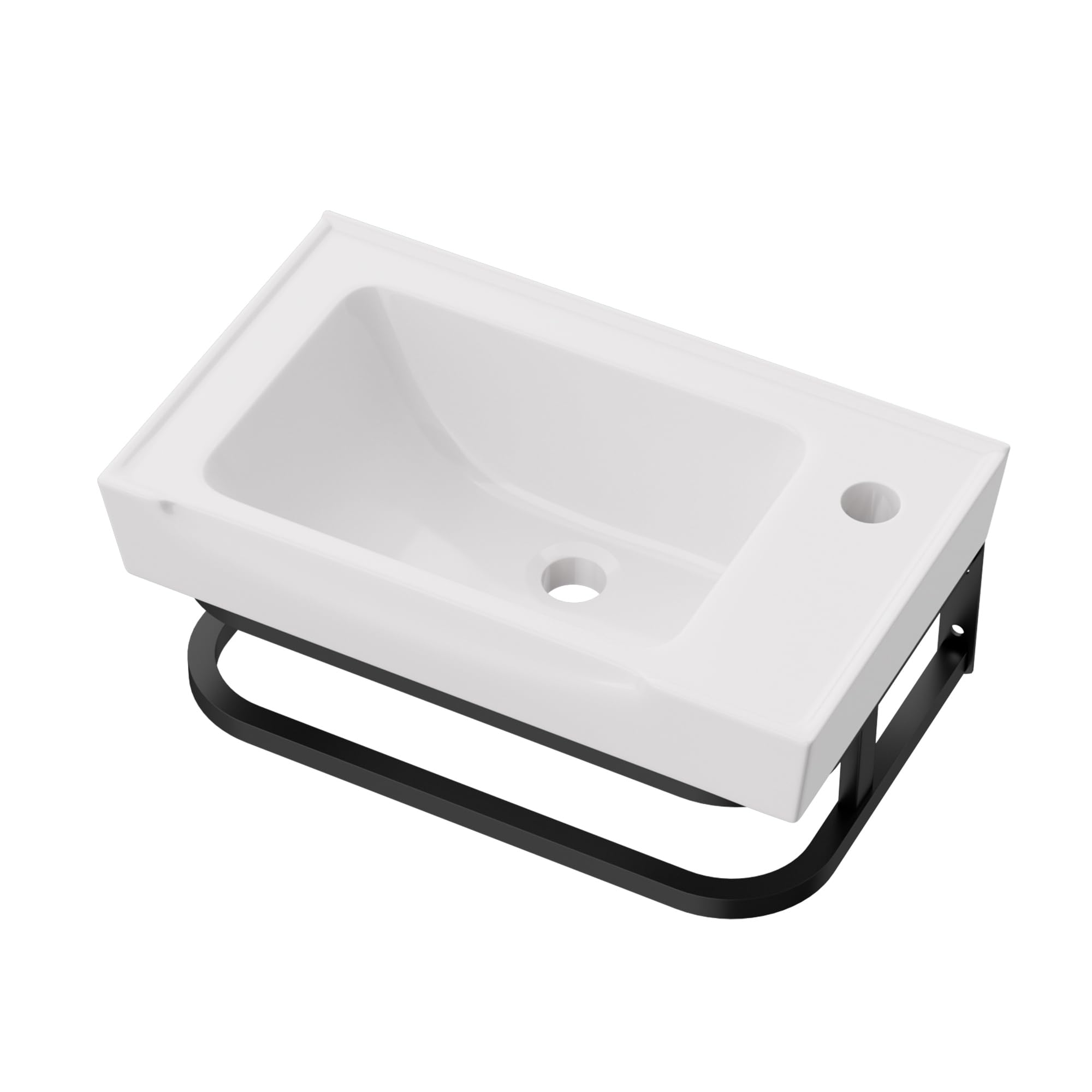
- Lordear Wall Mounted Sink – a compact black porcelain sink with an integrated towel rack, ideal for small bathrooms.
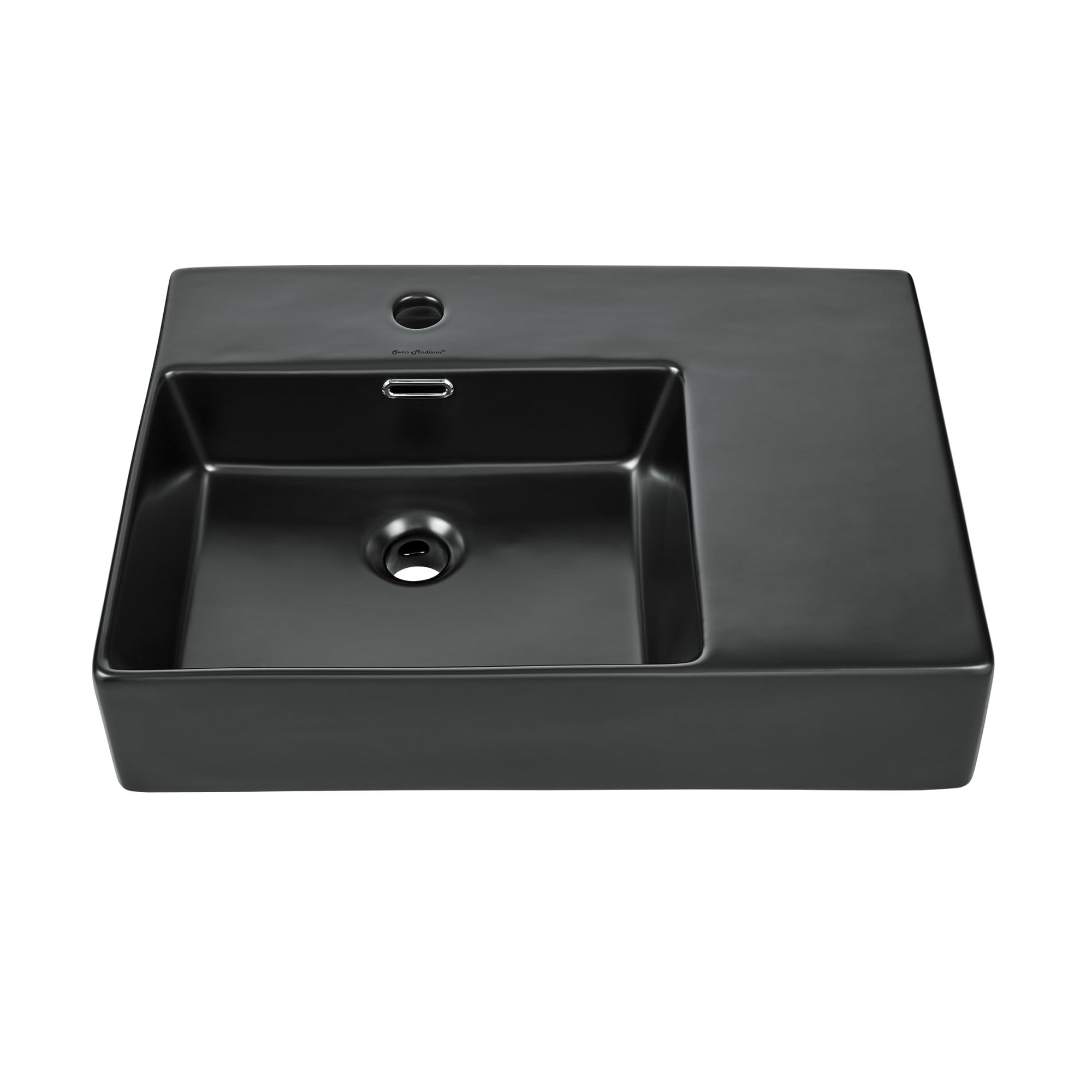
- Swiss Madison St. Tropez Sink – a matte‑black ceramic wall hung sink with a single faucet hole and durable non‑porous glaze.
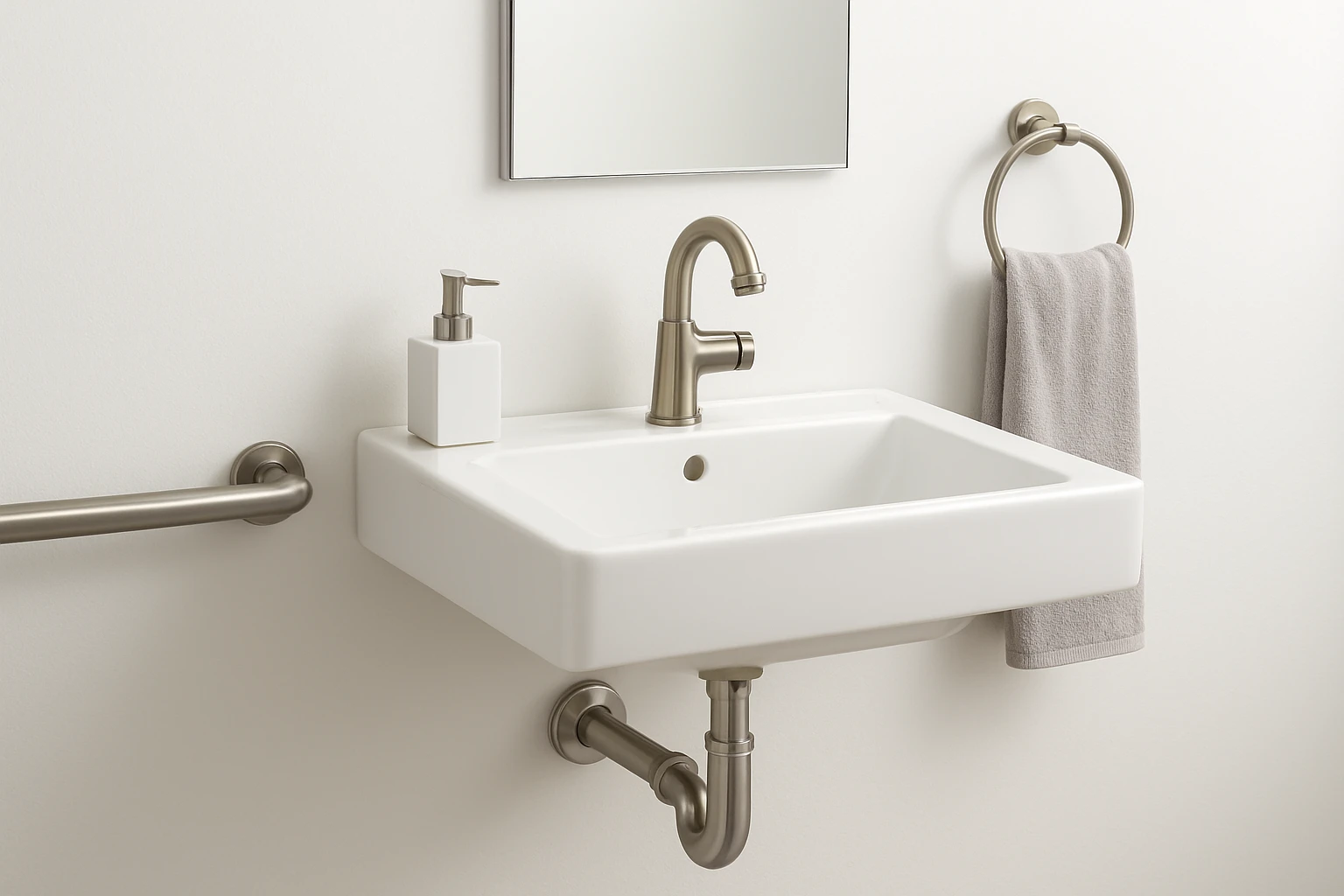
- Scarabeo Rectangular Wall Sink – a high‑end white ceramic sink with overflow and ADA compliance.
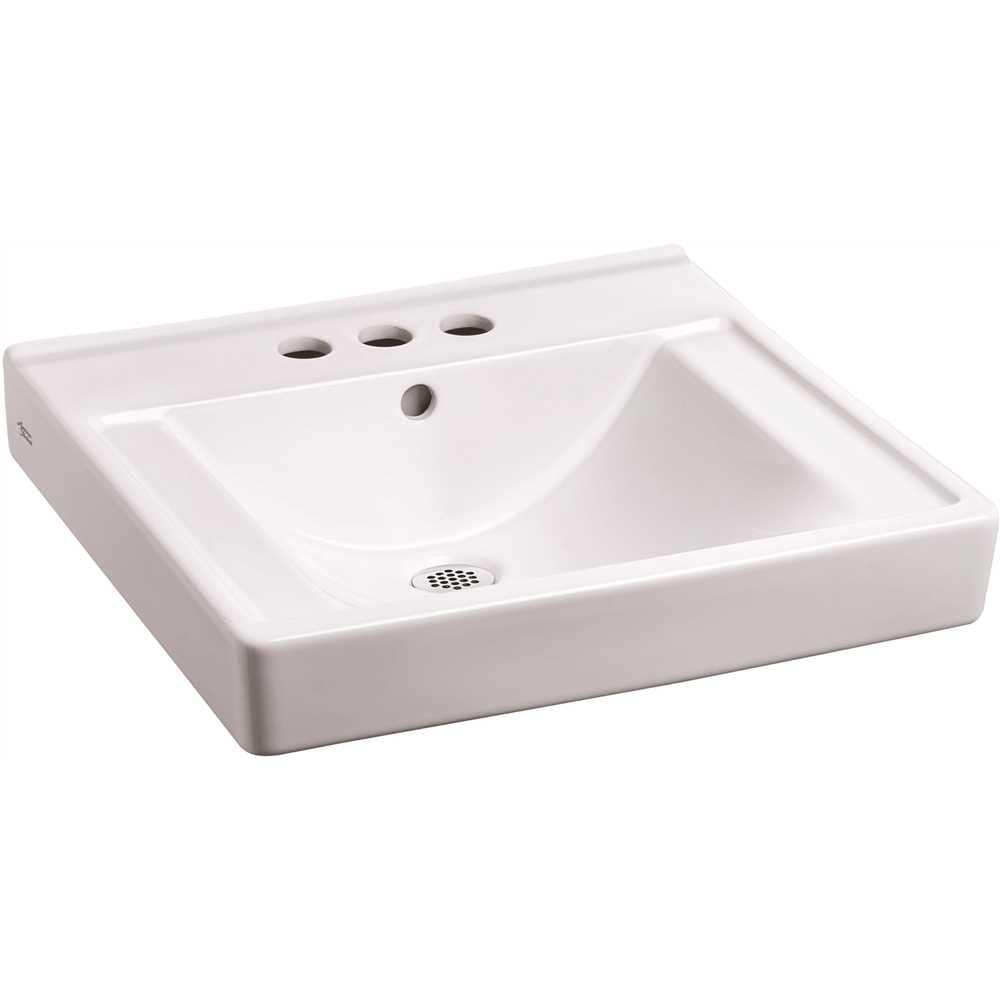
- American Standard Decorum Sink – a vitreous‑china wall‑hung sink featuring EverClean surface technology.
Lordear Wall Mounted Sink
The Lordear model measures 20 inches by 11 inches and includes a 1‑3/4 inch drain. Its compact footprint makes it suitable for half baths, cloakrooms, and powder rooms where space is limited. The integrated towel rack reduces the need for additional hardware, preserving the clean lines of a modern bathroom. Priced at $119.99, it offers an affordable entry point for homeowners seeking an ADA‑friendly solution without sacrificing style.
Swiss Madison St. Tropez Sink
This matte‑black sink measures 24 inches by 18 inches and features a single 1‑3/8 inch faucet hole, simplifying faucet selection. The ceramic construction is non‑porous and scratch‑resistant, ensuring long‑term durability in high‑traffic environments. With a price of $124.99 and a rating of 4 out of 5 stars from 37 reviews, it balances cost and quality effectively.
Scarabeo Rectangular Wall Sink
The Scarabeo sink offers a larger footprint of 30 inches by 18 inches, providing ample countertop space for personal care items. Constructed from high‑quality white ceramic, it includes an overflow and self‑rimming design that reduces the likelihood of water damage. At $459.99 and a 4.7‑star rating from 34 reviews, it represents a premium option for homeowners prioritizing aesthetics and compliance.
American Standard Decorum Sink
American Standard’s Decorum model measures 20 inches by 18 inches and utilizes vitreous china with an EverClean surface that resists grime buildup. The sink is available with rear or minimal overflow configurations, allowing flexibility in plumbing layouts. Priced at $188.99 with a 4.2‑star rating from nine reviews, it offers a mid‑range solution that emphasizes hygiene and ADA compliance.
Comparison and Selection Guide
| Feature | Lordear | Swiss Madison | Scarabeo | American Standard |
|---|---|---|---|---|
| Dimensions (W×H) | 20"×11" | 24"×18" | 30"×18" | 20"×18" |
| Material | Porcelain with crystalline glaze | Non‑porous ceramic | White ceramic | Vitreous china |
| Integrated Towel Rack | Yes | No | No | No |
| Faucet Hole Count | One | One (pre‑drilled) | One | One |
| ADA Compliance | Yes | Yes | Yes | Yes |
| Price | $119.99 | $124.99 | $459.99 | $188.99 |
| Average Rating | N/A | 4/5 (37 reviews) | 4.7/5 (34 reviews) | 4.2/5 (9 reviews) |
Homeowners with limited floor space may prefer the Lordear sink for its integrated towel rack and minimal footprint. Those seeking a bold visual statement might select the Swiss Madison model for its matte‑black finish. For larger bathrooms where countertop space is paramount, the Scarabeo sink delivers generous dimensions and a high‑grade finish. The American Standard Decorum sink offers a balance of hygiene‑focused surface treatment and moderate pricing.
Best Practices & Tips for ADA‑Compliant Installation
- Verify clear floor space: Ensure a minimum of 30 inches by 48 inches of unobstructed area in front of the sink.
- Measure mounting height: Position the rim of the sink no higher than 34 inches from the finished floor to meet ADA standards.
- Use lever‑style faucets: Lever handles require less grip strength and are easier for users with limited dexterity.
- Install grab bars: Place a sturdy grab bar within 18 inches of the sink to assist users when standing or sitting.
- Seal all joints: Apply a high‑quality silicone sealant around the mounting flange to prevent water infiltration.
- Consider overflow placement: An overflow located on the left side aligns with most user habits and reduces the risk of water spilling onto the floor.
- Test for reachability: After installation, confirm that the faucet and soap dispenser can be reached with a forward reach of 48 inches.
Following these guidelines minimizes the need for future adjustments and ensures that the bathroom remains safe for all occupants. When in doubt, consult local building codes or a certified accessibility consultant to verify compliance.
Frequently Asked Questions
What is the minimum sink height for ADA compliance?
The sink rim must not exceed 34 inches measured from the finished floor, allowing wheelchair users to approach comfortably.
Can I retrofit an existing sink to become ADA‑compliant?
Yes, by adding a wall‑mounted countertop, extending faucet levers, and ensuring adequate knee clearance, many existing sinks can be upgraded without full replacement.
Do I need a professional plumber for wall‑mounted sinks?
While a skilled DIYer can complete the installation, a licensed plumber ensures that water supply lines and drainage meet local codes, especially when modifying existing plumbing.
How does the EverClean surface on the American Standard sink work?
EverClean incorporates an antimicrobial coating that inhibits the growth of mold, mildew, and bacteria, reducing the frequency of deep cleaning.
Are matte‑black sinks more prone to showing water spots?
Matte finishes tend to conceal minor water spots better than glossy surfaces, but regular wiping with a soft cloth maintains optimal appearance.
What warranty coverage do these products typically offer?
Most manufacturers provide a limited warranty ranging from one to five years covering defects in material and workmanship; buyers should review the specific terms on the product page.
Conclusion
ADA‑compliant bathroom sinks enhance independence and safety for individuals with mobility challenges while preserving the aesthetic integrity of the home. By understanding key specifications, evaluating product options, and following best‑practice installation steps, homeowners can achieve compliance without excessive expense. Whether selecting the budget‑friendly Lordear sink or the premium Scarabeo model, the essential goal remains the same: a functional, accessible, and inviting bathroom environment.
Products Featured in This Guide
Lordear Wall Mounted Sink
Price: $119.99
Rating: Not listed
Featured for its compact dimensions, integrated towel rack, and affordability, making it ideal for small ADA‑compliant bathrooms.
Swiss Madison St. Tropez Sink
Price: $124.99
Rating: 4/5 (37 reviews)
Featured for its durable non‑porous ceramic, sleek matte‑black finish, and straightforward single‑hole faucet configuration.
Scarabeo Rectangular Wall Sink
Price: $459.99
Rating: 4.7/5 (34 reviews)
Featured for its premium white ceramic construction, overflow feature, and generous countertop space suitable for larger ADA‑compliant bathrooms.
American Standard Decorum Sink
Price: $188.99
Rating: 4.2/5 (9 reviews)
Featured for its EverClean surface that resists grime, vitreous‑china durability, and compliance with both ADA and TAS standards.