Introduction
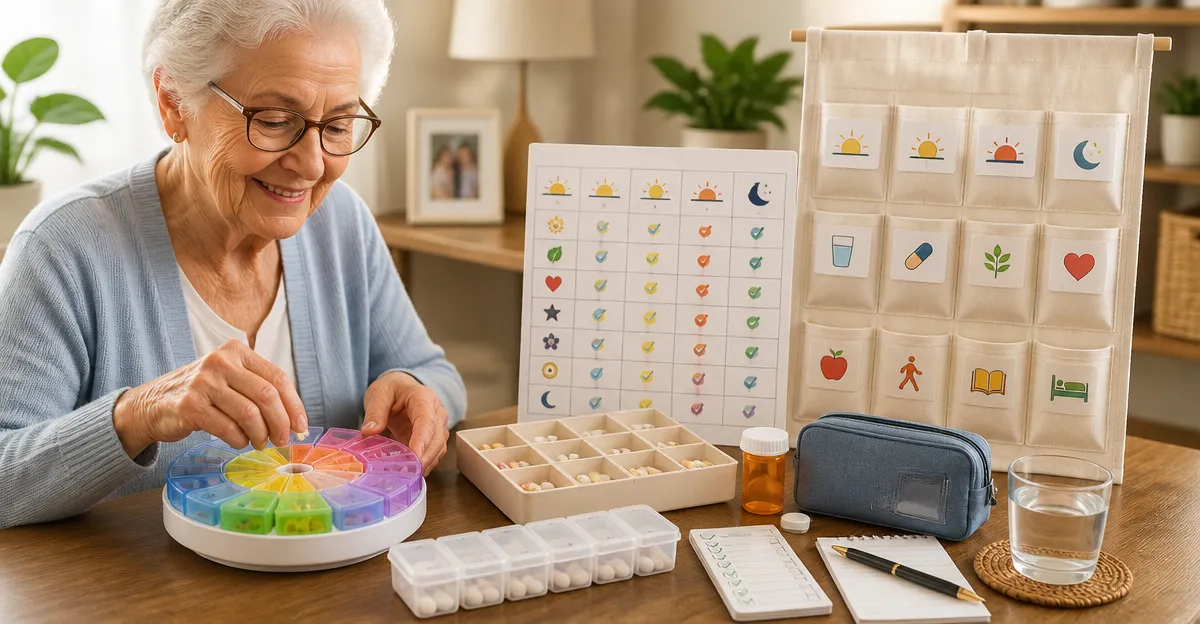
Managing multiple prescriptions can be overwhelming for seniors, especially when memory lapses or limited dexterity are factors. While smartphone alarms and digital dispensers are popular, many older adults prefer simple, reliable tools that do not rely on batteries or complex interfaces. Low‑tech reminder systems provide tactile feedback, visual cues, and a sense of control that aligns with everyday routines.
Choosing the right non‑electronic solution means balancing portability, ease of use, and durability. The following list presents fifteen practical approaches, each illustrated with a real product available on Amazon. By integrating these tools into daily habits, seniors can reduce missed doses, maintain independence, and support overall health.
-
Daily 4‑Time Pill Organizer
A dedicated compartment for morning, noon, evening, and bedtime eliminates confusion about when to take each medication. The Odaro 7-Day Pill Organizer offers 28 airtight slots—four per day for a full week. Priced at $7.97 and boasting a 4.8‑star rating from 8,478 reviewers, it combines colorful design with a moisture‑proof seal. One reviewer praised, “The compartments are spacious enough for my fish oils and still easy to open with arthritis.”
Because the organizer is BPA‑free and built with durable 3D‑printed labels, it withstands over 5,000 opening cycles, making it a long‑term investment for seniors who travel or need a compact daily supply.
-
AM/PM Weekly Pill Box
For seniors who prefer a once‑a‑week refill, the Sukuos 7-Day AM/PM Pill Organizer separates morning and evening doses with clear icons. At $9.99 and a 4.8‑star rating from 49,674 reviews, it provides large compartments that hold up to six fish oils or fourteen capsules each. A user noted, “The indented flap opens smoothly, and the lid stays tight even when I drop it in my bag.”
The silkscreen printing resists wear after 20,000 open‑close cycles, ensuring the labeling remains legible for years—an essential feature for seniors who may rely on visual cues.
-
Monthly Pill Planner
When a full month’s medication schedule is needed, the Zoksi 30-Day Monthly Pill Organizer offers 31 numbered compartments plus a “smile” slot for occasional extra pills. Priced in Canadian dollars at CAD14.18 and rated 4.8 stars by 3,979 reviewers, it holds five fish oils or ten capsules per slot. A reviewer commented, “The pink translucent compartments make it easy to see whether I have taken my dose.”
Its side‑to‑side opening mechanism produces a satisfying three‑click sound, giving an audible confirmation that the box is securely closed—a subtle yet valuable reminder for users with limited sight.
-
Travel‑Friendly Daily Pocket Box
For seniors who attend appointments or travel frequently, a lightweight single‑day supply is crucial. The Odaro organizer’s compact size fits easily into a pocket or purse, allowing one day’s compartments to be carried separately. This reduces bulk while ensuring medication is always within reach.
Its airtight compartments keep pills fresh for the entire week, and the bright colors help distinguish each day at a glance.
-
Visible Calendar with Sticker System
Pair a wall‑mounted monthly calendar with colored stickers that correspond to medication times. Seniors can place a sticker on each day after taking their dose, creating a visual record. This method works well alongside the Zoksi monthly organizer, reinforcing the habit of checking both the calendar and the pill box.
Because no electronics are involved, the system remains functional even during power outages.
-
Weekly Planner Notebook
A simple lined notebook divided into seven columns—one for each day—allows seniors to jot down medication names, dosages, and times. By reviewing the notebook each morning, they can cross‑reference with the Sukuos AM/PM organizer, ensuring that each compartment matches the written plan.
Writing the information reinforces memory through the act of physically recording the schedule.
-
Color‑Coded Pill Bags
Reusable zip‑top bags in distinct colors (e.g., red for morning, blue for evening) can be pre‑filled each week. Seniors place the bags in a designated drawer, and the color cue serves as an immediate reminder. When combined with the Sukuos organizer’s AM/PM icons, the system offers double reinforcement.
The bags are inexpensive, washable, and can be labeled with a permanent marker for added clarity.
-
Magnetic Fridge Reminder Strip
A thin magnetic strip placed on the refrigerator can hold a small whiteboard or sticky notes. Seniors write the medication time for each day, then erase after taking the dose. The visual presence on a frequently visited surface makes forgetting unlikely.
Pairing the strip with the Odaro organizer’s daily compartments creates a synchronized visual‑tactile system.
-
Daily Pill Tray with Labels
A flat tray divided into four labeled sections (Morning, Noon, Evening, Bedtime) provides a quick reference point on a bedside table. Seniors can dump the contents of the Odaro daily compartment onto the tray each morning, then move the empty sections to the side as doses are taken.
This method reduces the need to open multiple small compartments and offers a larger surface for those with limited dexterity.
-
String‑And‑Bead Reminder
Using a simple string with colored beads, seniors can move a bead from one end to the other after each dose. Each bead color represents a specific time of day. The tactile motion serves as a physical cue, especially helpful for users with visual impairments.
When paired with the weekly Sukuos organizer, the bead system provides a portable backup reminder.
-
Medication Log Sheet
A printed log sheet with rows for date, medication name, dosage, and checkboxes allows seniors to record each intake. Over time, the log reveals patterns and highlights missed doses, encouraging accountability. The log can be kept beside the Zoksi monthly organizer for quick reference.
Healthcare providers often request such logs, making this both a reminder tool and a communication aid.
-
Rubber Band Wrist Reminder
A soft rubber band worn on the wrist can be slipped off after taking medication, providing a subtle physical reminder throughout the day. Seniors can associate the act of removing the band with the completion of a dose.
Combine this with the daily compartments of the Odaro organizer for a two‑step confirmation process.
-
Weekly Meal‑Prep Box
Integrate medication into a weekly meal‑prep routine by placing pills in small, labeled containers alongside prepared meals. This aligns medication times with eating times, reducing the chance of omission. The Sukuos AM/PM organizer’s clear icons make it easy to match pills with breakfast or dinner containers.
Such integration is especially helpful for seniors who already follow a structured meal plan.
-
Door‑Hanger Reminder Card
A laminated card hung on the bedroom or bathroom door lists medication times. Seniors glance at the card each morning and night, reinforcing the schedule. The card can be customized with large fonts for easy reading.
When used with the Odaro daily compartments, the card serves as a visual checklist before opening the box.
-
Family Check‑In System
Enlist a trusted family member or caregiver to call or visit at specific times to confirm medication intake. This human element adds accountability and provides an opportunity to address any side‑effects promptly. The caregiver can also verify that the Zoksi monthly organizer remains properly sealed.
Regular check‑ins foster social connection while supporting health management.
Comparison of Featured Pill Organizers
| Product | Price | Rating | Compartment Layout | Key Strength |
|---|---|---|---|---|
| Odaro 7-Day Pill Organizer | $7.97 | 4.8/5 (8,478 reviews) | 4 per day × 7 days = 28 | Compact travel‑friendly design, moisture‑proof |
| Sukuos 7-Day AM/PM Pill Organizer | $9.99 | 4.8/5 (49,674 reviews) | 2 per day × 7 days = 14 | Clear AM/PM icons, durable silkscreen |
| Zoksi 30-Day Monthly Pill Organizer | CAD14.18 | 4.8/5 (3,979 reviews) | 31 daily slots + 1 extra | Monthly overview, easy‑track numbers |
Conclusion
Non‑electronic medication reminder systems empower seniors to maintain consistent dosing without relying on batteries or complex gadgets. By selecting a suitable pill organizer—whether the daily Odaro, the AM/PM Sukuos, or the monthly Zoksi—and pairing it with visual aids, tactile cues, and supportive routines, seniors can build a resilient medication management habit. The strategies outlined above are adaptable, affordable, and proven by thousands of satisfied users.
Implementing at least two of these low‑tech methods creates redundancy, reducing the likelihood of missed doses and enhancing overall well‑being. Seniors, caregivers, and families should evaluate personal preferences, daily schedules, and mobility needs to choose the combination that works best.
Products Mentioned in This Article
Frequently Asked Questions
What are low‑tech medication reminder systems for seniors?
They are non‑electronic tools such as pill organizers, charts, and timers that use visual or tactile cues to signal when to take medication.
How do daily pill organizers help prevent missed doses?
By providing separate compartments for each dosing time, they give a clear visual cue and reduce confusion about which pills have been taken.
What features should I look for in a non‑electronic reminder tool?
Choose durable, airtight compartments, easy‑to‑open lids, clear labeling, and a size that fits the senior’s daily routine and mobility.
Are low‑tech reminder systems suitable for seniors with limited dexterity?
Yes; many designs include large tabs, flip‑top lids, or magnetic closures that require minimal hand strength.
How can I integrate a low‑tech reminder system into my daily routine?
Place the organizer in a visible spot near a regular activity (like meals) and pair each compartment with a simple habit, such as brushing teeth, to reinforce consistency.